
Trusts Lawyers in Montgomery
Retaining an experienced trusts lawyer in Montgomery ensures your family wealth and real estate assets are protected under the Alabama Uniform Trust Code. Skilled trust attorneys draft revocable living trusts, special needs trusts, and irrevocable instruments that bypass costly probate delays in Montgomery County. Explore our directory below to connect with vetted Montgomery trust lawyers today.

Argo | Hughes | Alfreds, LLC - Montgomery, AL
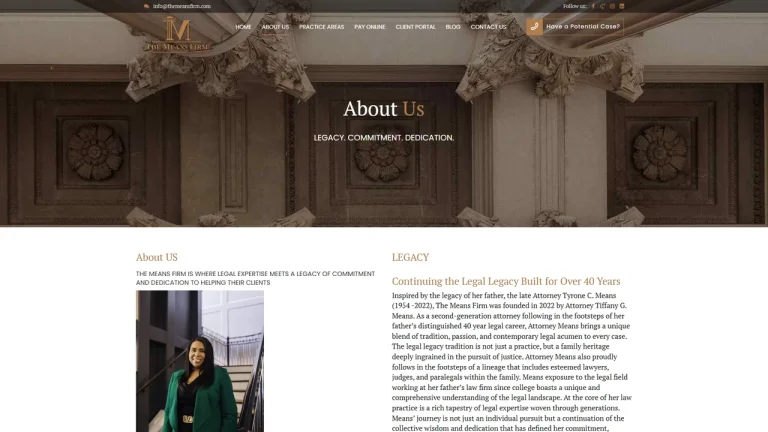
The Means Firm - Montgomery, AL

Leavell & Associates, Attorneys At Law, LLC - Montgomery, AL

Sage Legacy Counsel - Montgomery, AL

Paul D. Esco Attorney At Law LLC - Montgomery, AL

LC Legal Services, LLC - Montgomery, AL

James E Wilson Jr Law Office - Montgomery, AL

Roper and Wilson Attorneys at Law - Montgomery, AL

Senior Law Solutions, LLC - Montgomery, AL

Navigating Trust Administration & Fiduciary Law in Montgomery, Alabama
Montgomery serves as the epicenter of Alabama government and state jurisprudence. As the state capital, the city is home to generations of families, public officials, business leaders, and landowners holding substantial assets across Old Cloverdale, the Garden District, and the expanding corridors of East Montgomery and Pike Road. Protecting generational wealth, managing commercial landholdings, and ensuring seamless fiduciary succession requires thorough trust structuring executed in strict compliance with Alabama law.
Trust governance throughout the state is anchored by the Alabama Uniform Trust Code codified at Ala. Code § 19-3B-101. While trusts are inherently private arrangements designed to avoid public court supervision, legal disputes over trust interpretation, trustee compliance, or asset distributions fall under the jurisdiction of local courts. The Montgomery County Probate Court, located within the Montgomery County Courthouse at 100 S Lawrence Street in downtown Montgomery, oversees matters touching decedent estates and conservatorships. However, substantive trust actions-including petitions for judicial trust modification under Ala. Code § 19-3B-411 or trustee removal under Ala. Code § 19-3B-706-are adjudicated in the Montgomery County Circuit Court (15th Judicial Circuit).
Engaging a trusts attorney practicing in Montgomery ensures your instruments are tailored to local judicial scrutiny. Local counsel coordinates directly with the Montgomery County Tax Assessor and Probate Judge to re-title real estate into trust ownership, draft robust spendthrift provisions under Ala. Code § 19-3B-502, and safeguard your beneficiaries from preventable legal disputes.
Montgomery Trust Legal Services & Fee Overview
| Case Scenario | Fee Structure | Estimated Cost (USD) | Key Cost Determinants |
|---|---|---|---|
| Revocable Living Trust Package | Flat Fee | $1,500 - $3,500 | Number of real estate deeds to transfer, pour-over will drafting, and complexity of distribution schedules. |
| Irrevocable Asset Protection or Medicaid Trust | Flat Fee | $3,000 - $7,000 | Look-back period compliance, tax implications, retained interest restrictions, and independent trustee provisions. |
| Special Needs Trust (First-Party or Third-Party) | Flat Fee | $2,000 - $4,500 | Preservation of Medicaid and SSI eligibility, payback clause structuring, and institutional trustee selection. |
| Trust Breach of Fiduciary Duty Litigation | Hourly / Retainer | $10,000 - $50,000+ | Forensic financial auditing, discovery volume, trustee accounting challenges, and trial duration in Circuit Court. |
Critical Legal Deadlines & Statutes in Alabama
Trust administration in Alabama operates under specific statutory limitation periods that both trustees and beneficiaries must observe. Under Ala. Code § 19-3B-1005(a), a beneficiary must initiate a legal proceeding against a trustee for breach of trust within one year after the beneficiary received a report that adequately disclosed the existence of a potential claim. If no adequate report or accounting is furnished, claims are subject to a five-year limitation period from the date of the breach under Ala. Code § 19-3B-1005(c).
For individuals contesting the validity of a revocable trust following the settlor's death, strict time limits apply under Ala. Code § 19-3B-604. A contest proceeding must be commenced within the earlier of two years after the settlor's death or 120 days after the trustee sent the individual written notice containing trust information and notice of the time allowed for initiating a proceeding.
Furthermore, under Alabama law, the age of legal majority is 19 years old pursuant to Ala. Code § 26-1-1. Settlors designing trusts for minor beneficiaries in Montgomery must recognize that statutory custodial protections and legal adult rights attach at age 19, making precise termination or staged distribution ages (such as 25 or 30) vital within the trust agreement.
Small Claims Limitations vs. Formal Trust Representation
The Small Claims Division of the Montgomery County District Court is subject to a strict jurisdictional ceiling of $6,000 under Ala. Code § 12-12-31. While suitable for recovering minor contractual debts under $6,000, small claims courts have no equity jurisdiction and cannot interpret trust instruments, enforce fiduciary duties, or oversee the transfer of real estate.
Trust governance involves equitable remedies that fall squarely within the general jurisdiction of the Montgomery County Circuit Court. Actions seeking to remove a trustee under Ala. Code § 19-3B-706, resolve ambiguous trust terms, or modify an irrevocable trust require formal pleadings governed by the Alabama Rules of Civil Procedure. Retaining a trusts attorney admitted to the Alabama State Bar ensures that trust assets remain insulated from creditor execution and that complex fiduciary duties are carried out without triggering judicial intervention.
Red Flags & Trust Planning Safeguards
- The Unfunded Trust Trap: Creating trust documents without deeding your Montgomery County real property into the trust leaves assets exposed to probate administration upon your death.
- Standardized Document Mills: Utilizing non-lawyer online templates that fail to conform to the Alabama Uniform Trust Code often results in ambiguous language and unintended tax consequences.
- Failure to Provide Annual Accountings: Trustees who fail to maintain complete financial records and refuse to provide annual accountings to qualified beneficiaries violate their statutory duty under Ala. Code § 19-3B-813.
- Overlooking Alabama's Age of Majority: Drafting distribution provisions based on the assumption that adulthood begins at age 18 conflicts with Alabama's statutory age of 19 under Ala. Code § 26-1-1.
Frequently Asked Questions
What is the main benefit of a revocable living trust in Montgomery?
The primary benefit of a revocable living trust is that assets titled in the name of the trust pass directly to your designated beneficiaries without going through the Montgomery County Probate Court. This ensures complete privacy, eliminates court filing fees, and provides immediate management continuity if you become incapacitated.
Does a trust protect assets from creditors in Alabama?
A revocable living trust does not protect your assets from your personal creditors during your lifetime because you maintain full control over the trust property under Ala. Code § 19-3B-505. However, an properly structured irrevocable trust containing a valid spendthrift provision under Ala. Code § 19-3B-502 can protect assets for third-party beneficiaries.
Which court in Montgomery handles trust lawsuits?
Lawsuits involving trust modification, trustee breach of fiduciary duty, or trust interpretation are heard in the Montgomery County Circuit Court (15th Judicial Circuit), located at the Montgomery County Courthouse in downtown Montgomery.
How does an irrevocable special needs trust work in Alabama?
A special needs trust holds funds for a person with disabilities to pay for supplemental expenses not covered by government benefits without disqualifying them from Medicaid or Supplemental Security Income (SSI). The trustee manages disbursements directly to ensure statutory resource limits are never breached.
Can a trust be modified after the grantor dies in Alabama?
Yes. Under Ala. Code § 19-3B-411, an irrevocable trust may be modified or terminated with the consent of all beneficiaries if a court finds that the modification is not inconsistent with a material purpose of the trust, or under court order if unanticipated circumstances arise under Ala. Code § 19-3B-412.