
Top-Rated Lawyers in the United States
Retaining an experienced attorney in the United States ensures your interests are protected under strict federal and state procedural deadlines. Qualified legal counsel frequently resolves complex disputes through negotiation and mediation, avoiding prolonged courtroom litigation. Explore our nationwide directory below to connect with verified attorneys across all legal practice areas.
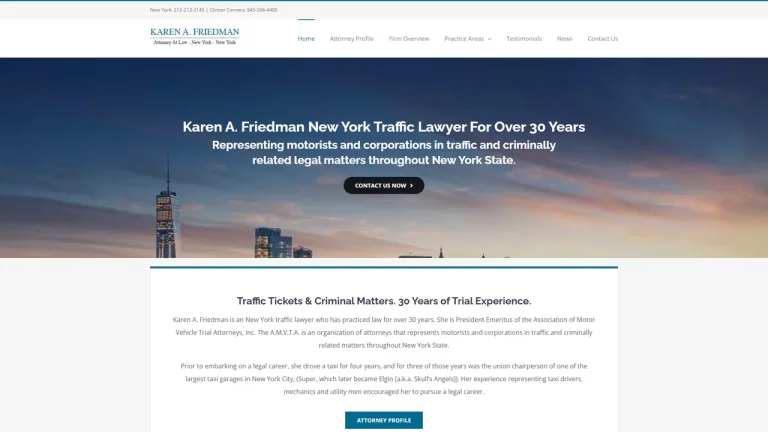
Karen A. Friedman, New York Traffic Lawyer - NYC, New York

Attorney Leonard McCall - Richmond, VA

Grande & Vaziri Law Inc - Providence, RI
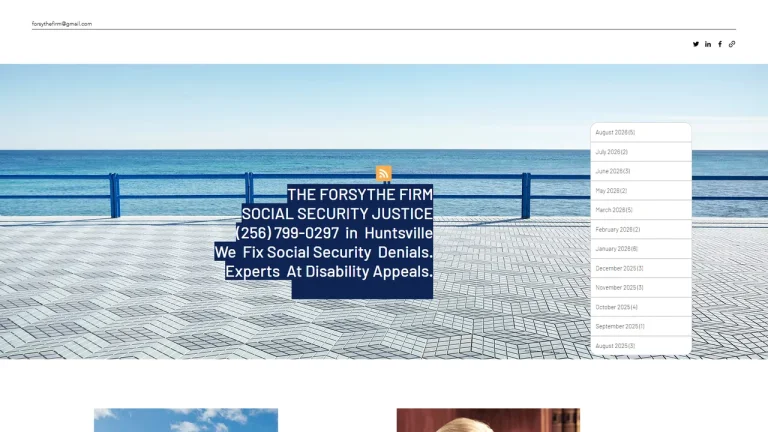
Charles W. Forsythe - Huntsville, AL

El Dabe Ritter Trial Lawyers - Los Angeles, CA
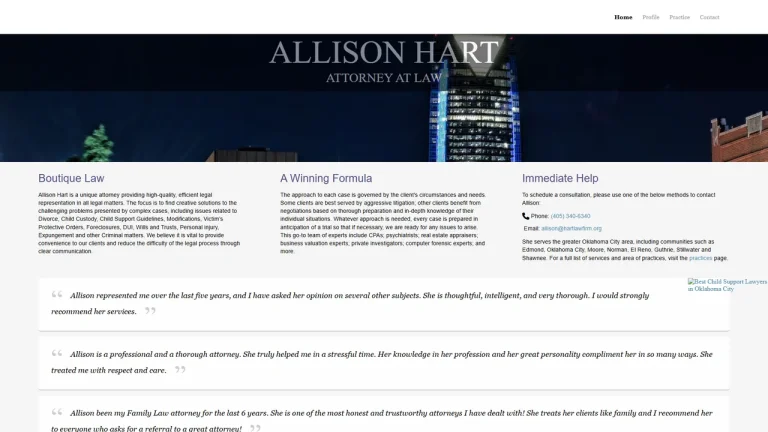
Allison Hart, P.C. - Oklahoma City, OK

Northwest Debt Resolution, LLC - Bellevue, WA

Benjamin A. Neil, Esq. - Baltimore, MD

Lancaster County Public Defender - Lincoln, NE

J. Allen Brown - Nashville, TN
Pittman & Pittman Law Offices - Madison, WI
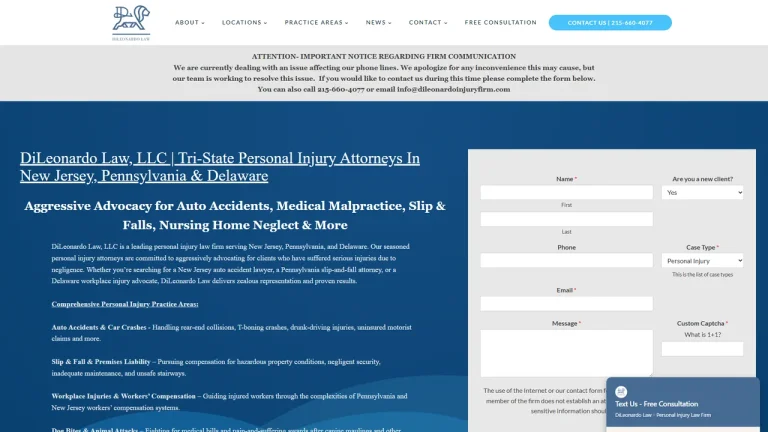
DiLeonardo Law - Wilmington, DE
Caroline Labib Doss - Jersey City, NJ
The Law Offices of Curt Sanchez, P.A. - West Palm Beach, FL

Johnson Tax Law P.C. - St Paul, MN

Law Offices of Blake Fulton Quackenbush - Vancouver, WA
Oscar E. Rodriguez Attorney - Cleveland, OH

Space City Law Firm - Houston, TX
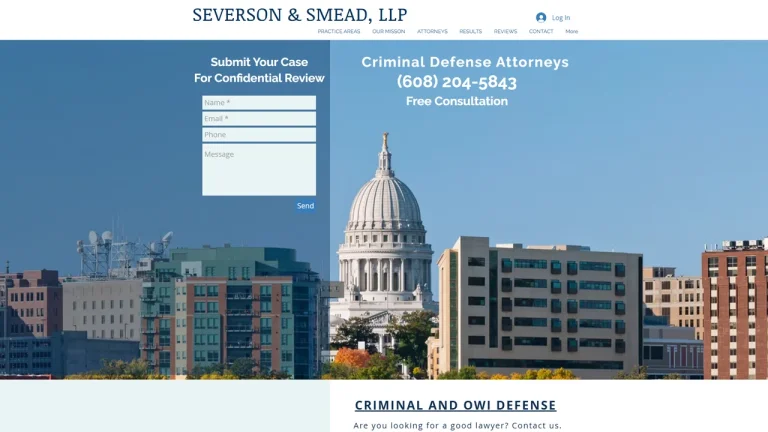
Severson & Smead, LLP - Madison, WI

Joel K. Mitchell, Attorney-at-Law - Tulsa, OK
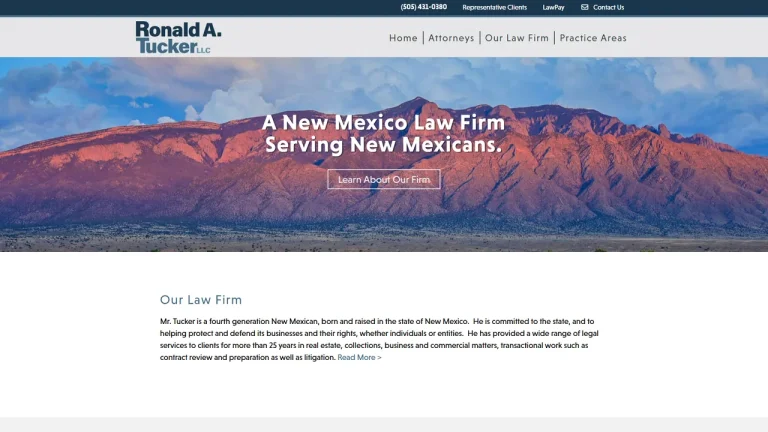
Ron Tucker Law - Albuquerque, NM

The Law Offices of Levitt and Kazan - Newark, NJ

Zaltzberg Law - NYC, New York

Navigating the American Legal System & Professional Representation
The legal system of the United States operates on a dual-sovereignty framework dividing authority between federal courts and state court systems across all fifty states and territories. Federal courts handle constitutional questions, interstate disputes, and federal statutory violations, while state circuit, superior, and district courts manage family law, probate, real estate, and local criminal proceedings.
Every practicing attorney in the United States must be licensed by the mandatory state bar association or state supreme court of their practicing jurisdiction. Legal representation requires deep familiarity with local court rules, procedural discovery mandates, and judicial standing requirements.
Retaining qualified legal counsel provides immediate protection of statutory rights. Skilled litigators prioritize pre-trial dispute resolution through structured mediation, out-of-court settlement negotiations, and binding arbitration, which significantly reduces financial exposure and resolves conflicts efficiently before trial.
Legal Fee Structures, Average Costs & Pricing Factors
| Case Scenario | Fee Structure | Estimated Cost (USD) | Key Cost Determinants |
|---|---|---|---|
| Uncontested Domestic or Estate Matter | Flat Fee or Hourly Billing | $1,500 - $3,500 flat / $250 - $450/hr | Document complexity, asset valuation, municipal filing fees |
| Contested Civil / Commercial Litigation | Retainer & Hourly Billing | $5,000 - $25,000+ retainer ($350 - $750/hr) | Motion practice, discovery scope, expert witnesses, trial length |
| Personal Injury / Wrongful Death | Contingency Fee Basis | 33.3% - 40% of gross recovery ($0 upfront) | Liability clarity, medical liens, trial vs. settlement timing |
| Specialized Federal Administrative / Defense | Hybrid Retainer / Hourly | $7,500 - $30,000+ retainer ($450 - $900/hr) | Federal agency involvement, indictment stage, sentencing exposure |
Critical Legal Deadlines & Statutes in the United States
Litigation in the United States is strictly bound by procedural limitation periods. Under federal statutory law, 28 U.S. Code § 1658 establishes a default 4-year statute of limitations for civil actions arising under federal statutes enacted after December 1, 1990, unless a specific statutory timetable is otherwise designated.
In civil rights actions initiated under 42 U.S. Code § 1983, federal courts borrow the personal injury statute of limitations of the state where the action arises, commonly ranging from 1 to 3 years. Pleading deadlines in federal court are strictly enforced under Fed. R. Civ. P. 12(a)(1), which mandates that a defendant serve a written answer or motion within 21 calendar days of service (or 60 days if the defendant is the United States or a federal agency).
Appellate deadlines are strictly jurisdictional. Pursuant to Fed. R. App. P. 4(a)(1), a notice of appeal in a civil case must be filed within 30 days after entry of judgment, or within 60 days when the federal government is a party. Personal injury or property damage claims asserted against the federal government must comply with the Federal Tort Claims Act under 28 U.S. Code § 2401(b), requiring an administrative claim on Form SF-95 within 2 years of accrual, followed by a strict 6-month window to file suit in federal district court following an administrative denial.
Small Claims Court Limits vs. Professional Legal Counsel
Small claims courts across the United States operate under localized statutory monetary caps, generally ranging from $2,500 to $20,000 depending on the state and court jurisdiction. While self-represented (pro se) litigants frequently resolve minor disputes-such as unpaid security deposits, small property damages, or breach of informal contracts-in small claims courts, many jurisdictions restrict or discourage attorney appearance during initial hearings.
However, when a dispute exceeds small claims ceilings or involves complex legal matters, professional legal representation is indispensable. Crucially, under federal and state procedural rules, incorporated businesses and limited liability companies are legally barred from appearing pro se in courts of general jurisdiction and must retain licensed counsel. Retaining an attorney is also critical for matters involving complex liability discovery, constitutional claims, real property title defects, or potential criminal exposure.
Red Flags When Selecting an Attorney & Consumer Safety
- Guarantees of 100% case victory or specific monetary recoveries, which violate the American Bar Association (ABA) Model Rules of Professional Conduct and state legal ethics rules.
- Lack of a formal written fee agreement outlining billing rates, retainer replenishment terms, and responsibility for court costs and expert witness expenses.
- Attorneys lacking active standing or facing public disciplinary suspensions or disbarment proceedings before their licensing state bar association.
- Lawyers pushing for immediate, unexamined guilty pleas in criminal cases or rapid lowball settlements in injury matters without conducting thorough evidentiary discovery.
Frequently Asked Questions
How do legal fee structures work across the United States?
Attorneys in the United States primarily bill using hourly rates against an advance retainer, flat fees for standardized matters, or contingency fees for personal injury cases where the fee is a percentage of the financial recovery.
How can I verify that an attorney is licensed and in good standing?
You can verify an attorney's credentials, license status, admission date, and public disciplinary history by searching the official member directory of the relevant state bar association or state supreme court licensing portal.
What is the difference between federal court and state court litigation?
Federal courts have limited jurisdiction, adjudicating matters involving constitutional claims, federal laws, or disputes between citizens of different states involving more than $75,000, while state courts handle general civil, family, probate, and criminal law.
Can a corporation or LLC represent itself in court without an attorney?
No, across virtually all federal and state trial courts of general jurisdiction, artificial legal entities such as corporations and limited liability companies are legally required to appear through licensed counsel.
What is a contingency fee agreement?
A contingency fee agreement allows an attorney to represent a client with no upfront legal fees, taking an agreed-upon percentage (typically 33% to 40%) of the settlement or verdict only if the case is resolved successfully.