
Find a Lawyer in the United States
Find experienced, top-rated lawyers across the United States. Connect with verified attorneys to resolve legal disputes, protect your rights, and avoid court. Qualified legal counsel frequently resolves complex civil, commercial, and personal matters through negotiation and mediation, saving time and emotional stress. Explore our nationwide directory below to schedule a case review with trusted local counsel in your jurisdiction.

Karen A. Friedman, New York Traffic Lawyer - NYC, New York

Benjamin A. Neil, Esq. - Baltimore, MD

Attorney Leonard McCall - Richmond, VA

Grande & Vaziri Law Inc - Providence, RI
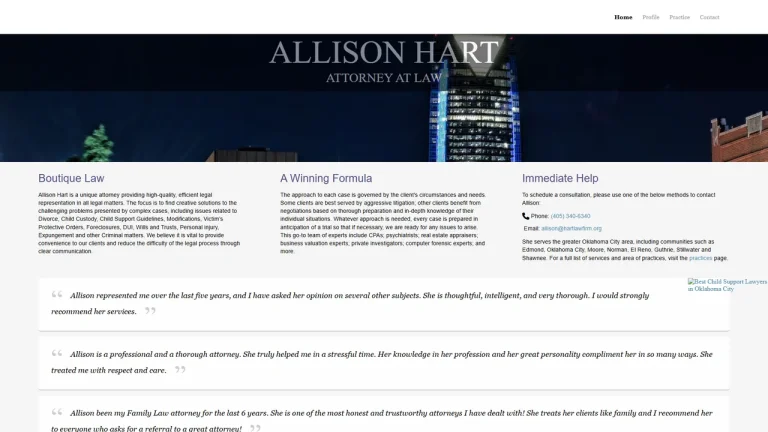
Allison Hart, P.C. - Oklahoma City, OK

J. Allen Brown - Nashville, TN
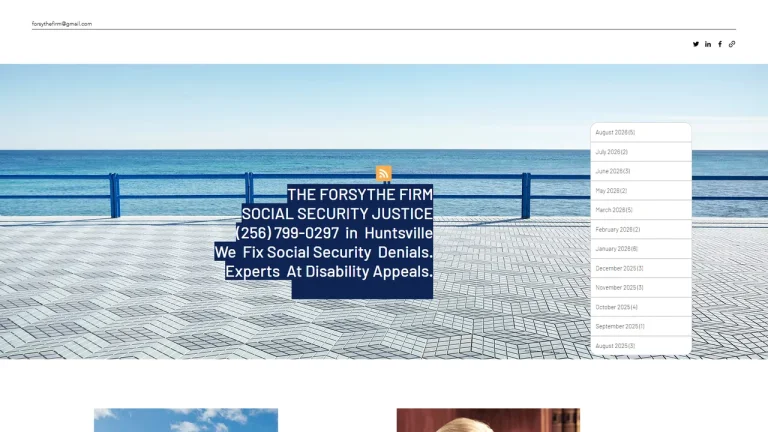
Charles W. Forsythe - Huntsville, AL

Lancaster County Public Defender - Lincoln, NE
Pittman & Pittman Law Offices - Madison, WI

Northwest Debt Resolution, LLC - Bellevue, WA
Caroline Labib Doss - Jersey City, NJ
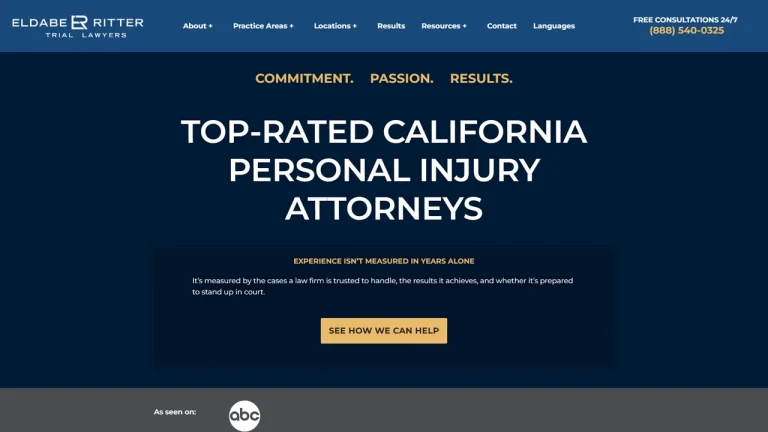
El Dabe Ritter Trial Lawyers - Los Angeles, CA
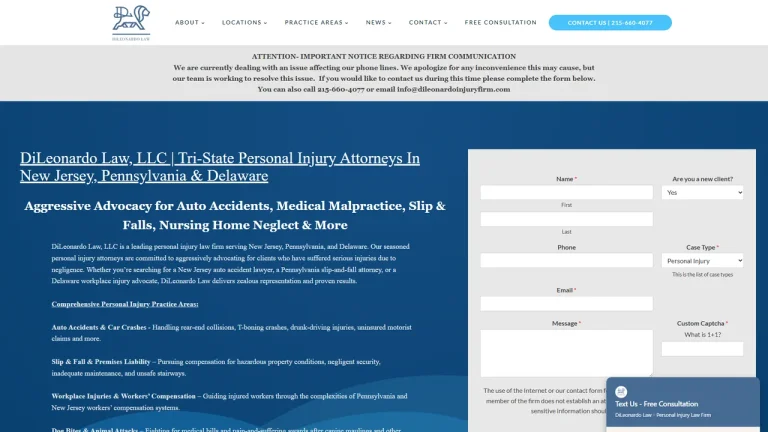
DiLeonardo Law - Wilmington, DE

The Law Offices of Levitt and Kazan - Newark, NJ

Space City Law Firm - Houston, TX
The Law Offices of Curt Sanchez, P.A. - West Palm Beach, FL

Joel K. Mitchell, Attorney-at-Law - Tulsa, OK
Ron Tucker Law - Albuquerque, NM
Johnson Tax Law P.C. - St Paul, MN

Law Offices of Blake Fulton Quackenbush - Vancouver, WA
Severson & Smead, LLP - Madison, WI
Oscar E. Rodriguez Attorney - Cleveland, OH

Kramer Injury Law LLC - Chicago, IL

Law Office of Vesper Gibbs Barnes & Associates, P.C. - Boston, MA
Navigating the Legal Profession & Attorney Selection in the United States
The American legal system is characterized by a dual judicial structure operating across all fifty states, the District of Columbia, and the federal court system. In the United States, the practice of law is regulated at the state level by State Supreme Courts and state bar licensing authorities, which enforce strict ethical codes rooted in the American Bar Association (ABA) Model Rules of Professional Conduct. Retaining a qualified local attorney admitted to practice in the specific jurisdiction where a dispute arises ensures adherence to unique state statutes, local court rules, and jurisdictional deadlines.
Legal representation provides essential protection across civil, corporate, family, and criminal law domains. Beyond courtroom trial litigation, skilled attorneys specialize in early alternative dispute resolution (ADR), employing strategic negotiation and formal mediation to resolve contentious disputes out of court. Effective pre-trial counsel often secures favorable settlements while avoiding the financial expense, public exposure, and emotional stress of protracted courtroom litigation.
Whether establishing a new business entity, resolving complex property distribution in domestic relations, recovering compensation following an accident, or defending against felony charges, choosing an attorney with focused subject-matter expertise is essential for protecting constitutional rights and financial assets.
Legal Fee Structures, Average Costs & Pricing Factors
| Case Scenario | Fee Structure | Estimated Cost (USD) | Key Cost Determinants |
|---|---|---|---|
| Uncontested Civil / Family Matter | Flat Fee | $1,500 - $3,500 | Document complexity, statutory filing fees, absence of disputes |
| Contested Civil / Commercial Litigation | Hourly Rate | $250 - $650 per hour | Discovery scope, deposition volume, expert witnesses, trial length |
| Personal Injury / Accident Claim | Contingency Fee | 33.3% - 40% of recovery | Settlement timing, case complexity, litigation costs, trial necessity |
| Specialized Felony Criminal Defense | Retainer + Flat / Hourly | $5,000 - $25,000+ | Severity of offense, forensic analysis, motions practice, trial preparation |
Critical Legal Deadlines & Statutes Across American Jurisdictions
Legal claims in the United States are governed by strict statutory deadlines known as statutes of limitations. These statutes dictate the exact timeframe within which a lawsuit must be filed before the right to pursue recovery is permanently extinguished. For personal injury and tort claims, state statutes of limitations typically range from one to four years, while breach of written contract claims range from three to six years depending on state law.
Federal civil litigation is governed by rigid statutory procedural deadlines under the Federal Rules of Civil Procedure. When initiating a federal action, formal service of process upon civil defendants must be completed within 90 days of filing pursuant to Fed. R. Civ. P. 4(m). A served defendant has exactly 21 days to file an answer or responsive motion under Fed. R. Civ. P. 12(a)(1), extended to 60 days when the defendant is the United States or a federal agency.
When filing tort claims against the federal government under the Federal Tort Claims Act (FTCA), administrative claims must be presented to the appropriate federal agency within two years of accrual under 28 U.S. Code § 2401(b). In federal civil rights actions brought under 42 U.S. Code § 1983, federal courts borrow the general personal injury limitation period of the state where the incident occurred. Missing any statutory deadline generally results in summary dismissal with prejudice.
Small Claims Courts vs. Professional Legal Representation
Small claims courts across the United States provide an accessible, low-cost forum for resolving modest monetary disputes without complex formal discovery. Jurisdictional monetary limits in small claims tribunals vary significantly by state, generally ranging from $2,500 up to $25,000. In several states, attorneys are barred from participating in small claims hearings, enabling individuals to present contract disputes, security deposit claims, and minor property damage cases directly to a judge or magistrate.
However, when a dispute exceeds small claims monetary caps or involves complex legal principles, professional legal representation becomes mandatory. In most jurisdictions, corporations, limited liability companies, and formal partnerships are prohibited by law from appearing pro se in courts of record and must be represented by licensed legal counsel. Complex litigation-such as commercial contract disputes, medical malpractice claims, contested custody matters, and felony criminal indictments-involves formal evidentiary rules, depositions, and pretrial motions that require seasoned legal advocacy.
Red Flags & Consumer Protection Warnings
When selecting and hiring an attorney in the United States, consumers should remain alert to common ethical red flags and unprofessional practices:
- Guaranteed Case Outcomes: Attorneys who guarantee a specific financial payout or courtroom victory violate ABA Model Rule 7.1; ethical attorneys never guarantee specific results in contested legal matters.
- Unsolicited Direct Solicitations: Individuals or "runners" soliciting clients in person at hospital rooms, accident scenes, or vehicle towing lots violate anti-barratry laws and professional conduct codes.
- Ambiguous Fee Agreements: Retaining legal counsel without a detailed, written fee agreement outlining hourly rates, retainer trust accounting, administrative costs, and billing frequency.
- Lack of State Bar Verification: Failing to verify that an attorney is in good standing with the state bar licensing directory, which may conceal prior disciplinary sanctions, suspensions, or disbarment.
Frequently Asked Questions
How do I verify an attorney's license and disciplinary standing in the United States?
You can verify an attorney's license, admission date, and disciplinary record through the official website of the state bar association or state supreme court licensing agency in the state where the attorney practices.
What is the difference between an hourly rate, flat fee, and contingency fee?
An hourly rate bills for time spent on a case; a flat fee charges a set price for a defined legal service; and a contingency fee charges a percentage of the financial recovery, meaning no legal fee is owed if no money is recovered.
What happens if I miss the statute of limitations on a legal claim?
If you fail to file a lawsuit before the statutory deadline expires, the court will almost certainly dismiss your case with prejudice, permanently barring you from recovering damages on that claim.
Can a business entity represent itself in court without an attorney?
In most state and federal courts, corporations, partnerships, and limited liability companies must be represented by a licensed attorney and cannot appear through a non-lawyer owner or manager.
What is an IOLTA client trust account?
An Interest on Lawyers' Trust Accounts (IOLTA) is a specialized bank account where attorneys hold client retainers and settlement funds separately from firm operating accounts, strictly protected under state ethics rules.