
Drug Crime Defense Lawyers in Phoenix
Retaining a skilled Phoenix drug crime defense lawyer protects your constitutional rights against harsh mandatory sentencing under Arizona drug laws. Experienced defense counsel can challenge unlawful traffic stops, contest search warrants, and negotiate diversion programs to prevent criminal convictions. Explore our verified Phoenix attorney directory below to schedule an immediate consultation.

Phoenix Criminal Lawyer - Phoenix, AZ

Feldman and Royle, Attorneys at Law, PLLC - Phoenix, AZ

Phoenix Criminal Attorney Ferragut Law - Phoenix, AZ

Lerner and Rowe Law Group - Phoenix, AZ

Orent Law Offices - Phoenix, AZ
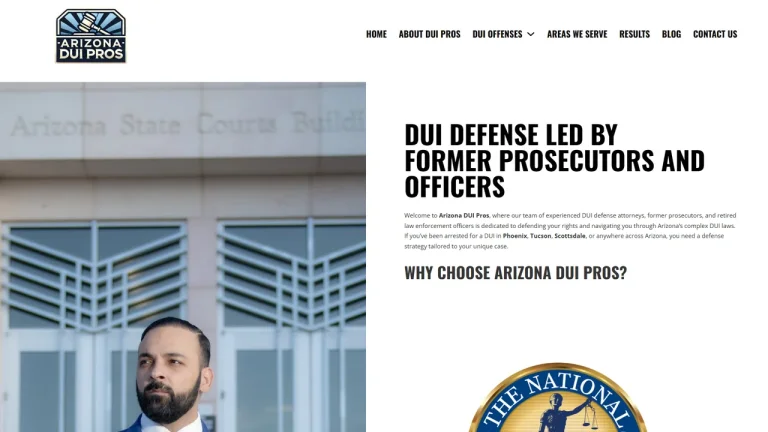
Arizona DUI Lawyer Pros Phoenix, AZ

Liberty Law - Phoenix, AZ

Grand Canyon Law Group Phoenix, AZ

DM Cantor Phoenix, AZ
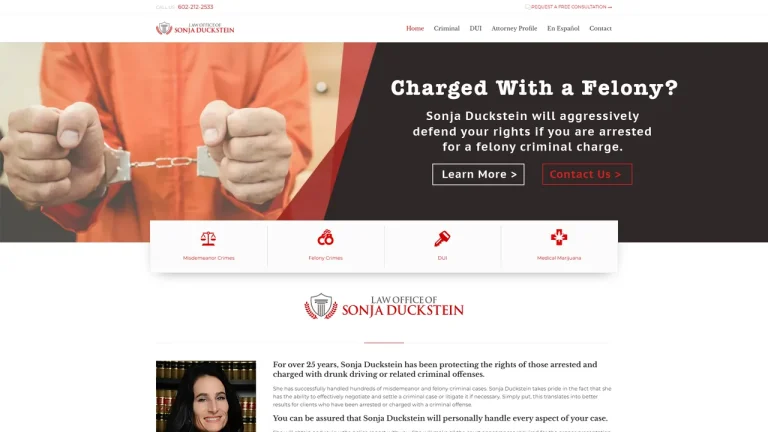
Law Office of Sonja Duckstein Phoenix, AZ
Horan Law Offices, P.C. Phoenix, AZ

Litwak Law Group, Phoenix, AZ

Suzuki Law Offices, L.L.C. - Phoenix, AZ

Nova Law Group - Phoenix, AZ

Shah Law Firm PLLC - Phoenix, AZ
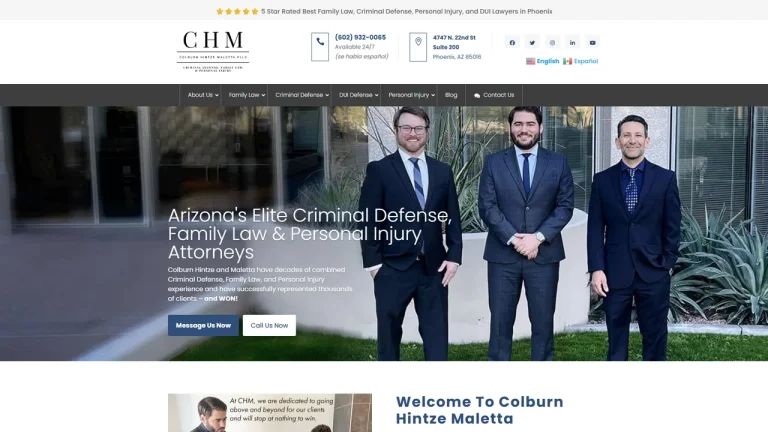
Colburn Hintze Maletta, PLLC - Phoenix, AZ

Future First Criminal Law - Phoenix, AZ

Huss Law - Criminal Defense and DUI Lawyers - Phoenix, AZ

Nava Law Firm - Phoenix, AZ

Gaxiola Law Group, Phoenix, AZ

Saldivar and Associates - Phoenix, AZ

Barber Law Group, Phoenix, AZ
Federal Public Defender Phoenix, AZ
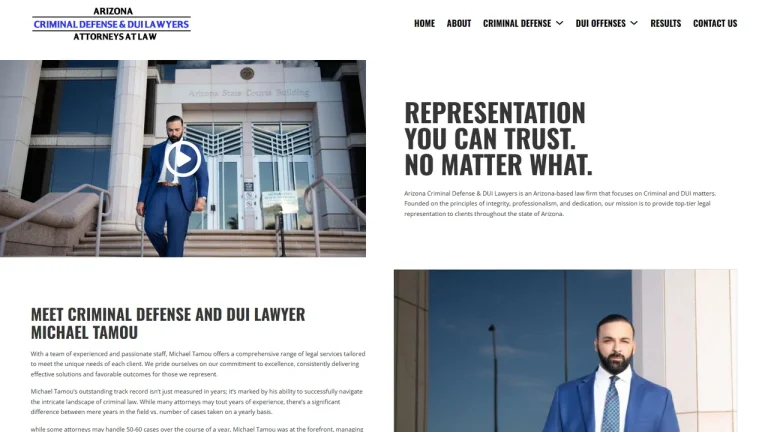
Drug Crime Defense in Phoenix and Maricopa County Courts
Facing narcotics or dangerous drug charges in the Phoenix metropolitan area places individuals in direct confrontation with some of the strictest criminal sentencing codes in the United States. Whether accused of simple possession, illegal distribution, or manufacturing, defendants across Downtown Phoenix, Midtown, Biltmore, Arcadia, and neighboring suburbs like Scottsdale, Tempe, and Glendale face intense prosecution from the Maricopa County Attorney's Office (MCAO) or the Phoenix City Prosecutor.
Misdemeanor drug offenses, such as possession of drug paraphernalia, are typically adjudicated in the Phoenix Municipal Court on West Washington Street or local Maricopa County Justice Courts. In contrast, all felony narcotics and dangerous drug cases are routed directly to the Maricopa County Superior Court, primarily heard at the South Court Tower or the Early Disposition Court (EDC) near the Durango Juvenile and Adult Court Complex. Those booked into custody are initially held at the Fourth Avenue Jail or Lower Buckeye Jail before formal arraignment.
Hiring a dedicated Phoenix drug crime defense attorney early in the process is essential. Private defense counsel investigates whether Phoenix Police Department officers or Maricopa County Sheriff's deputies violated Fourth Amendment protections against unreasonable searches and seizures, works to suppress unlawfully obtained evidence, and advocates for statutory diversion programs that dismiss charges entirely.
Legal Fee Benchmarks for Phoenix Drug Defense
| Case Scenario | Fee Structure | Estimated Cost (USD) | Key Cost Determinants |
|---|---|---|---|
| First-Offense Paraphernalia or Personal Possession (Prop 200) | Flat Fee | $2,500 - $5,500 | Eligibility for TASC diversion, prior criminal history, and prosecutor assignment. |
| Felony Dangerous Drug Possession (Methamphetamine, Fentanyl) | Flat Fee or Hourly | $4,500 - $10,000 | Weight of controlled substance, forensic lab testing challenges, and motion hearings. |
| Possession with Intent to Sell / Drug Trafficking | Milestone Retainer | $10,000 - $30,000+ | Statutory threshold amounts, wiretap evidence, search warrant validity, and trial readiness. |
| Fourth Amendment Evidentiary Suppression Motion | Structured Flat Fee | $3,500 - $8,000 | Body-worn camera footage analysis, K-9 sniff legality, and police officer cross-examination. |
Critical Legal Deadlines & Statutes in Arizona
Criminal drug charges in Arizona are subject to unforgiving statutory timelines. Under A.R.S. § 13-107, the statute of limitations for filing misdemeanor drug charges is 1 year, while non-homicide felony charges must be brought within 7 years from the date of the alleged offense.
Once an arrest occurs, defendants held in custody must receive an Initial Appearance (IA) within 24 hours under Ariz. R. Crim. P. 4.1. If the state initiates charges via a direct complaint rather than a grand jury indictment, a preliminary hearing must take place within 10 days if the defendant remains in custody, or within 20 days if released, pursuant to Ariz. R. Crim. P. 5.1. Furthermore, Arizona's speedy trial requirements under Ariz. R. Crim. P. 8.2 mandate that defendants held in custody be brought to trial within 150 days of arraignment, or within 180 days if released on bond or recognizance.
Substantive drug statutes govern charge severity. Possession of narcotic drugs like fentanyl or cocaine is prosecuted under A.R.S. § 13-3408, whereas dangerous drugs such as methamphetamine fall under A.R.S. § 13-3407. If the quantity exceeds statutory threshold amounts defined in A.R.S. § 13-3401-such as 9 grams of methamphetamine or 200 grams/units of fentanyl-probation is strictly barred by law, making mandatory state prison time compulsory upon conviction. However, first and second non-violent personal drug possession offenses may qualify for mandatory probation under Proposition 200, codified in A.R.S. § 13-901.01, excluding methamphetamine offenses.
Jurisdictional Boundaries: Municipal Courts vs. Superior Court Felony Divisions
Small claims courts in Arizona operate strictly under civil jurisdiction with a $3,500 ceiling under A.R.S. § 22-503 and have zero authority over criminal drug charges. Criminal drug matters are distributed strictly between municipal courts, justice courts, and the Maricopa County Superior Court.
Misdemeanor paraphernalia charges filed by the Phoenix Police Department without accompanying felony counts are handled in Phoenix Municipal Court. Defendants sometimes consider representing themselves (pro se) in misdemeanor dockets, but doing so carries immense danger. A criminal record for drug paraphernalia can lead to automatic driver's license suspension by the Arizona Department of Transportation (ADOT) Motor Vehicle Division (MVD), disqualification from federal student aid, and employment termination. When charges involve felony weights or sales allegations in Superior Court, defending oneself without counsel is virtually impossible due to complex procedural rules, forensic evidence analysis, and aggressive sentencing enhancements pursued by prosecutors.
Red Flags to Avoid When Selecting a Phoenix Criminal Defense Lawyer
- Lawyers who guarantee a dismissal, complete acquittal, or specific plea deal before examining police reports, dashcam footage, and lab toxicology results.
- Attorneys who push clients to accept an immediate guilty plea at the initial pretrial conference without conducting independent defense investigations.
- Firms charging unusually low flat fees that later introduce hidden add-on costs for filing pretrial motions, interviewing state witnesses, or proceeding to trial.
- Practitioners who lack active, demonstrated courtroom experience before the judges of the Maricopa County Superior Court criminal bench.
Frequently Asked Questions
What is the Arizona threshold amount for drug offenses?
Under A.R.S. § 13-3401, statutory threshold amounts establish the weight at which possession of a drug is legally presumed to involve intent to sell. If a person is convicted of possessing drugs at or above the threshold (such as 9 grams of methamphetamine, 9 grams of cocaine, or 1 gram of heroin), mandatory Arizona Department of Corrections prison time is required, and judges are legally prohibited from granting probation.
Does Proposition 200 protect me from going to prison for drug possession in Phoenix?
Codified under A.R.S. § 13-901.01, Proposition 200 mandates probation and substance abuse treatment rather than incarceration for individuals convicted of first or second non-violent personal drug possession offenses. However, Prop 200 does not apply to offenses involving the sale, production, or transportation of drugs, violent crimes, or any offenses involving methamphetamine.
Can an attorney get my Phoenix drug charges dismissed through a diversion program?
Yes, eligible first-time offenders in Maricopa County may qualify for deferred prosecution diversion programs such as the TASC (Treatment Assessment Screening Centers) program. Upon successful completion of educational seminars, community service, and random drug testing, the Maricopa County Attorney's Office dismisses the underlying criminal charges with prejudice.
How can a defense lawyer challenge a drug arrest resulting from a traffic stop?
A defense attorney files a Motion to Suppress evidence under the Fourth Amendment, demonstrating that law enforcement lacked reasonable suspicion to initiate the traffic stop, unlawfully prolonged the detention to conduct a canine drug sniff, or searched the vehicle without probable cause or a valid search warrant.
Is recreational cannabis possession legal in Phoenix?
Under the Smart and Safe Arizona Act (A.R.S. § 36-2852), adults aged 21 and older may legally possess up to 1 ounce of cannabis, with no more than 5 grams being in concentrated form. Possessing between 1 and 2.5 ounces is a civil petty offense, while amounts exceeding 2.5 ounces or unauthorized sales remain felony criminal violations under A.R.S. § 13-3405.