
Slip & Fall Injury Lawyers in Arizona
Connect with trusted Arizona slip and fall injury lawyers to establish premises liability, preserve surveillance video, and secure complete compensation statewide. Experienced injury counsel navigates state comparative negligence rules and business notice standards to achieve favorable settlements without prolonged courtroom battles. Explore our directory below to consult an attorney serving Phoenix, Tucson, Scottsdale, and statewide.

Gerber Injury Law - Surprise, AZ

ELG Accident Attorneys - Phoenix, AZ

Robinson & Allen PLC - Mesa, AZ

Ely, Bettini, Ulman, Rosenblatt and Ozer - Phoenix, AZ
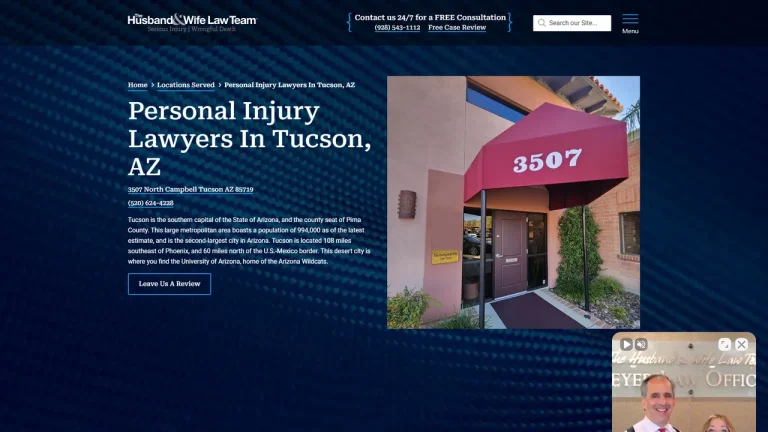
The Husband & Wife Law Team - Tucson, AZ
Esquire Law - Phoenix, AZ

Law Office of Robert W. Precht - Mesa, AZ
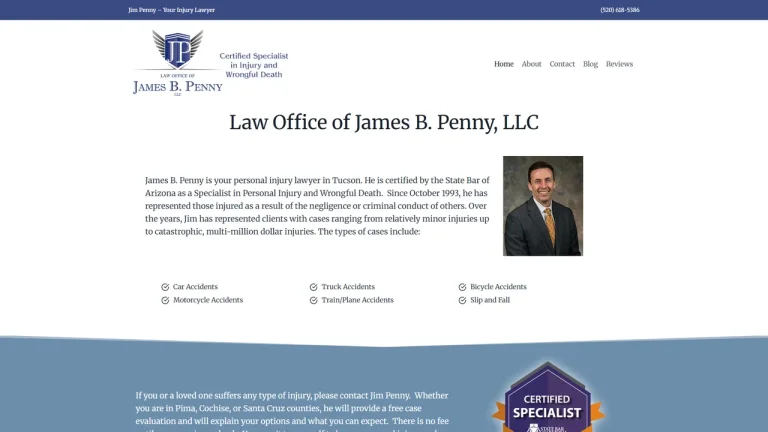
Law Office of James B. Penny, LLC - Tucson, AZ
Phoenix Accident and Injury Law Firm - AZ
Morgan & Morgan - Chandler, AZ

The Tran Law Firm PLLC - Chandler, AZ
Durrant & Associates - Mesa, AZ

Ruben Law Group, AZ Injury Attorneys - Tucson, AZ

Bleaman Law - Tucson, AZ

Two Rivers Law - Yuma, AZ

Grasso Law Firm, P.C. - Chandler, AZ
Hastings & Hastings Discount Accident Lawyers - East Mesa, AZ
Lerner and Rowe Injury Attorneys - Tucson, AZ
Lerner and Rowe Injury Attorneys - Mesa, AZ
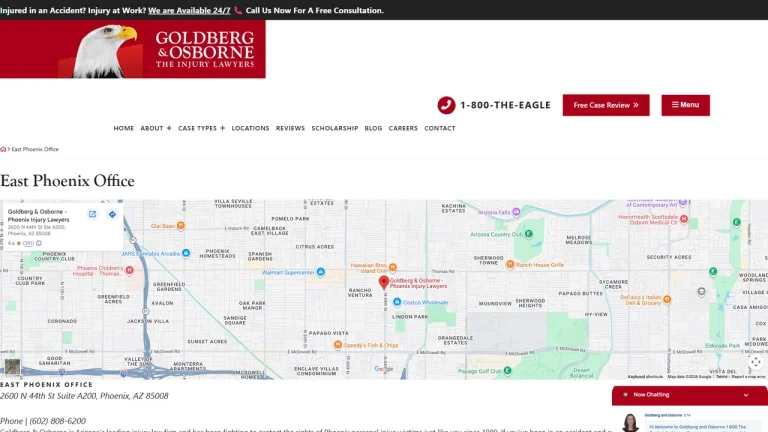
Goldberg & Osborne - Phoenix Injury Lawyers - PHOENIX, AZ

Big Chad Law Injury & Accident Lawyers - Mesa, AZ

TopDog Law Personal Injury Lawyers, Phoenix, AZ
Trevino Law Office - Mesa, AZ
Understanding Premises Liability and Slip and Fall Claims in Arizona
Premises liability actions in Arizona arise when individuals suffer serious injuries due to dangerous, hazardous, or poorly maintained property conditions. Major slip, trip, and fall lawsuits are heard in County Superior Courts, including the Maricopa County Superior Court in Phoenix, the Pima County Superior Court in Tucson, and the Coconino County Superior Court in Flagstaff. Minor monetary disputes under $10,000 are adjudicated in local Justice Courts.
Commercial property owners, retailers, resorts, and landlords in Arizona owe invitees a legal duty to maintain their premises in a reasonably safe condition. To establish liability, an injured claimant must generally prove that the property owner had actual or constructive knowledge of the dangerous hazard and failed to remedy it or provide adequate warning. In retail and grocery store settings, plaintiffs can also rely on the mode of operation rule when the business's operating methods routinely create foreseeable risks.
Hiring a personal injury attorney admitted to the State Bar of Arizona ensures that critical evidence is preserved immediately. Dedicated slip and fall lawyers issue formal spoliation notices to prevent the deletion of surveillance video, review store sweep logs, coordinate with architectural safety experts, and handle insurance settlement negotiations.
Legal Fee Structures for Arizona Slip and Fall Claims
Premises liability attorneys represent injured clients on a contingency fee basis, meaning legal fees are contingent upon obtaining a settlement or jury verdict.
| Case Scenario | Fee Structure | Estimated Cost (USD) | Key Cost Determinants |
|---|---|---|---|
| Retail Store & Supermarket Liquid Spill Falls | Contingency Fee | 33.33% of recovery | Surveillance video availability, application of the mode of operation rule, store inspection sweep logs. |
| Resort, Hotel & Pool Deck Slip and Fall Accidents | Contingency Fee | 33.33% - 40% of recovery | Coefficient of friction surface testing, local building code compliance, hotel commercial insurance limits. |
| Apartment Complex Stairwell & Broken Handrail Falls | Contingency Fee | 33.33% - 40% of recovery | Landlord tenant maintenance history, structural code violations, documented prior tenant complaints. |
| Government Facility & Municipal Sidewalk Trips | Contingency Fee | 33.33% - 40% of recovery | Strict compliance with 180-day notice of claim statutes, municipal repair logs, civil engineering testimony. |
Critical Legal Deadlines & Statutes in Arizona
Filing a premises liability lawsuit in Arizona requires prompt action under strict statutory limitation windows:
- General Premises Liability Statute of Limitations: Lawsuits against private business owners or property managers must be filed within two years from the incident date under Ariz. Rev. Stat. § 12-542.
- Notice of Claim for Public Properties: If a fall occurs on city, county, or state property, a formal Notice of Claim must be filed within 180 days pursuant to Ariz. Rev. Stat. § 12-821.01.
- One-Year Deadline for Government Claims: Lawsuits against municipal or state entities must be initiated within one year following the incident under Ariz. Rev. Stat. § 12-821.
- Pure Comparative Fault Standard: Under Ariz. Rev. Stat. § 12-2505, an injured party's financial recovery is reduced by their allocated percentage of fault, but recovery is not barred even if the claimant shares responsibility.
- Duty to Business Invitees: Commercial property possessors owe invitees an affirmative duty to discover and correct dangerous physical conditions or provide sufficient warning under Arizona common law.
Small Claims Limits vs. Professional Representation in Arizona
Arizona Small Claims Courts operate within the County Justice Courts with a maximum jurisdictional ceiling of $3,500 under Ariz. Rev. Stat. § 22-503, while standard Justice Court civil actions handle claims up to $10,000 pursuant to Ariz. Rev. Stat. § 22-201. Small claims court provides a simplified forum for resolving minor property damages or small out-of-pocket medical copayments without attorney involvement.
However, slip and fall accidents frequently cause fractured wrists, torn knee ligaments, herniated discs, or head trauma that require substantial medical interventions. Insurance carriers routinely argue that the hazard was open and obvious or assert that the claimant was not paying attention to avoid liability. Prosecuting these claims in Superior Court requires formal discovery, building code analysis, and medical lien negotiation. An experienced attorney ensures that surveillance footage is secured before it is erased and builds persuasive evidence to maximize financial recovery.
Red Flags to Avoid When Selecting an Arizona Slip and Fall Lawyer
- Delay in Sending Spoliation Letters: Law firms that fail to issue an immediate formal spoliation notice to preserve commercial security video footage before standard automated deletion cycles.
- Missing Public Entity Deadlines: Attorneys who overlook whether property is owned or leased by a municipal agency, failing to file a Notice of Claim within the strict 180-day window under Ariz. Rev. Stat. § 12-821.01.
- Unfamiliarity with Mode of Operation Standards: Counsel who fail to utilize Arizona's mode of operation doctrine in grocery and retail slip and fall cases where direct notice cannot be proven.
- Guaranteed Settlement Claims: Practitioners who guarantee a specific financial recovery before reviewing medical diagnostic records and examining potential comparative negligence arguments.
Frequently Asked Questions
What is the "mode of operation" rule in Arizona slip and fall claims?
Under Arizona law, the mode of operation rule relieves a plaintiff from having to prove the property owner had actual or constructive notice of a specific spill if the business adopts an operating method-such as self-service food or produce displays-where hazards regularly occur as a foreseeable consequence of the business operation.
What is the deadline to file a slip and fall lawsuit in Arizona?
Pursuant to Ariz. Rev. Stat. § 12-542, you have two years from the date of the fall to file a lawsuit against a private commercial or residential property owner. If the injury occurred on public property, a Notice of Claim must be served within 180 days under Ariz. Rev. Stat. § 12-821.01, and the suit must be filed within one year under Ariz. Rev. Stat. § 12-821.
Can I recover damages if I was looking at my phone when I fell?
Yes. Arizona applies a pure comparative fault doctrine codified in Ariz. Rev. Stat. § 12-2505. Even if you were partially distracted and found 25% at fault for failing to see the condition, you can still recover the remaining 75% of your total proven damages from the negligent property owner.
What steps should I take immediately after slipping and falling at an Arizona store?
You should report the incident immediately to store management and obtain a copy of the incident report, photograph the hazard and surrounding area with your phone, collect contact details from any witnesses, seek prompt medical evaluation, and consult an attorney to issue a formal video preservation notice.