
Wills, Estate Planning & Probate Lawyers in Arizona
Hiring a trusted Arizona wills, estate planning, and probate attorney ensures your legacy is preserved and your estate avoids unnecessary court administration. Experienced probate counsel routinely guides families through trust creation, beneficiary deeds, and uncontested administration outside formal litigation. Explore our verified directory below to consult top Arizona estate lawyers.
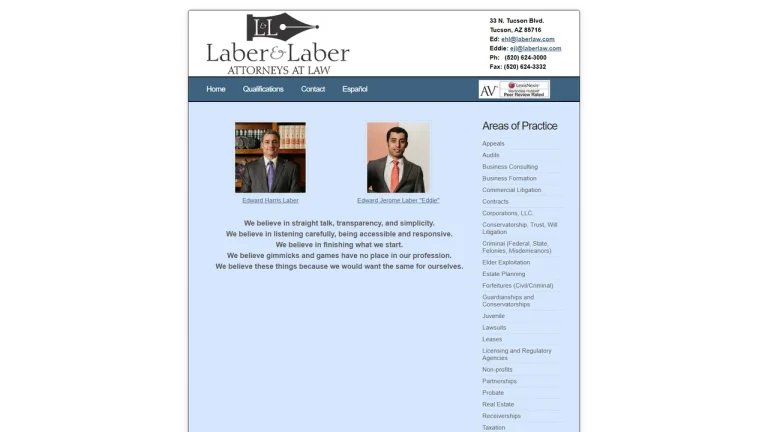
Edward H Laber Law Offices - Tucson, AZ

DuMond Law Firm, PLLC, Phoenix, AZ

Deason Garner and Hansen Law Firm - Yuma, AZ

Jaburg Wilk - Phoenix, AZ

Kinghorn Law - Tucson, AZ

Seiter Law, PLLC - Tempe, AZ

AZ Rights Restoration - Mesa, AZ

Southern Arizona Legal Aid Inc - Tucson, AZ

Faith Law - Surprise, AZ

Kadish Associates Law Group - Phoenix, AZ

Fuller & Stowell, P.C. - Mesa, AZ

Emily R. Taylor, Attorney PLLC - PHOENIX, AZ

Lihn Law Group - Peoria, AZ

Mesa Estate Planning Attorney - AZ

LifePlan Legal AZ - Estate Planning Attorneys - Mesa

AZ Legacy Law Group, PLLC - Phoenix, AZ
Fortify Legal Services - Mesa, AZ
Lauri Reijonen Law - Mesa, AZ

Mathis Elder Law - Tucson, AZ
Bogutz & Gordon, P.C. - Tucson, AZ

Eric E. Button, PLLC - Tucson, AZ

Burris and MacOmber Attorneys At Law - Tucson, AZ
Benavidez Law Group, P.C. - Tucson, AZ
Navigating Arizona Probate Law and Wealth Preservation
Estate planning in Arizona requires careful integration of state community property principles, trust administration statutes, and probate procedures. Structuring a comprehensive estate plan protects family wealth, designates trusted fiduciaries, and minimizes exposure to prolonged judicial supervision.
Probate proceedings and trust disputes fall under the Probate Division of the Arizona Superior Court in each respective county, including active calendars in Maricopa, Pima, and Pinal counties. Formal appeals are heard by the Arizona Court of Appeals, with ultimate review overseen by the Arizona Supreme Court in Phoenix.
From retirement communities in Sun City and Green Valley to growing families in Phoenix, Chandler, and Tucson, estate planning needs span revocable living trusts, durable powers of attorney, and healthcare directives. Attorneys licensed by the State Bar of Arizona ensure instruments comply strictly with the Arizona Uniform Probate Code.
Typical Costs for Arizona Estate Planning and Probate Services
| Case Scenario | Fee Structure | Estimated Cost (USD) | Key Cost Determinants |
|---|---|---|---|
| Comprehensive Trust-Based Estate Plan | Flat Fee | $2,000 - $4,500 | Revocable living trust, pour-over will, healthcare directives, beneficiary deed drafting |
| Basic Will & Powers of Attorney Package | Flat Fee | $950 - $2,200 | Guardian designations, statutory financial power of attorney, living will documents |
| Informal Probate Administration | Hourly / Flat Retainer | $2,500 - $6,500 | Uncontested proceedings, inventory preparation, creditor notices, asset retitling |
| Contested Trust & Will Litigation | Hourly Billing | $10,000 - $40,000+ | Undue influence claims, testamentary capacity challenges, breach of fiduciary duty |
Critical Legal Deadlines & Statutes in Arizona
Probate administration and estate claims in Arizona must observe statutory deadlines established under the Arizona Uniform Probate Code. Under A.R.S. § 14-3108, formal or informal probate proceedings must generally be commenced within three years of the decedent's death.
Creditors face tight windows once probate begins; personal representatives must publish notice, and unknown creditors must present claims within four months of initial publication pursuant to A.R.S. § 14-3801 and A.R.S. § 14-3803. Valid execution of formal wills requires compliance with A.R.S. § 14-2502, while real estate can transfer outside probate via beneficiary deeds executed under A.R.S. § 33-405.
Small Claims Limits vs. Professional Representation in Arizona
While the Justice Court Small Claims division operates with a monetary ceiling of $3,500 under A.R.S. § 22-503, it has no subject-matter jurisdiction over estate settlement, fiduciary appointments, or will contests. However, qualifying modest estates can bypass formal probate through statutory small-estate affidavits.
Under A.R.S. § 14-3971, successors can transfer personal property valued up to $75,000 or real property equity up to $100,000 using affidavit procedures without court administration. When estates exceed these thresholds, involve contested heirships, or necessitate fiduciary defense in the Arizona Superior Court, seasoned probate counsel is required.
Red Flags When Hiring an Arizona Estate Planning Lawyer
- Non-attorney trust document mills that sell standardized, one-size-fits-all revocable living trust packages.
- Attorneys who draft living trusts but fail to assist clients with transferring real estate deeds and retitling accounts into the trust.
- Lawyers charging percentage-based probate fees rather than transparent hourly rates or fixed flat fees for estate administration.
- Failure to account for Arizona community property double step-up in basis provisions when distributing marital capital.
Frequently Asked Questions
What is an Arizona beneficiary deed?
An Arizona beneficiary deed transfers real estate directly to designated beneficiaries upon the owner death without going through the probate court process.
What is the financial threshold for a small estate affidavit in Arizona?
In Arizona, estates with less than $75,000 in personal property or less than $100,000 in net real property equity can be transferred via affidavit without formal probate.
Are holographic (handwritten) wills valid in Arizona?
Yes, a holographic will is valid in Arizona if the signature and material provisions are written in the testator's own handwriting, even if not witnessed.
How long do creditors have to file a claim against an estate in Arizona?
Creditors have four months from the date of first publication of notice to creditors to file their claims against the probate estate.
Can a revocable living trust help avoid probate in Arizona?
Yes, assets properly titled in the name of a revocable living trust pass directly to named beneficiaries under trust terms, avoiding the time and expense of court probate.