
Bankruptcy Lawyers in Arkansas
Retaining an Arkansas bankruptcy lawyer protects your essential assets, halts creditor harassment, and guides you through federal debt liquidation or restructuring. Experienced legal counsel frequently resolves creditor objections and negotiates repayment plans, securing a path to financial recovery. Browse our verified directory below to consult trusted bankruptcy attorneys across Arkansas.
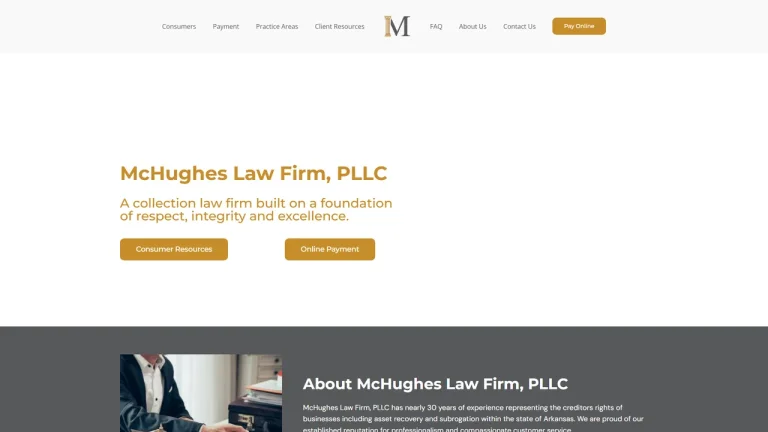
The McHughes Law Firm, PLLC - Little Rock, AR
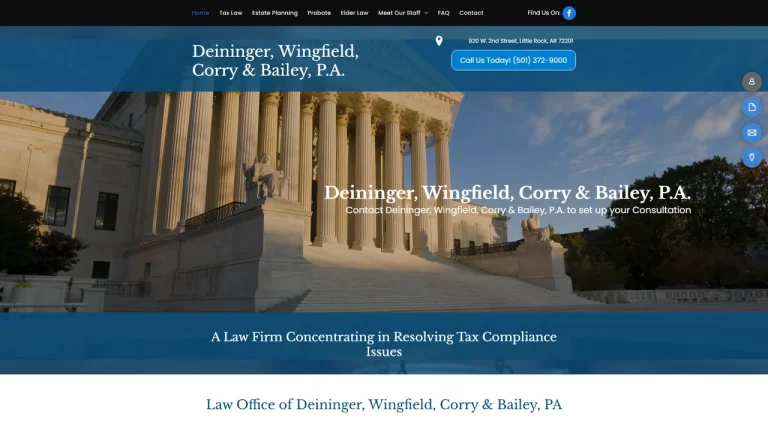
Wingfield and Corry, P.A. - Little Rock, AR

Table Law, PLLC - Martha Tucker Ayres - Little Rock, AR

Dilks Law Firm - Little Rock, AR

Wayne Young Law Firm - Fort Smith, AR
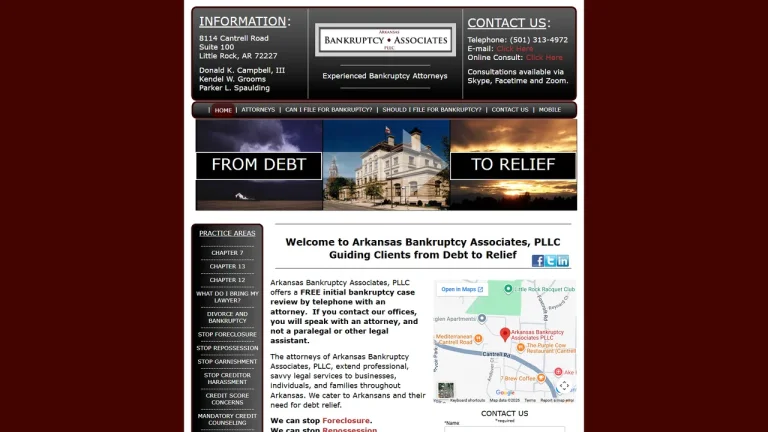
Arkansas Bankruptcy Associates PLLC - Little Rock, AR
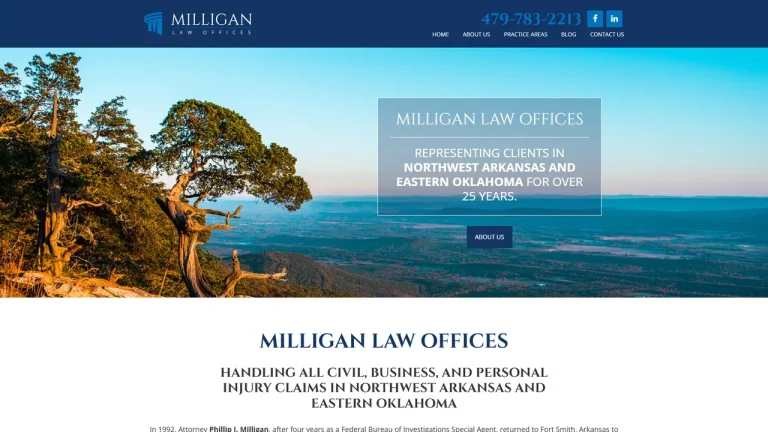
Milligan Law Offices - Fort Smith, AR

Keech Law Firm PA - Little Rock, AR

Bond Law Office - Fort Smith, AR

Center For Arkansas Legal Services - Fort Smith, AR
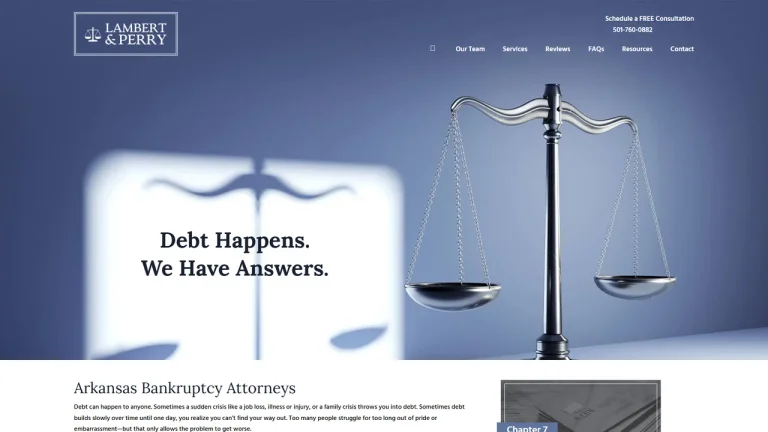
Lambert & Perry Law Firm - Little Rock, AR

Turner & Rasch, Attorneys at Law - Little Rock, AR

The Brad Hendricks Law Firm - Little Rock, AR
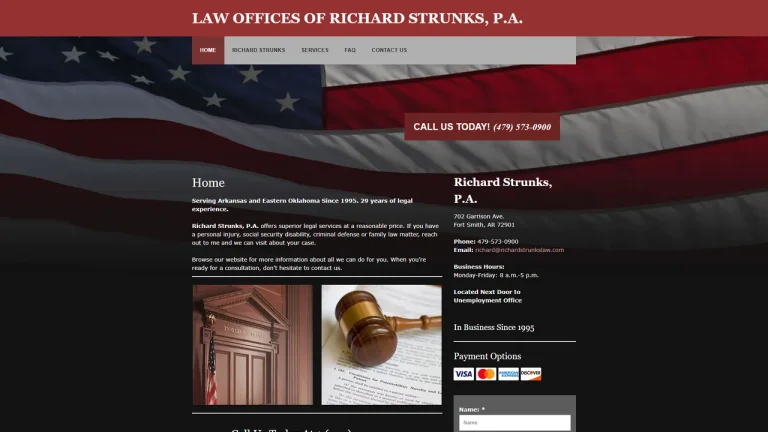
Bankruptcy Clinic - Fort Smith, AR

Lax, Vaughan, Fortson, Rowe & Threet, P.A. - Little Rock, AR
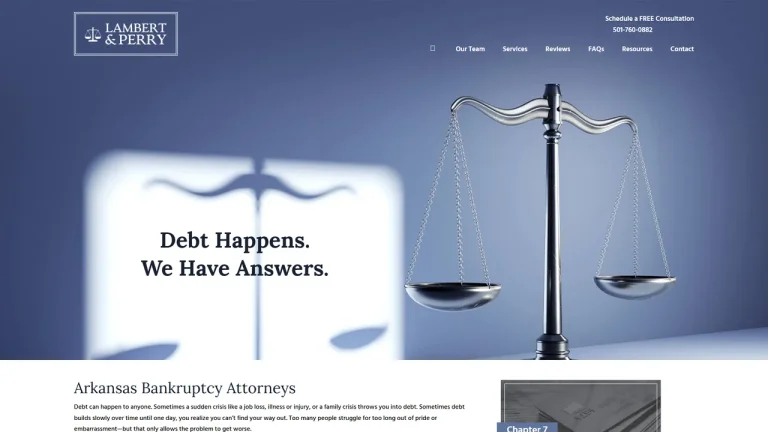
Lambert & Perry Law Firm, PLLC - Little Rock, AR

Medlock and Gramlich, LLP Attorneys at Law - Fort Smith, AR

Natural State Law, PLLC - Little Rock, AR
Caddell Reynolds Law Firm - Fort Smith, AR

The Stanley Havner Law Firm - Little Rock, AR

The Roop Law Firm - Fort Smith, AR

Affordable Legal Services - Fort Smith, AR
Niswanger Law Firm PLC - Little Rock, AR
Navigating Federal Bankruptcy Protection Across Arkansas
Overwhelming financial distress requires decisive legal intervention under federal bankruptcy law. Whether confronting aggressive collection attempts, mortgage foreclosure, or vehicular repossession, an attorney helps debtors trigger the automatic stay to freeze all collection activities immediately.
Bankruptcy cases throughout the state are filed in the United States Bankruptcy Court for the Eastern District of Arkansas, with divisions in Little Rock, Helena, and Jonesboro, or the Western District of Arkansas, serving Fayetteville, Fort Smith, and Texarkana. Local rules and trustee requirements dictate specific procedural filing standards.
Across diverse commercial and residential hubs-including Pulaski County, Northwest Arkansas, and the River Valley-debtors navigate Chapter 7 liquidations or Chapter 13 reorganization plans. Attorneys admitted to the Arkansas Bar Association analyze household income under the statutory means test to establish financial relief while preserving exempt property.
Typical Fee Structures for Arkansas Bankruptcy Filings
| Case Scenario | Fee Structure | Estimated Cost (USD) | Key Cost Determinants |
|---|---|---|---|
| Chapter 7 Individual Liquidation | Flat Fee | $1,200 - $2,500 | Means test qualification, number of creditors, exemption asset analysis |
| Chapter 13 Wage Earner Reorganization | Court-Approved Standard Fee | $3,500 - $4,500 | Plan duration (36 to 60 months), disposable income calculation, plan bifurcation |
| Subchapter V Small Business Reorganization | Retainer + Hourly | $10,000 - $30,000+ | Cash collateral motions, debtor-in-possession financing, creditor consensus |
| Adversary Proceeding & Discharge Defense | Hourly Billing | $250 - $450 / hr | Allegations of fraud, preferential transfer claims, trial complexity |
Critical Legal Deadlines & Statutes in Arkansas
Federal bankruptcy procedure imposes unforgiving statutory windows that control creditor rights and debtor duties. Under 11 U.S.C. § 362, the filing of a petition immediately activates an automatic stay, halting all active state court garnishments and pending foreclosure sales across Arkansas.
Arkansas debtors enjoy the statutory right under 11 U.S.C. § 522(b) to elect either the federal exemption scheme or Arkansas state exemptions. State homestead protections codified under Ark. Code Ann. § 16-66-210 and personal property exemptions under Ark. Code Ann. § 16-66-218 allow qualifying residents to protect their primary dwelling. To qualify for Chapter 7 discharge, debtors must complete the means test under 11 U.S.C. § 707(b) comparing household earnings to state median averages.
Small Claims Limits vs. Professional Representation in Arkansas
In Arkansas, the Small Claims Division of the District Court handles civil disputes where the amount in controversy does not exceed $5,000 pursuant to Ark. Code Ann. § 16-17-602. Creditors frequently file small claims suits to obtain rapid judgments against unrepresented consumers for modest medical balances or unpaid retail debts.
However, state District Courts have zero jurisdiction to discharge debts or restructure financial liabilities. Only federal bankruptcy courts have the statutory authority to issue an order of discharge under federal law. When facing bank levies, wage garnishments, or complex equity calculations, retaining an experienced bankruptcy attorney ensures your exempt assets remain protected from judgment execution.
Red Flags When Hiring an Arkansas Bankruptcy Lawyer
- Non-attorney bankruptcy petition preparers claiming they can provide legal advice or represent you before the bankruptcy trustee.
- Firms that guarantee a Chapter 7 discharge without conducting a thorough review of your household income and prior tax filings.
- Attorneys who fail to explain the strategic trade-offs between Arkansas state exemptions and federal bankruptcy exemptions.
- Unclear fee agreements that hide court filing fees, credit counseling charges, or attendance at the mandatory 341 meeting of creditors.
Frequently Asked Questions
What is the difference between Chapter 7 and Chapter 13 bankruptcy in Arkansas?
Chapter 7 liquidates non-exempt assets to discharge unsecured debts in roughly four to six months, while Chapter 13 creates a three-to-five-year court-supervised repayment plan allowing homeowners to cure mortgage arrears.
Can I keep my home when filing bankruptcy in Arkansas?
Yes, debtors can protect their home equity by utilizing either the generous Arkansas constitutional homestead exemption or federal bankruptcy exemptions, provided mortgage payments remain current.
Where are bankruptcy hearings held in Arkansas?
Cases are assigned to the U.S. Bankruptcy Court for either the Eastern District in Little Rock or the Western District in Fayetteville or Fort Smith, with initial 341 creditor meetings often conducted telephonically or by video.
What is the mandatory credit counseling requirement?
Federal law requires debtors to complete an approved credit counseling course before filing their petition and a debtor education financial management course prior to receiving a discharge.
Can filing bankruptcy stop a scheduled foreclosure sale in Arkansas?
Yes, filing a bankruptcy petition invokes the automatic stay, which instantly halts all scheduled foreclosure sales, lawsuits, and repossessions while the court evaluates the case.