
Immigration Lawyers in Little Rock
Navigating complex federal immigration laws in Little Rock demands dedicated legal advocacy to protect your residency and secure your family's future. An experienced immigration attorney can manage USCIS petitions, defend against deportation, and expedite visas. Explore our verified directory below to consult with top Little Rock immigration lawyers.
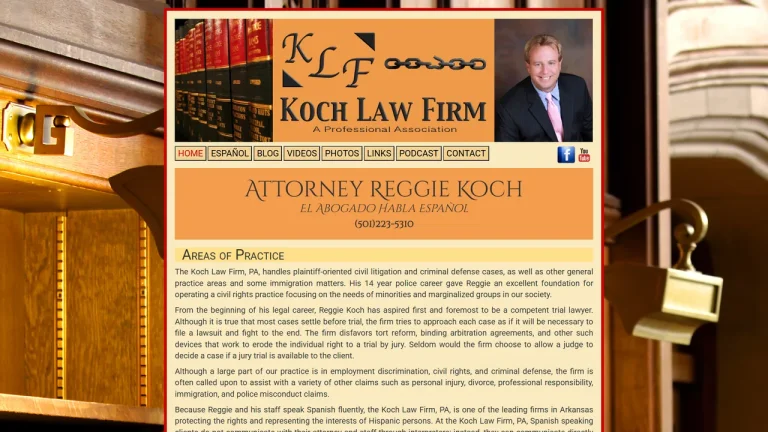
Koch Law Firm - Little Rock, AR
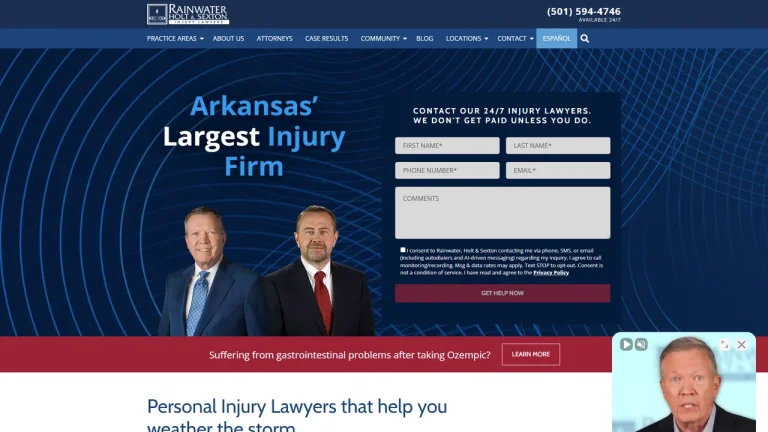
Milton A. DeJesus, Of Counsel to Rainwater Holt & Sexton - Little Rock, AR

Catlett Law Firm, PLC - Little Rock, AR

Zenith Law Group, PLLC - Little Rock, AR
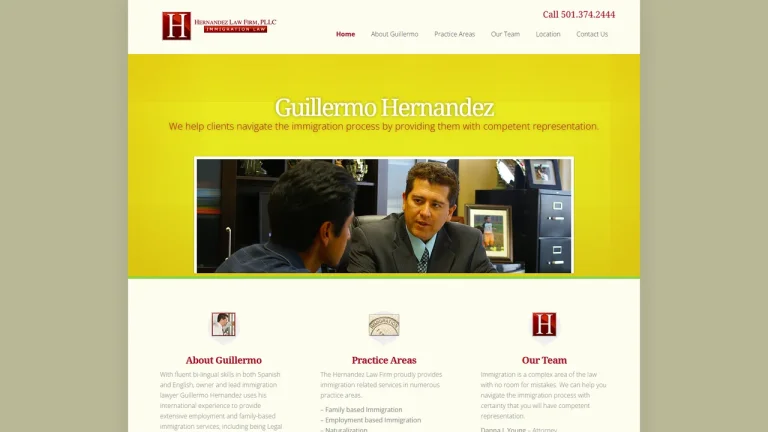
The Hernandez Law Firm, PLLC - Little Rock, AR

Cross, Gunter, Witherspoon & Galchus, P.C. - Little Rock, AR
Kaye H. McLeod Law Firm, Inc. - Little Rock, AR

Bailey & Galyen Attorneys at Law - Little Rock, AR

FAYMAN LAW FIRM PLLC - Little Rock, AR

Travis Tom - Attorney - Little Rock, AR
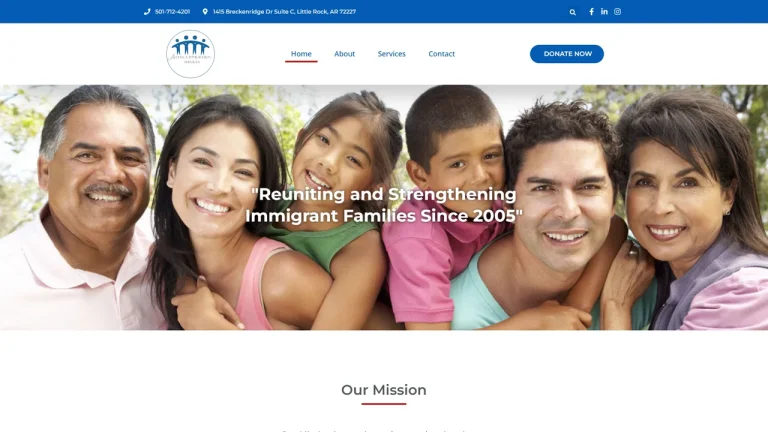
Alliance for Immigration Services - Little Rock, AR

Immigration Law and Federal Agency Practice in Little Rock
Little Rock is home to a growing international population that drives regional commerce, healthcare delivery at UAMS Medical Center, academic research, and service industries across Pulaski County. Foreign nationals, multinational businesses, and local families seeking permanent residency or work authorization must navigate complex federal regulations enforced by the Department of Homeland Security (DHS).
Immigration practice in Little Rock centers on administrative interactions with United States Citizenship and Immigration Services (USCIS). Biometrics appointments and identity verifications are processed through the Little Rock Application Support Center, while naturalization interviews and green card adjudications are handled by USCIS field offices serving Arkansas.
For individuals facing deportation, removal proceedings are conducted under the jurisdiction of the Executive Office for Immigration Review (EOIR), with Arkansas cases heard through the Memphis Immigration Court or via teleconference dockets in Little Rock. A local Little Rock immigration lawyer provides essential representation to challenge deportation notices, submit humanitarian relief, and ensure compliance with federal immigration statutes.
Little Rock Immigration Legal Fee Structures
| Case Scenario | Fee Structure | Estimated Cost (USD) | Key Cost Determinants |
|---|---|---|---|
| Family-Based Adjustment of Status (Form I-485 / I-130) | Flat Fee | $1,800 - $4,200 | Prior unlawful presence, public charge analysis, USCIS interview accompaniment. |
| Employment-Based Visas (H-1B, L-1, PERM Labor Certification) | Flat Fee / Retainer | $3,000 - $7,500 | Department of Labor prevailing wage determinations, specialty occupation proof. |
| Defensive Asylum & Withholding of Removal (EOIR) | Flat Fee / Retainer | $4,500 - $9,500 | Country condition research, expert declarations, psychological evaluations. |
| Federal Court Mandamus Action (Unreasonable Delay) | Flat Fee / Hourly ($300 - $550/hr) | $3,500 - $8,000 | USCIS processing delay duration, federal district court complaint drafting. |
Critical Legal Deadlines & Statutes in Arkansas
Federal immigration petitions and removal defense are governed by rigid statutory deadlines. Under 8 U.S.C. § 1158(a)(2)(B), an individual seeking defensive asylum must formally file Form I-589 within one year of their arrival in the United States, unless they demonstrate extraordinary circumstances or changed conditions affecting eligibility.
Naturalization applicants must satisfy strict physical presence and continuous residence criteria. Under 8 U.S.C. § 1427(a), standard applicants must maintain five years of continuous lawful permanent residence (or three years if married to a U.S. citizen pursuant to 8 U.S.C. § 1430(a)), with at least half that time spent physically inside the United States.
In removal proceedings before the immigration court, any adverse decision by an immigration judge must be appealed to the Board of Immigration Appeals (BIA) within 30 calendar days from the date of the decision pursuant to 8 C.F.R. § 1003.38(b). For non-permanent residents facing removal, qualifying for cancellation of removal under 8 U.S.C. § 1229b(b) requires proving ten years of continuous physical presence and exceptional and extremely unusual hardship to a qualifying relative. Unreasonable agency delays can be challenged in the U.S. District Court for the Eastern District of Arkansas under the Administrative Procedure Act, codified at 5 U.S.C. § 706(1).
Direct USCIS Filing vs. Licensed Immigration Legal Counsel
The Little Rock District Court handles small claims up to $5,000 under Ark. Code Ann. § 16-17-602. However, local state and municipal courts have zero jurisdiction over immigration matters. Federal immigration law is governed exclusively by Title 8 of the United States Code and enforced by federal administrative agencies.
While standard USCIS forms can be downloaded online, filing without professional counsel exposes applicants to severe risks. Minor clerical mistakes or misunderstandings about prior unlawful presence, unauthorized employment, or minor criminal citations in Pulaski County can trigger immediate petition denials, forfeiture of filing fees, or the issuance of a Notice to Appear (NTA) placing the applicant into removal proceedings. A Little Rock immigration attorney identifies potential grounds of inadmissibility and secures necessary waivers before documents are submitted.
Red Flags When Hiring an Immigration Lawyer
- Beware of "notarios" and non-attorney document preparers: In Arkansas, notaries public are not licensed to practice law, provide legal advice, or represent clients before USCIS or EOIR.
- Guaranteed approvals or expedited processing: No ethical lawyer can guarantee USCIS approval or promise fast-track results without statutory eligibility.
- Lack of written representation agreements: Your fee agreement should itemize legal fees, translation costs, and official USCIS filing fees in clear terms.
- Failure to provide copies of filed petitions: Reputable immigration lawyers always provide clients with complete copies of all forms and supporting evidence submitted to the government.
Frequently Asked Questions
Where do Little Rock residents attend USCIS biometric appointments?
Biometrics appointments, fingerprinting, and digital photograph captures for Little Rock applicants are scheduled at the local USCIS Application Support Center (ASC) located in Little Rock.
Which immigration court handles deportation proceedings for Arkansas residents?
Removal proceedings for individuals residing in Little Rock and Pulaski County are under the jurisdiction of the Memphis Immigration Court, administered by the Executive Office for Immigration Review (EOIR), with some hearings conducted via teleconference.
What is the one-year asylum deadline under federal immigration law?
Under 8 U.S.C. § 1158(a)(2)(B), an applicant must submit Form I-589 within one year of their last entry into the United States, unless they prove extraordinary circumstances or changed country conditions.
Can a past criminal arrest in Pulaski County affect my green card application?
Yes. Even dismissed charges or minor misdemeanor citations can trigger grounds of inadmissibility under federal immigration law. A Little Rock immigration attorney must review certified court dispositions before filing petitions with USCIS.
What is a writ of mandamus for delayed immigration applications?
A writ of mandamus is a federal lawsuit filed under 5 U.S.C. § 706(1) in the U.S. District Court for the Eastern District of Arkansas to compel USCIS to issue a final adjudication on an application delayed beyond reasonable statutory timeframes.