
Citizenship Lawyers in California
Retaining an experienced California citizenship attorney safeguards your naturalization application against unforeseen delays, denials, or removal exposure. Dedicated legal counsel helps navigate continuous residence hurdles, resolve prior criminal citations, and prepare for USCIS interviews. Explore our verified statewide directory below to arrange a comprehensive naturalization case evaluation today.

Law Office of Tricia Wang - Fremont, CA

De La Torre Law Firm - Santa Rosa, CA

California Rural Legal Assistance Foundation - Fresno

Singh Ahluwalia Attorneys at Law - Fresno, CA
Pegasus Law Group PC - Diamond Bar, CA

EZZATI LAW P.C. - Irvine, CA

The Law Offices of S. Ouya Maina, P.C. - Berkeley, CA

Law Offices of Moreno & Associates - Chula Vista, CA

Law Offices of Shadi Sheidayi - Tustin, CA
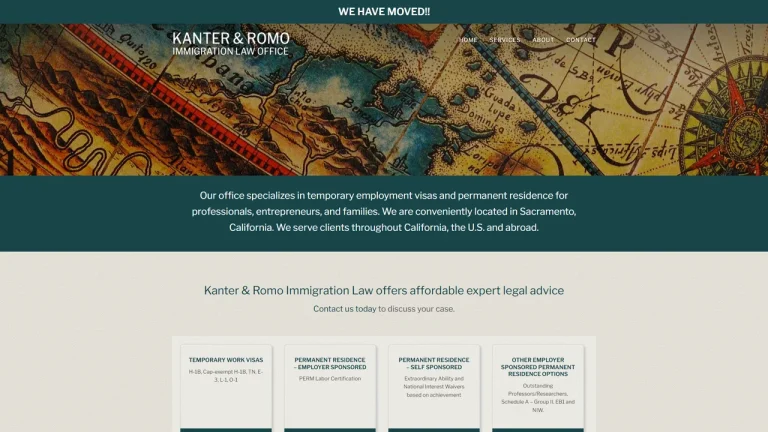
Kanter & Romo Immigration Law Office - Sacramento, CA

Seven Hills Law Firm - Oakland, CA
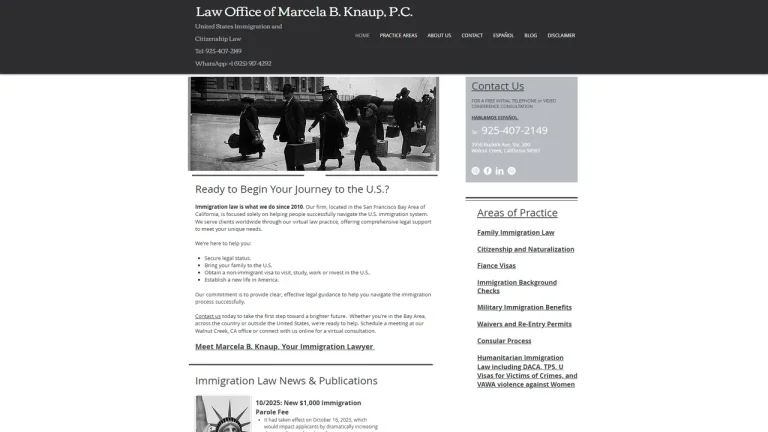
Marcela B. Knaup, Immigration Lawyer - Walnut Creek, CA
Garg & Associates, P.C. - Aliso Viejo, CA
Sally Amirghahari - Irvine, CA
Batara Immigration Law - Escondido, CA
Paula Gonzalez Law Office - Chula Vista, CA

KPB Immigration Law Firm Sacramento, CA
Manulkin, Tanner & Associates - Orange, CA
Aliya Karmali - Oakland, CA

Menna Law Group: Immigration Attorneys - Oakland, CA
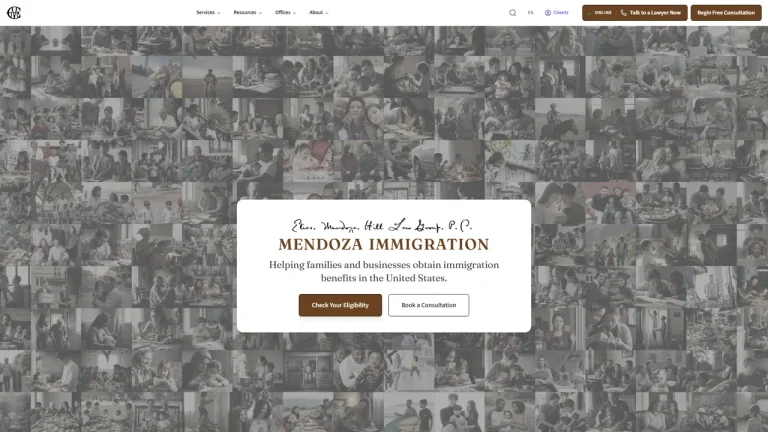
Mendoza Immigration - Sacramento, CA
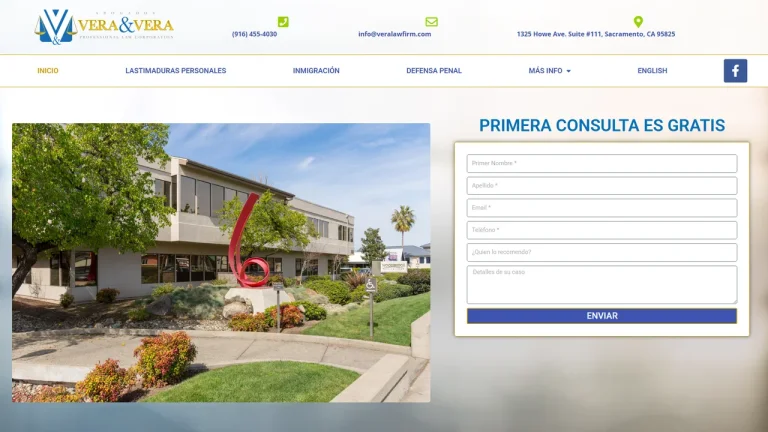
Vera & Vera PLC - Sacramento, CA
Ballout Law, APC - San Mateo, CA
Navigating the Naturalization Process and USCIS Jurisdictions in California
Becoming a United States citizen through naturalization is governed by the Immigration and Nationality Act (INA) under federal law. In California, naturalization applications and interviews are administered by U.S. Citizenship and Immigration Services (USCIS) field offices operating across major population centers, including Los Angeles, San Francisco, San Diego, San Jose, Sacramento, Fresno, Santa Ana, and San Bernardino.
While naturalization appears administrative on Form N-400, applying triggers a comprehensive review of an immigrant entire immigration history, including how permanent residency was initially acquired. When naturalization is denied or improperly delayed, statutory remedies permit appeals through administrative hearings and federal judicial litigation in the U.S. District Courts in California (Central, Northern, Eastern, and Southern Districts).
California state laws interact directly with federal naturalization requirements. Prior arrests or infractions resolved in California Superior Courts under Cal. Penal Code § 1203.4 dismissals still require disclosure under federal immigration law. Attorneys listed in our directory hold active licensure with The State Bar of California and specialize in federal naturalization and citizenship jurisprudence.
Common Legal Fee Frameworks for California Citizenship Matters
Legal representation costs for citizenship in California depend upon travel history, marital status categories, and the presence of prior criminal or tax complications. The schedule below details standard billing frameworks across California.
| Case Scenario | Fee Structure | Estimated Cost (USD) | Key Cost Determinants |
|---|---|---|---|
| Standard N-400 Naturalization Application & Interview | Flat Fee | $1,200 - $3,000 | Document translation volume, physical presence audits, and USCIS in-person interview attendance. |
| Complex Naturalization with Criminal / Extended Absence Issues | Flat Fee or Hourly ($250 - $475/hr) | $3,500 - $8,500 | Certified court disposition retrieval, good moral character briefs, and California penal code analysis. |
| N-648 Medical Disability Exception Filing | Structured Flat Fee | $2,000 - $4,500 | Coordination with licensed medical professionals, clinical substantiation, and English/civics waiver advocacy. |
| N-336 Administrative Appeal & Section 1447(b) Federal Action | Hourly or Staged Retainer | $4,500 - $15,000 | Administrative hearing briefs, de novo evidence presentation, and U.S. District Court litigation. |
Critical Legal Deadlines & Statutes in California Citizenship Cases
Naturalization applicants must satisfy precise continuous residence and statutory filing deadlines. Under 8 U.S. Code § 1427(a), general applicants must maintain lawful permanent resident status for at least five continuous years, be physically present in the United States for at least 30 months, and establish good moral character. Individuals married to U.S. citizens may apply under the three-year continuous residence standard pursuant to 8 U.S. Code § 1430(a).
Under 8 C.F.R. § 334.2(b), applicants can file Form N-400 up to 90 calendar days prior to completing the required continuous residence period. However, calculating continuous residence requires vigilance: an absence from the United States of more than six months but less than one year creates a presumption of a break in continuous residence under 8 C.F.R. § 316.5(c), while an absence of one year or more automatically breaks continuity.
If USCIS denies a naturalization petition, the applicant has strictly 30 calendar days from the date of the decision to file an administrative appeal via Form N-336 under 8 C.F.R. § 336.2. If USCIS conducts the naturalization examination but fails to make an adjudication determination within 120 days, the applicant has the right to file a petition in the local U.S. District Court under 8 U.S. Code § 1447(b), asking a federal judge to adjudicate the application or order USCIS to act.
California Small Claims Inapplicability vs. Legal Counsel Benefits
California Small Claims courts, which exercise monetary jurisdiction up to $12,500 for natural persons under Cal. Civ. Proc. Code § 116.221, have zero authority over immigration filings, citizenship declarations, or administrative agencies. Naturalization is strictly governed by federal law.
Many applicants incorrectly believe that filing Form N-400 is merely a paperwork formality. However, filing with unresolved tax liabilities, overdue child support, or prior misdemeanor convictions can result not only in denial but also in the issuance of a Notice to Appear placing the applicant in removal proceedings.
Furthermore, state dismissals under Cal. Penal Code § 1203.4 do not erase convictions for federal immigration purposes. An experienced California citizenship attorney evaluates criminal records, prepares legal briefs addressing good moral character standards under 8 U.S. Code § 1101(f), and accompanies clients to USCIS interviews to safeguard their lawful status.
Red Flags to Avoid When Selecting a California Citizenship Attorney
- Unlicensed immigration consultants or notarios who prepare N-400 forms without legal licensure and cannot appear before USCIS or federal courts.
- Lawyers who advise applying for citizenship without reviewing certified California court records for all past arrests and citations.
- Guarantees of naturalization approval regardless of extended absences from the country or unpaid state and federal taxes.
- Lack of active, good-standing licensure on The State Bar of California public member directory.
Frequently Asked Questions
What is the 90-day early filing rule for U.S. citizenship?
Under 8 C.F.R. § 334.2(b), permanent residents can submit Form N-400 up to 90 calendar days before reaching their required three-year or five-year continuous residence anniversary.
Does an expunged record under Cal. Penal Code § 1203.4 need to be disclosed to USCIS?
Yes, federal immigration law requires disclosing all arrests, charges, and convictions on Form N-400, even if the case was dismissed or expunged under Cal. Penal Code § 1203.4.
What happens if USCIS delays a decision on my citizenship application?
Under 8 U.S. Code § 1447(b), if USCIS fails to make a decision within 120 days after your initial naturalization interview, you can file a lawsuit in federal district court asking a judge to grant citizenship or order a decision.
What is an N-648 medical disability waiver?
Under 8 U.S. Code § 1423(b), Form N-648 allows naturalization applicants with medically determinable physical or developmental disabilities to waive the English and civics testing requirements.