
Family Immigration Lawyers in California
Connect with premier California family immigration lawyers to unite your loved ones through green cards, visas, and waivers. Schedule a case evaluation today. Experienced immigration counsel resolves complex inadmissibility issues, prepares thorough USCIS petitions, and navigates consular processing to avoid prolonged family separations. Explore our verified statewide directory below to consult an attorney for your family immigration case.

Green Maple Law Group - Newport Beach, CA
Law Office of Patricia J. Erb - Monterey Park, CA

Singh Ahluwalia Attorneys at Law - Fresno, CA

Reyes & Schroeder Associates P.C. - Costa Mesa, CA
Law Offices of Jeffrey T. Bell - Irvine, CA
WEST COAST IMMIGRATION SERVICE 西海岸移民法律中心 - Alhambra, CA

Eaton & Associates - Bakersfield, CA

Boag Law - Garden Grove, CA
The Vittoria Firm, APC - Long Beach, CA

Hanlon Law Group P.C. - Pasadena, CA
The Grande Law Firm - Torrance, CA
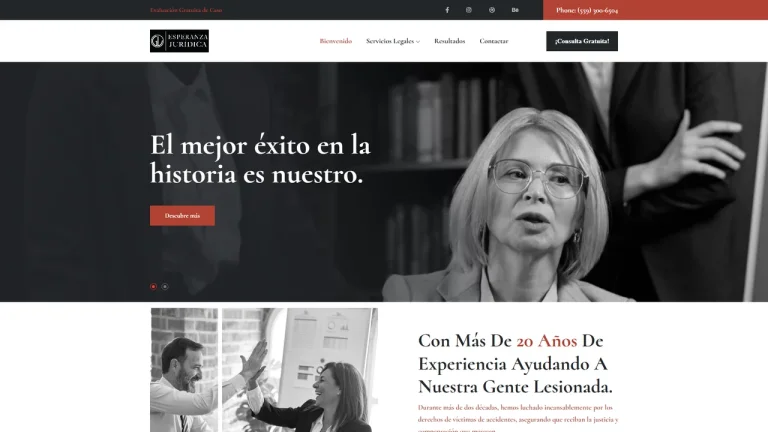
Esperanza Juridica - Visalia, CA
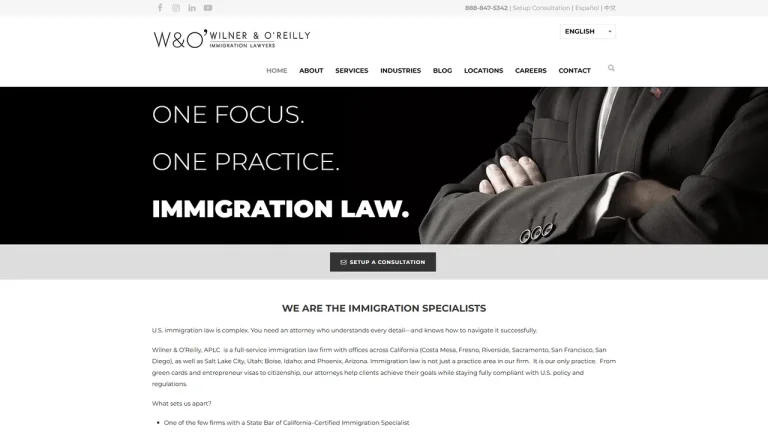
Wilner & O'Reilly | Immigration Lawyers - Sacramento, CA

The Law Office of Sanger Brito-Lyon - Long Beach, CA
Bulldog Law - Pasadena, CA
Vicente T. Cuison - Oakland, CA
Law Office of Charles Medina - Fullerton, CA
The Eagle Law Firm - San Bernardino, CA

Cenci Law Group - Fresno, CA
Law Office of Edward Orendain - Chula Vista, CA
Fatone Law - Modesto, CA
Maison Law Immigration Lawyers - Bakersfield, CA
Jose M. Garavito, Esq. - Victorville, CA
Navigating Family Immigration Law Across California
Uniting families through lawful permanent residence and immigrant visas is one of the most vital areas of legal practice in California. Because California is home to vibrant immigrant communities spanning Los Angeles, Orange County, San Diego, San Jose, San Francisco, and the Central Valley, family immigration matters represent a substantial volume of federal administrative practice throughout the state.
Family-based immigration is governed by the federal Immigration and Nationality Act (INA), codified under Title 8 of the United States Code. Applications within California are adjudicated by United States Citizenship and Immigration Services (USCIS) through field offices in Los Angeles, San Francisco, San Diego, Sacramento, and Fresno, as well as the California Service Center in Laguna Niguel. If removal proceedings or inadmissibility challenges arise, cases are heard in Executive Office for Immigration Review (EOIR) immigration courts located across California, with judicial appeals subject to the U.S. Court of Appeals for the Ninth Circuit.
Retaining a dedicated California family immigration attorney is crucial to avoiding lengthy processing delays, Requests for Evidence (RFEs), or petition denials. Skilled immigration practitioners guide families through consular processing, adjustment of status, unlawful presence waivers, and marriage petition interviews, ensuring clients achieve permanent legal stability without unnecessary legal risk.
Legal Fee Structures for California Family Immigration Services
| Case Scenario | Fee Structure | Estimated Cost (USD) | Key Cost Determinants |
|---|---|---|---|
| Form I-130 Petition & Consular Processing | Flat Fee | $1,500 - $3,500 | Bona fide relationship documentation, translation of civil records, National Visa Center preparation. |
| Concurrent Adjustment of Status (I-130 & I-485) | Flat Fee | $2,500 - $5,500 | Lawful entry proof, Form I-864 financial sponsor sufficiency, USCIS field office interview representation. |
| Form I-601A Provisional Unlawful Presence Waiver | Flat Fee or Hourly | $3,500 - $7,500 | Qualifying relative extreme hardship documentation, medical evidence compilation, legal brief depth. |
| Form I-751 Removal of Conditions (Joint or Waiver) | Flat Fee | $1,800 - $4,000 | Joint marital commingling records, divorce waiver justification, domestic violence waiver filings. |
Critical Legal Deadlines & Statutes in Family Immigration
Navigating family immigration requires meticulous attention to statutory definitions and procedural deadlines. Under 8 U.S. Code § 1151(b), immediate relatives of U.S. citizens-spouses, unmarried children under 21, and parents-are exempt from annual visa quota limits, allowing for expedited green card processing. In contrast, family preference categories are subject to strict annual caps under 8 U.S. Code § 1153(a), requiring applicants to monitor the Department of State Visa Bulletin priority dates closely.
For applicants seeking adjustment of status within the United States under 8 U.S. Code § 1255, proving inspected and lawful entry is mandatory. If an individual has accumulated unlawful presence, departing the country triggers severe three- or ten-year admissibility bars under 8 U.S. Code § 1182(a)(9)(B), which can only be overcome by demonstrating extreme hardship to a qualifying relative under 8 U.S. Code § 1182(a)(9)(B)(v). Additionally, conditional permanent residents must file Form I-751 within the mandatory 90-day window immediately preceding the second anniversary of obtaining conditional status pursuant to 8 U.S. Code § 1186a(d)(2); missing this deadline triggers automatic termination of resident status.
Small Claims Court Distinctions vs. Federal Immigration Representation
While the Small Claims Division of the California Superior Court adjudicates civil monetary disputes up to $12,500 under Cal. Civ. Proc. Code § 116.221 without attorney participation per Cal. Civ. Proc. Code § 116.530, state courts have zero subject-matter jurisdiction over immigration matters. All family immigration petitions are governed strictly by federal law and federal administrative agencies.
Attempting to file family immigration petitions pro se or relying on unlicensed document preparers presents devastating risks. Minor clerical errors, miscalculated household income on the Form I-864 Affidavit of Support under 8 U.S. Code § 1183a, or failure to disclose past California criminal citations can result in immediate denials or a Notice to Appear (NTA) in immigration court. A licensed immigration attorney evaluates potential grounds of inadmissibility, prepares clients for challenging USCIS marriage fraud interviews, and safeguards family unity throughout the entire legal process.
Red Flags & Safeguards When Choosing a California Immigration Lawyer
- Notario and consultant fraud: In California, notary publics and immigration consultants are not licensed attorneys; they are strictly prohibited under California law from giving legal advice or selecting immigration forms.
- Guaranteed approvals or processing times: Beware of practitioners who promise guaranteed green cards or expedited USCIS approvals, as decisions depend solely on federal agency discretion.
- Failure to audit California criminal records: Ensure your attorney reviews certified court dispositions from the California Superior Court before filing, as state misdemeanor offenses can trigger federal deportation grounds.
- Unverified bar admission: Verify that your prospective immigration lawyer is an active member in good standing with The State Bar of California or another state bar authorized to practice before federal immigration agencies.
Frequently Asked Questions
What is the difference between an immediate relative and a family preference immigrant?
Under 8 U.S. Code § 1151(b), immediate relatives of U.S. citizens (spouses, unmarried minor children, parents) have visas immediately available without waiting lists, whereas family preference categories under 8 U.S. Code § 1153(a) are subject to annual quotas and priority dates.
What is an I-601A provisional unlawful presence waiver?
Pursuant to 8 U.S. Code § 1182(a)(9)(B)(v), an I-601A waiver allows qualifying immediate relatives of U.S. citizens or green card holders to apply for a waiver of unlawful presence while still in California before departing for their consular interview abroad.
What is the 90-day rule for conditional green card holders?
Under 8 U.S. Code § 1186a(d)(2), spouses granted conditional permanent residence must file Form I-751 during the 90-day window immediately preceding the two-year expiration date of their green card to remove conditions.
Can an attorney attend the USCIS adjustment of status interview in California?
Yes, applicants have the legal right to be represented by a licensed attorney at USCIS field offices across California. Your lawyer ensures fair questioning, addresses legal complexities, and clarifies procedural matters.
What are the income requirements for the Form I-864 Affidavit of Support?
Under 8 U.S. Code § 1183a, a sponsoring petitioner must demonstrate an income of at least 125% of the federal poverty guidelines for their household size, or provide a qualified joint sponsor who meets the statutory threshold.