
IRS Dispute Lawyers in California
Engaging a skilled California IRS dispute attorney protects your income and assets against federal tax levies, wage garnishments, and criminal tax investigations. Dedicated tax attorneys represent taxpayers in the U.S. Tax Court and negotiate Offers in Compromise, penalty abatements, and installment agreements with the IRS. Explore our statewide directory to connect with verified California IRS dispute lawyers.

The Tax Experts Group - Laguna Niguel, CA
J. David Tax Law LLC - Irvine, CA

Law Office of Williams & Associates, P.C. - Sacramento, CA
Tax Law Center Tax Attorney San Diego - CA

Nationwide Tax Advocates - Anaheim, CA

Sugarman & Cannon - Oakland, CA

Law Office of Matthew Bruns - Berkeley, CA
G. Dana French, Attorney at Law - Fresno, CA
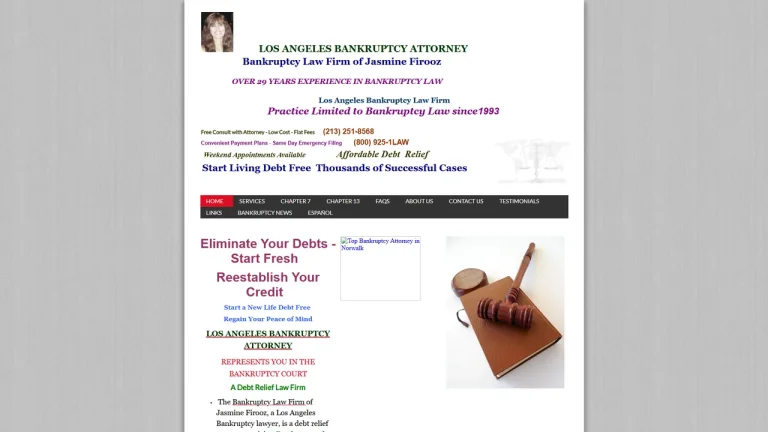
Bankruptcy Law Firm of Jasmine Firooz - Los Angeles, CA

The Blue Law Group Inc. - Rancho Cucamonga, CA

J. David Tax Law - Los Angeles, CA
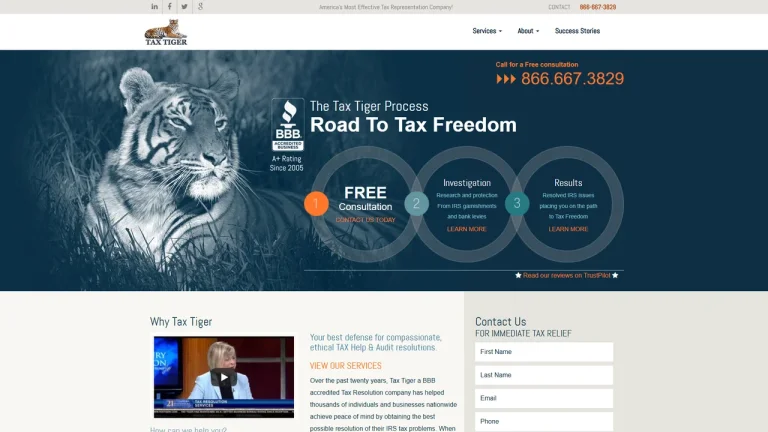
Tax Tiger, Sacramento, CA

Tax Relief Pros Bakersfield - CA
Akintimoye Sam - San Bernardino, CA

Abajian Law - Irvine, CA
K. S. Pomeroy Esq CPA MBA - Claremont, CA
Aquino CPA Law - Garden Grove, CA
Five Star Tax Resolution - Costa Mesa, CA
Law Offices of David C. Dodge - Irvine, CA
Wadhwani & Shanfeld - Long Beach Bankruptcy Lawyers - CA

Tax Law Care, APC - Irvine, CA

Ben-Cohen Law Firm, PLC - Los Angeles, CA
Tax Law Advocates - Irvine, CA
Navigating Federal IRS Controversies and Tax Litigation in California
Federal tax controversies in California require navigating the procedural machinery of the Internal Revenue Service, from local IRS field offices across Los Angeles, San Francisco, San Diego, and Sacramento to the IRS Independent Office of Appeals. Individuals and corporate entities face complex enforcement when audited or assessed with unpaid federal liabilities.
When audit adjustments cannot be resolved administratively, formal litigation proceeds before the United States Tax Court. Regular trial sessions in California are conducted at federal courthouses in Los Angeles, San Francisco, and San Diego. Alternatively, refund lawsuits or collection enforcement defense proceed in the U.S. District Courts for the Central, Northern, Eastern, and Southern Districts of California.
Attorneys admitted to practice before the United States Tax Court and The State Bar of California provide essential attorney-client privilege under federal law, shielding client communications during eggshell audits and criminal investigations initiated by IRS Criminal Investigation (IRS-CI). Retaining counsel ensures that federal rights are protected and prevents automatic piggyback assessments by California state agencies like the Franchise Tax Board.
California IRS Dispute Legal Fee Structures and Cost Expectations
| Case Scenario | Fee Structure | Estimated Cost (USD) | Key Cost Determinants |
|---|---|---|---|
| IRS Audit Defense & Appeals Representation | Hourly Rate ($350 - $750/hr) | $3,500 - $15,000+ | Unreported income claims, bank deposit reconstructions, substantiation records |
| IRS Offer in Compromise (OIC) & Penalty Abatement | Flat Fee or Retainer | $3,000 - $8,500 | Reasonable Collection Potential (RCP) calculations, equity in California real estate |
| Collection Due Process (CDP) Hearing & Levy Defense | Flat Fee or Hourly ($350 - $650/hr) | $2,500 - $7,000 | Notice of Intent to Levy urgency, lien subordinations, installment agreement negotiations |
| United States Tax Court Litigation | Retainer / Hourly ($400 - $800/hr) | $10,000 - $45,000+ | 90-day petition drafting, IRS counsel stipulations, pre-trial briefs, trial days |
Critical Legal Deadlines & Statutes in California IRS Disputes
Federal tax litigation enforces jurisdictional filing deadlines that cannot be extended. Under 26 U.S. Code § 6213, a taxpayer must file a petition with the United States Tax Court within 90 days from the date printed on the IRS Notice of Deficiency (90-day letter). Missing this statutory window eliminates access to Tax Court, requiring the taxpayer to pay the assessment in full before seeking a refund in federal district court.
Collection enforcement actions also carry rigid deadlines. A Collection Due Process (CDP) hearing must be formally requested within 30 days of receiving a Final Notice of Intent to Levy pursuant to 26 U.S. Code § 6330. Submitting a timely CDP request suspends all IRS levy and garnishment actions while preserving judicial appeal rights.
The IRS is governed by a ten-year Collection Statute Expiration Date (CSED) to collect assessed taxes under 26 U.S. Code § 6502, which can be tolled by bankruptcy, Offer in Compromise submissions, or CDP hearings. Furthermore, claims for tax refunds must be filed within three years from the date the return was filed or two years from when the tax was paid under 26 U.S. Code § 6511. Immediate representation ensures no deadline lapses.
Small Claims Limits vs. Professional Representation in California
The Small Claims Division of the California Superior Court ($12,500 limit under Cal. Civ. Proc. Code § 116.221) has zero legal authority over federal IRS controversies or Tax Court petitions. IRS audits and collections are governed exclusively by federal law (Title 26 of the United States Code).
While small tax claims before the U.S. Tax Court (cases under $50,000) can utilize simplified Small Tax Case ("S-case") procedures under 26 U.S. Code § 7463, S-case decisions are final and cannot be appealed to the U.S. Court of Appeals. Attempting to resolve complex federal tax issues pro se often leads to disastrous bank levies, wage garnishments, or unintended self-incrimination. A licensed California tax attorney provides strategic representation, negotiates directly with IRS Revenue Officers, and safeguards valuable assets like California home equity.
Red Flags When Hiring a California IRS Dispute Lawyer
- National tax relief telemarketing mills that promise pennies-on-the-dollar settlements without calculating your actual equity in California assets.
- Firms that employ non-attorney sales closers rather than licensed lawyers admitted to practice before the United States Tax Court.
- Failing to advise California taxpayers that federal audit adjustments automatically trigger secondary piggyback assessments from the Franchise Tax Board.
- Absence of an active license in good standing with The State Bar of California or presence of public disciplinary reprimands.
Frequently Asked Questions
What should I do if I receive an IRS Notice of Deficiency (90-Day Letter)?
You must file a petition with the United States Tax Court within exactly 90 days under 26 U.S. Code § 6213. This statutory deadline cannot be extended by IRS agents or the court.
How does an IRS audit affect my California state taxes?
Under California law, any federal tax adjustments made by the IRS must be reported to the Franchise Tax Board (FTB) within six months, or the FTB will issue secondary piggyback assessments with penalties.
What is a Collection Due Process (CDP) hearing?
A CDP hearing is a statutory appeal under 26 U.S. Code § 6330 requested within 30 days of a levy notice that stops IRS collection enforcement and allows you to propose installment agreements or an Offer in Compromise.
What is the IRS statute of limitations on tax collection?
Under 26 U.S. Code § 6502, the IRS has 10 years from the date of assessment (the Collection Statute Expiration Date, or CSED) to collect unpaid federal taxes before the debt expires.
Where are U.S. Tax Court hearings held in California?
The United States Tax Court conducts regular trial calendars in California across federal courthouses in Los Angeles, San Francisco, and San Diego.