
Bankruptcy Lawyers in Los Angeles
Finding experienced Los Angeles bankruptcy lawyers ensures your assets and income remain protected under California statutory exemptions during insolvency. Skilled legal counsel halts creditor harassment and resolves complex debt disputes through structured reorganization or liquidation. Explore our verified directory below to schedule a confidential consultation with trusted Los Angeles insolvency attorneys.
Bankruptcy Law Firm of Jasmine Firooz - Los Angeles, CA
Ensafi Law, PC - Los Angeles, CA

Khan Law - Los Angeles Bankruptcy Attorney - Los Angeles, CA
The Law Offices of Robert B. Sarvian APC - Los Angeles, CA

Vokshori Law Group - Los Angeles, CA
ACE Plus Tax Resolution - Los Angeles, CA
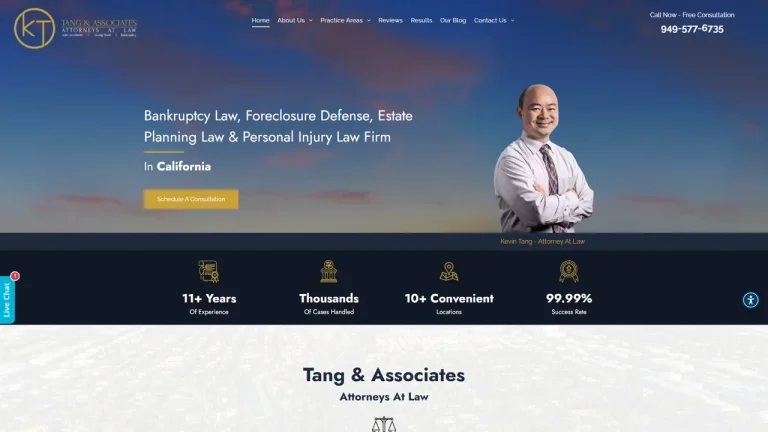
Tang & Associates - Los Angeles, CA
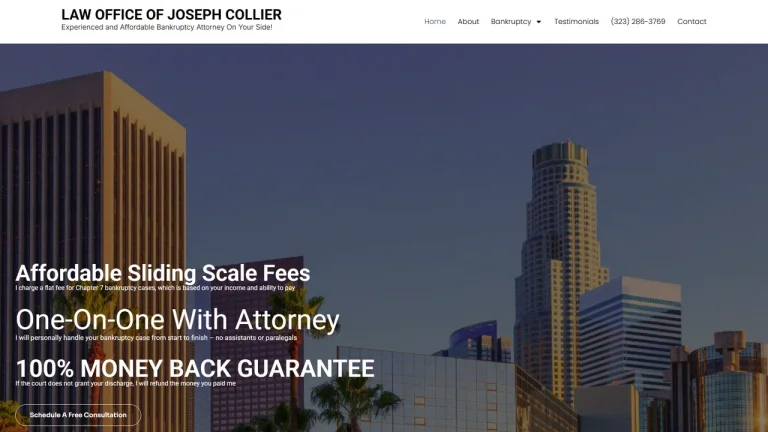
Law Office of Joseph Collier - Los Angeles, CA

Law Offices of Michael Jay Berger - Los Angeles, CA

Gomez Law, APC - Los Angeles, CA
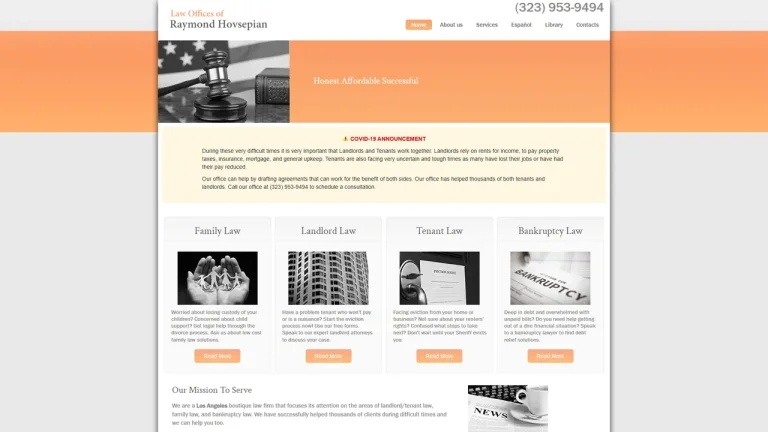
Law Offices of Raymond Hovsepian - Los Angeles, CA

Kostiv Cardinal Los Angeles - Los Angeles, CA

Rush Tax Resolution - Los Angeles, CA
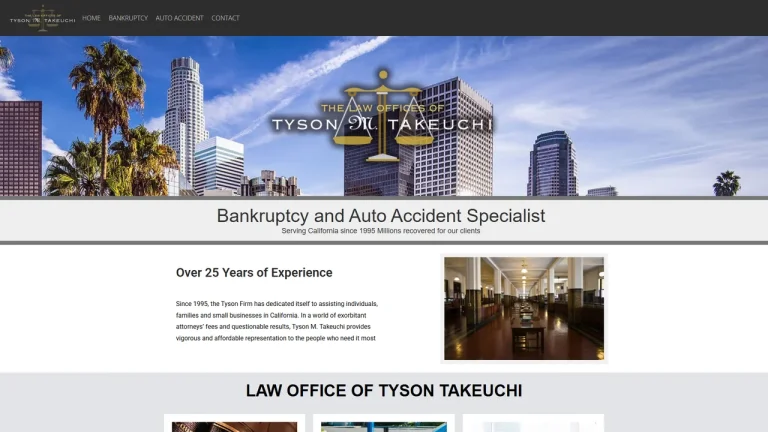
Tyson Takeuchi Law Offices - Los Angeles, CA
Holtz, Slavett, Drabkin & Warner, APLC - Los Angeles, CA
Tax Law Offices of David W. Klasing - Los Angeles, CA
Ghanooni Law Firm, APC - Los Angeles, CA
The Law Offices of John C. Lackner - Los Angeles, CA
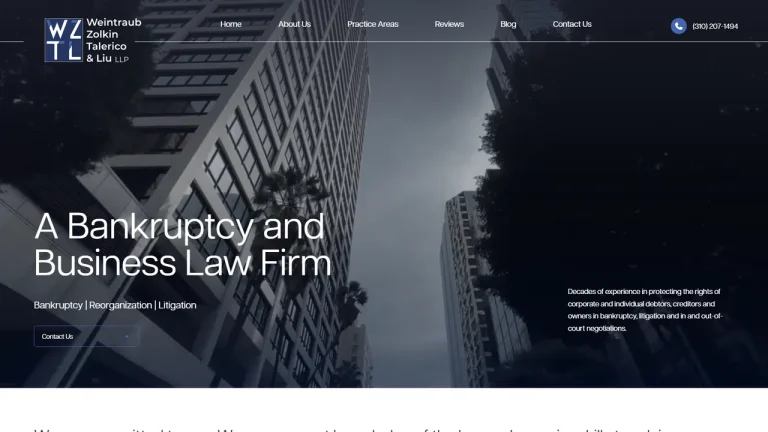
Weintraub Zolkin Talerico and Selth - Los Angeles, CA
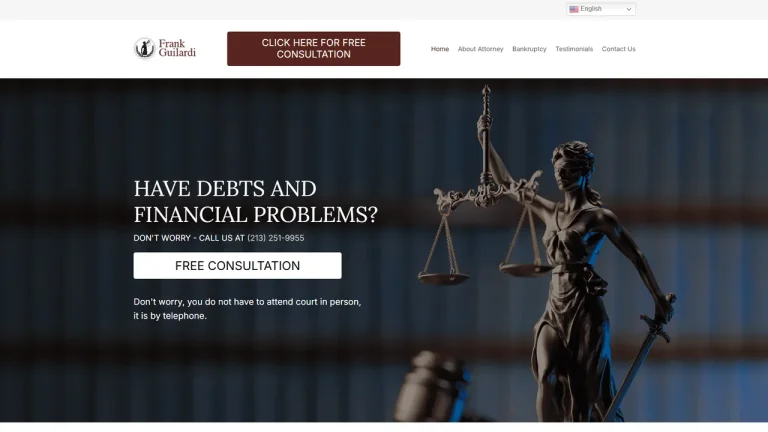
The Law Office of Attorney Frank Guilardi - Los Angeles, CA

Delia Law P.C. - Los Angeles, CA
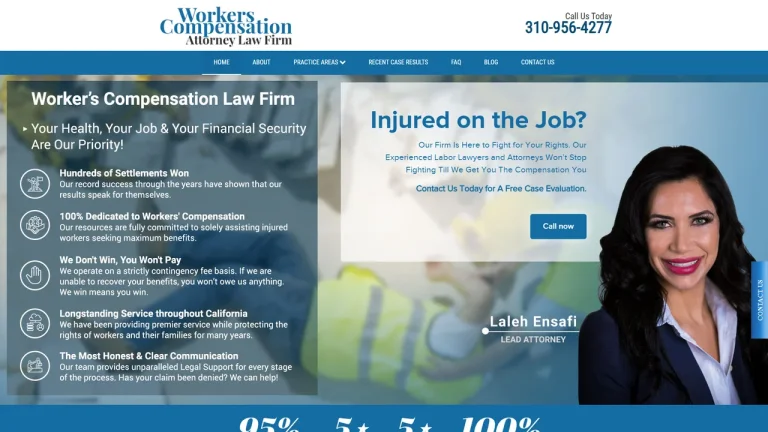
Law Office of Laleh Ensafi - Los Angeles, CA
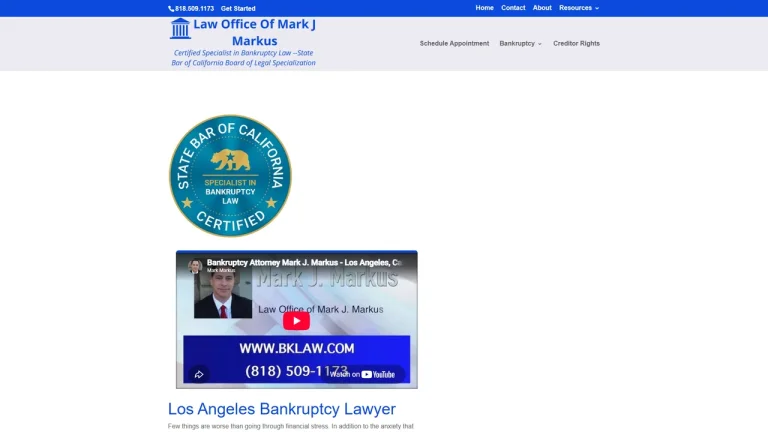
Law Office of Mark J. Markus - Los Angeles, CA
Navigating Bankruptcy in Los Angeles County Courthouses
Filing for personal or commercial bankruptcy in Los Angeles requires direct engagement with the federal judicial system rather than local county venues. All bankruptcy matters in the region fall under the exclusive jurisdiction of the United States Bankruptcy Court for the Central District of California, primarily adjudicated at the Edward R. Roybal Federal Building and United States Courthouse on East Temple Street in Downtown Los Angeles. This bustling venue serves debtors throughout Los Angeles County, from Pasadena and Glendale to the San Fernando Valley and Long Beach.
Retaining a qualified local bankruptcy attorney ensures that your petitions, schedules, and financial disclosures conform to Central District local rules and strict trustee oversight. Whether you are an individual pursuing liquidation or an enterprise restructuring operations, having an advocate grounded in the local bankruptcy bench protects you against immediate dismissal or unintentional asset forfeiture.
Local legal counsel communicates directly with regional bankruptcy trustees and United States Trustees headquartered in Los Angeles, conducting the mandatory 341 Meeting of Creditors smoothly while negotiating repayment plans that fit high local costs of living.
Typical Bankruptcy Attorney Fees and Case Scenarios in Los Angeles
| Case Scenario | Fee Structure | Estimated Cost (USD) | Key Cost Determinants |
|---|---|---|---|
| Chapter 7 Liquidation (Uncontested Consumer) | Flat Fee | $1,500 - $3,000 | Number of creditors, Means Test complexity, and presence of non-exempt property. |
| Chapter 13 Wage Earner Reorganization | Court-Approved Fee / Staged Payments | $4,500 - $6,500 | Mortgage cure requirements, priority tax debts, and Southern California median income calculations. |
| Chapter 11 Subchapter V (Small Business) | Retainer plus Hourly | $10,000 - $35,000 | Cash collateral negotiations, balance sheet complexity, and creditor committee oversight. |
| Adversary Proceedings & Litigation | Hourly ($350 - $650/hr) | $5,000 - $25,000 | Fraud allegations, preference claims, and non-dischargeability complaints. |
Critical Legal Deadlines & Statutes in California
Insolvency proceedings adhere to unyielding federal statutory timelines paired with California state property exemption laws. Once a petition is filed, the automatic stay under 11 U.S. Code § 362 immediately prohibits collection calls, wage garnishments, and pending foreclosure sales. The debtor must attend the Section 341 Meeting of Creditors mandated by Fed. R. Bankr. P. 2003, which typically occurs between 21 and 50 days after initial docketing.
Creditors facing discharge have exactly 60 days following the first date set for the 341 meeting to file an adversary complaint contesting dischargeability pursuant to Fed. R. Bankr. P. 4004. California debtors must elect between two statutory exemption systems under Cal. Civ. Proc. Code § 703.140, choosing either the traditional homestead exemption outlined in Cal. Civ. Proc. Code § 704.730-which shields substantial home equity based on local county medians-or the flexible wildcard exemption of System 2 to safeguard liquid bank funds, personal property, and business tools.
Small Claims Limits vs. Professional Bankruptcy Representation
The Los Angeles County Superior Court operates Small Claims divisions at courthouses such as the Stanley Mosk Courthouse in Downtown Los Angeles, where the monetary claim limit is capped at $12,500 for natural persons. Under Cal. Civ. Proc. Code § 116.530, attorneys are strictly prohibited from appearing on behalf of litigants during small claims trial hearings. While resolving an isolated breach of contract or unpaid minor debt can be addressed pro se in small claims, multi-creditor debt crises cannot be resolved within this venue.
Federal bankruptcy provides statutory powers that no small claims court possesses, including total discharge of unsecured liabilities, cram-downs on secured personal property, and restructuring past-due mortgage arrears. Filing pro se in the Central District of California exposes petitioners to case dismissal, loss of unprotected home equity, or unintentional perjury. Enlisting a licensed bankruptcy lawyer guarantees rigorous financial reporting, accurate exemption election, and comprehensive representation against aggressive creditor litigation.
Red Flags When Hiring a Los Angeles Bankruptcy Attorney
- Unlicensed Petition Preparers: Individuals or non-lawyer document preparers who cannot provide legal advice, represent you at court hearings, or defend you before the Central District panel trustee.
- High-Volume Bankruptcy Mills: Practices where consultations are handled entirely by sales intake staff and your assigned attorney does not review your schedules until the morning of your 341 examination.
- Guaranteed Discharge Promises: Any lawyer claiming an unqualified guarantee that every debt will be eliminated, disregarding statutory exceptions for child support, recent taxes, or student loans under federal law.
- Hidden Filing Add-Ons: Agreements that conceal mandatory court filing fees, credit counseling charges, and document retrieval expenses outside the initial quote.
Frequently Asked Questions
What is the primary difference between Chapter 7 and Chapter 13 bankruptcy in Los Angeles?
Chapter 7 bankruptcy is a liquidation proceeding designed to wipe out qualifying unsecured debts, such as credit card balances and personal loans, within three to five months, provided you pass the California Means Test. Chapter 13 bankruptcy is a court-supervised reorganization plan lasting three to five years, allowing individuals with regular income to catch up on delinquent mortgage payments and retain non-exempt property.
Can I keep my home in Los Angeles County when filing for bankruptcy?
Yes, many Los Angeles homeowners protect their residence by utilizing the California homestead exemption under Cal. Civ. Proc. Code § 704.730, which links protected equity to the county median home sales price up to statutory limits. If your equity exceeds the exemption threshold or you face active foreclosure, filing Chapter 13 allows you to cure missed mortgage payments over an extended repayment term while preventing foreclosure.
Where are bankruptcy hearings held for Los Angeles residents?
Official bankruptcy proceedings for Los Angeles County take place at the United States Bankruptcy Court for the Central District of California, located at the Edward R. Roybal Federal Building and United States Courthouse, 255 East Temple Street, Los Angeles, CA. While many routine 341 Meetings of Creditors are conducted telephonically or via videoconference, adversary trials and substantive motion hearings occur before federal bankruptcy judges at this downtown facility.
How does the California Means Test impact my Chapter 7 filing eligibility?
The Means Test compares your average gross household income over the preceding six months against the median income for a California household of equivalent size. If your earnings fall below the California median benchmark, you automatically qualify for Chapter 7. If your income surpasses the median, your attorney performs secondary expense deductions using local Los Angeles County living standards to determine if sufficient disposable income exists to fund a Chapter 13 plan.
Does filing bankruptcy immediately stop an ongoing wage garnishment in California?
Yes. Upon docketing your bankruptcy petition, the federal automatic stay under 11 U.S. Code § 362 takes effect immediately by operation of law. Your bankruptcy lawyer delivers formal notice of the bankruptcy filing to the Los Angeles County Sheriff's Department Court Services Division and your employer's payroll office, which halts earnings withholding orders and bank levies immediately.