
Business Formation Lawyers in Sacramento
Partnering with a knowledgeable business formation attorney in Sacramento establishes a strong legal foundation for your new commercial enterprise. Skilled corporate counsel drafts customized operating agreements and oversees compliance with California filing authorities, preventing future partner disputes and personal liability. Review our vetted directory below to connect with qualified Sacramento business attorneys.

The Law Office of Marc A. Caraska - Sacramento, CA

Real Estate Law Group LLP - Sacramento, CA

Law Office of Nirwan & Associates - Sacramento, CA
Goralka Law Firm PC - Sacramento, CA
Diepenbrock Elkin Dauer McCandless LLP - Sacramento, CA

Law Offices of Daniel H. Alexander - Sacramento, CA
California Legacy Law Firm APC, Sacramento, CA

Dahl Law Group Sacramento, CA
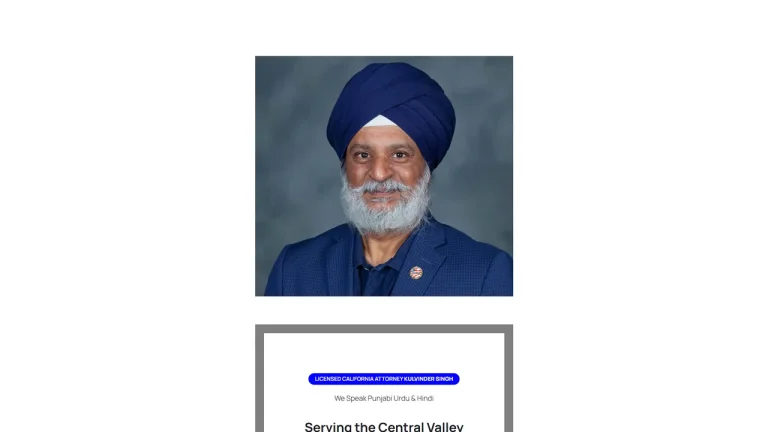
The Law Office of Suraj Raj Singh PC - Sacramento, CA

Krogh & Decker, LLP - Sacramento, CA

The Kingdom Attorneys, A.P.C. - Sacramento, CA

Smith McDowell & Powell, A Law Corporation - Sacramento, CA

Yee Law Group, Inc., Sacramento, CA

Taylor Chrisman Law, Sacramento, CA

Best Best and Krieger LLP - Sacramento, CA

Business and Real Estate Law Firm PC - Sacramento, CA

Duggan McHugh Law Corporation - Sacramento, CA

Weintraub Tobin - Sacramento, CA
The Law Office of Josiah Young, PC - Sacramento, CA

Michael A. Sawamura, Attorney at Law - Sacramento, CA

Megan Robin Law - Sacramento, CA

Legal Impressions Law Firm, APC - Sacramento, CA
Meissner Ruggles Thompson, Inc. - Sacramento, CA

Launching Commercial Ventures in the California Capital Region
Establishing an enterprise in Sacramento positions entrepreneurs at the regulatory core of California. The California Secretary of State headquarters, located at 1500 11th Street in Downtown Sacramento, serves as the definitive filing repository for all domestic and foreign business entities. Whether organizing a startup in Midtown, a commercial logistics operation in South Sacramento, or a healthcare practice in Natomas, choosing the appropriate corporate structure is critical.
Business formation requires far more than submitting basic organizational certificates. Entrepreneurs must navigate multifaceted state taxation frameworks governed by the California Franchise Tax Board (FTB) and sales tax permits administered by the California Department of Tax and Fee Administration (CDTFA), both centered in Sacramento County. Local compliance also involves registering Fictitious Business Names with the Sacramento County Clerk/Recorder.
Retaining an experienced Sacramento business formation lawyer ensures your articles of organization, corporate bylaws, shareholder buy-sell provisions, and proprietary operating agreements withstand judicial scrutiny. Thoughtful entity structuring shields your personal assets from corporate creditors and provides dispute resolution mechanisms that prevent costly litigation at the Gordon D. Schaber Sacramento County Courthouse.
Sacramento Business Formation Legal Fee Structures
| Case Scenario | Fee Structure | Estimated Cost (USD) | Key Cost Determinants |
|---|---|---|---|
| Single-Member Limited Liability Company (LLC) | Flat Fee | $850 - $1,750 | Articles of organization filing, single-member operating agreement, EIN acquisition, and initial Statement of Information submission. |
| Multi-Member LLC with Custom Operating Agreement | Flat Fee | $1,800 - $4,200 | Capital contribution tiers, profit distribution waterfalls, buyout formulas, voting rights, and transfer restrictions. |
| Corporate Incorporation (C-Corp / S-Corp Election) | Flat Fee | $2,000 - $4,800 | Corporate bylaws, stock issuance resolutions, shareholder agreements, board minutes, and federal tax classification elections. |
| Professional Corporation (PC / Moscone-Knox Act) | Flat Fee / Hourly | $2,500 - $5,500 | Compliance with California state licensing boards (medical, legal, dental, accounting) and statutory stock ownership restrictions. |
Critical Legal Deadlines & Statutes in California
Business formation in California is governed by comprehensive statutory frameworks that establish strict operational milestones. Limited liability companies are formed under the California Revised Uniform Limited Liability Company Act pursuant to Cal. Corp. Code § 17702.01 by filing Articles of Organization with the Secretary of State. Once registered, entities must file an initial Statement of Information under Cal. Corp. Code § 17702.09 within ninety days of formation.
California corporations are organized pursuant to the General Corporation Law codified in Cal. Corp. Code § 200. Corporations must adopt bylaws, appoint corporate officers, and issue shares under formal board resolutions pursuant to Cal. Corp. Code § 300 to preserve limited liability protections.
State taxation obligations are governed by Cal. Rev. & Tax. Code § 23153, which imposes an annual minimum franchise tax of $800 administered by the Franchise Tax Board. Furthermore, if a business operates under a name other than the legal entity name, it must record a Fictitious Business Name Statement with the Sacramento County Clerk within forty days of commencing operations and publish the filing in an adjudicated local newspaper within thirty days under Cal. Bus. & Prof. Code § 17917.
Small Claims Court Limits vs. Business Legal Counsel
Under Cal. Civ. Proc. Code § 116.221, the Small Claims Division of the Sacramento County Superior Court permits individuals to litigate claims up to $12,500. However, corporations, LLCs, and other legal entities are restricted to claims of $6,250 or less, and California law strictly prohibits corporations from being represented by legal counsel in small claims court hearings.
Relying on generic online formation websites to launch a company frequently results in defective corporate records, inadequate operating agreements, and failure to issue stock. In California, plaintiffs can pierce the corporate veil under the alter ego doctrine if corporate formalities are neglected, holding business owners personally liable for business debts and commercial lawsuits. Retaining a dedicated Sacramento business formation attorney ensures strict corporate governance, insulates personal wealth, and establishes enforceable contracts from day one.
Red Flags to Avoid When Selecting a Business Formation Attorney
Establishing an enterprise requires competent legal guidance. Guard against these common risks when choosing counsel:
- Standardized Template Mill Packages: Avoid law firms or automated services that provide one-size-fits-all agreements without customizing member buyout clauses, deadlock mechanisms, and capital calls.
- Ignoring California Franchise Tax Board Rules: An attorney should clearly advise you regarding state tax liabilities, including the annual $800 minimum franchise tax and first-year statutory rules.
- Overlooking Professional Licensing Restrictions: Licensed professionals in California (physicians, accountants, attorneys) cannot form standard LLCs and must comply with the Moscone-Knox Professional Corporation Act.
- Absence of Ongoing Corporate Governance Support: Forming the entity is merely the first step; your legal counsel should provide guidance for annual Statements of Information and corporate minutes.
Frequently Asked Questions
What is the California annual minimum franchise tax for LLCs and corporations?
Under Cal. Rev. & Tax. Code § 23153, business entities registered in California are subject to an annual minimum franchise tax of $800 paid to the Franchise Tax Board, regardless of whether the business generated income.
How do I file Articles of Organization for a California LLC in Sacramento?
Articles of Organization (Form LLC-1) are submitted to the California Secretary of State headquarters in Sacramento or electronically through the official bizfile California online portal pursuant to Cal. Corp. Code § 17702.01.
What is the deadline for filing the initial Statement of Information in California?
Pursuant to Cal. Corp. Code § 17702.09, limited liability companies must file their initial Statement of Information (Form LLC-12) with the Secretary of State within ninety days of official registration.
Can licensed California professionals form a standard LLC in Sacramento?
No. Under California law, licensed professionals such as physicians, dentists, psychologists, and attorneys cannot operate through standard LLCs and must organize as Professional Corporations (PC) or registered limited liability partnerships (LLP).
Why is a customized Operating Agreement essential for a multi-member LLC?
An operating agreement establishes voting rights, capital contribution requirements, profit distributions, and dispute buyout protocols, preventing default California statutory rules from governing internal business relationships.