
Business & Real Estate Lawyers in Sacramento
Connect with seasoned Sacramento business and real estate lawyers to handle commercial transactions, corporate structuring, and property disputes in California. Local attorneys provide strategic contract drafting, lease review, and pre-trial negotiation to resolve commercial conflicts while avoiding expensive courtroom trials. Explore our directory below to schedule a case review with leading legal counsel in Sacramento.

Tong Law - Sacramento, CA

The Law Offices of Taylor P. Call - Sacramento, CA
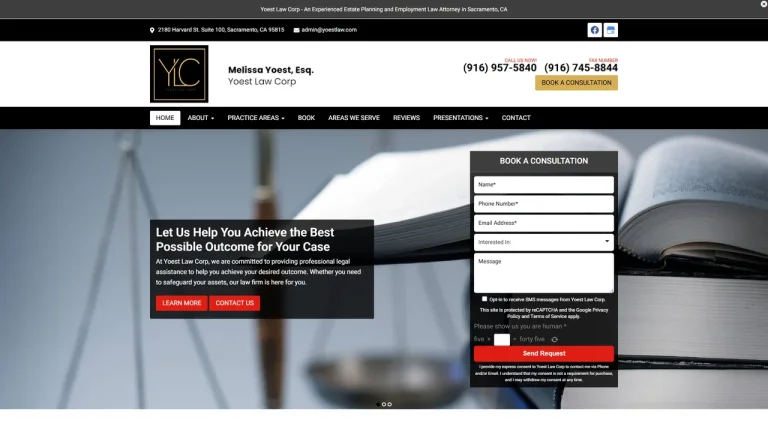
Yoest Law Corp, Sacramento, CA
Business and Real Estate Law Firm PC - Sacramento, CA

Law Office of Vincent Van Ho Sacramento, CA

Drobny Law Offices - Sacramento, CA

Real Estate Law Group LLP - Sacramento, CA

Krogh & Decker, LLP - Sacramento, CA

Asbill Law Group, APLC - Sacramento, CA

Feist Griffith, LLP - Sacramento, CA

York Law Firm - Sacramento, CA

Abdallah Law Group P.C. - Sacramento, CA

Cook Brown LLP - Sacramento, CA
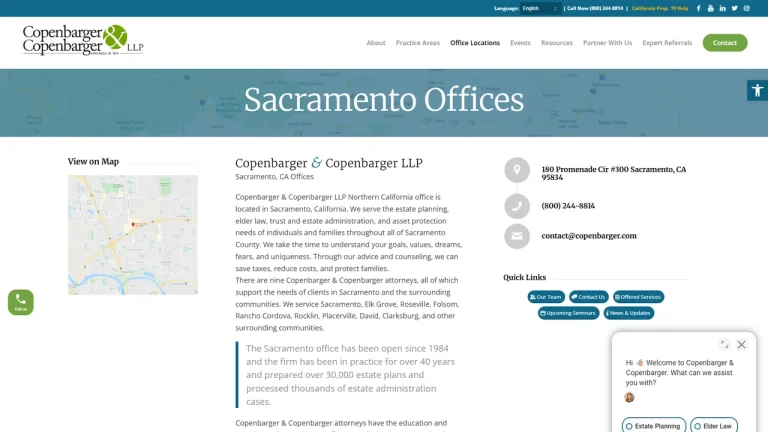
Copenbarger & Copenbarger LLP - Sacramento, CA
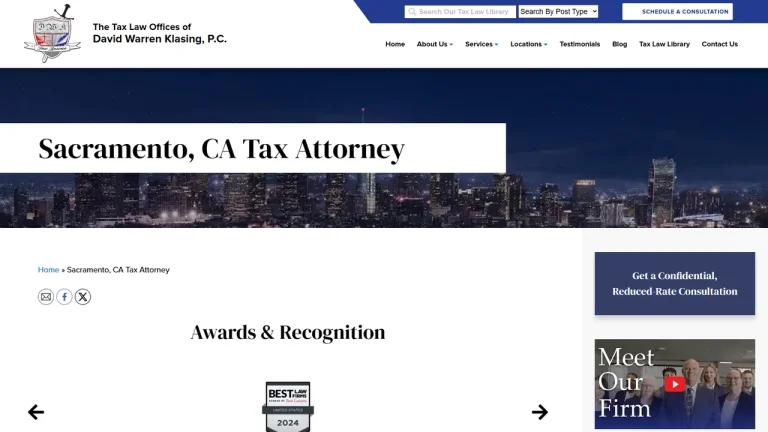
The Tax Law Offices of David W Klasing - Sacramento, CA

Duggan McHugh Law Corporation - Sacramento, CA

Smith McDowell & Powell, A Law Corporation - Sacramento, CA

Guillemaud Law Boutique, P.C. - Sacramento, CA

O'Banion & Ritchey LLP - Sacramento, CA

Reed Williams, A Professional Law Corporation - Sacramento, CA
Law Office of George T. Burke Sacramento, CA

HKM Employment Attorneys LLP - Sacramento, CA

Legal Impressions Law Firm, APC - Sacramento, CA

Commercial and Real Estate Legal Jurisdiction in Sacramento County
Sacramento functions as both the state capital and the primary economic engine of the Central Valley. Business and real estate matters within Sacramento County operate under rigorous California statutory frameworks and local municipal codes. Civil actions, corporate litigation, and complex property disputes are adjudicated within the Sacramento County Superior Court, with main civil departments headquartered at the Gordon D. Schaber Courthouse at 720 9th Street in Downtown Sacramento.
From commercial redevelopments along the R Street Corridor and Downtown Sacramento to industrial facilities in Rancho Cordova and retail centers across Elk Grove and Natomas, business ventures require rigorous contractual and transactional protection. Real property matters involving title defects, purchase disputes, and commercial lease enforcement require counsel well-versed in local planning divisions, Sacramento County recording practices, and California real property jurisprudence.
Whether structuring a new limited liability company, negotiating a triple net (NNN) commercial lease, or litigating a breach of contract claim, local counsel provides vital risk mitigation. Engaging an experienced Sacramento attorney early ensures statutory compliance and protects corporate assets against avoidable liability.
Business & Real Estate Legal Fee Structures in Sacramento County
| Case Scenario | Fee Structure | Estimated Cost (USD) | Key Cost Determinants |
|---|---|---|---|
| Entity Formation (LLC / Corporation) & Governance | Flat Fee | $1,500 - $4,500 | Number of shareholders/members, complexity of operating agreements, and buy-sell provisions. |
| Commercial Lease Negotiation & Drafting (NNN / Office) | Flat Fee or Hourly | $2,000 - $6,500 | Square footage, tenant improvement allowances, personal guarantee clauses, and CAM provisions. |
| Commercial Breach of Contract Litigation | Hourly Retainer ($350 - $600/hr) | $12,000 - $50,000+ | Volume of documentary discovery, depositions, summary judgment motions, and expert witness testimony. |
| Real Property Purchase Dispute & Quiet Title Action | Hourly Retainer ($375 - $650/hr) | $8,500 - $35,000+ | Title cloud complexity, lis pendens filings, land survey verification, and settlement conference outcomes. |
Critical Legal Deadlines & Statutes in California
California imposes strict statutes of limitations on commercial and real estate controversies. Failure to initiate legal action within these statutory periods bars recovery permanently under California procedural law.
Actions for breach of a written contract or commercial lease must be filed within four years of the breach under Cal. Civ. Proc. Code § 337. For oral agreements, the statutory limitation period is limited to two years pursuant to Cal. Civ. Proc. Code § 339. In real estate disputes involving fraudulent non-disclosure or intentional misrepresentation in property transactions, plaintiffs have three years to file under Cal. Civ. Proc. Code § 338(d), running from discovery of the fraud. Commercial landlord remedies upon tenant default and abandonment are governed by Cal. Civ. Code § 1951.2. In construction and property improvement disputes, contractors and suppliers must enforce recorded mechanic's liens within 90 days of recording pursuant to Cal. Civ. Code § 8460. In real estate litigation, recording a notice of pending action (lis pendens) under Cal. Civ. Proc. Code § 405.20 provides formal public notice of title claims.
Small Claims Limits vs. Superior Court Commercial Litigation
Small monetary claims in Sacramento County are heard at the Carol Miller Justice Center on B Street. In California, individual litigants may seek up to $12,500 in small claims court, while corporate entities and LLCs are limited to $6,250 under Cal. Civ. Proc. Code § 116.220. Pursuant to Cal. Civ. Proc. Code § 116.530, attorneys are prohibited from appearing on behalf of parties in small claims hearings, requiring corporate representatives to present claims pro se.
When business or real estate disputes exceed the small claims threshold or demand equitable relief-such as contract rescission, specific performance, or boundary injunctions-the lawsuit must be filed in the Sacramento County Superior Court. Claims up to $35,000 are categorized as Limited Civil actions, while disputes exceeding $35,000 proceed as Unlimited Civil matters at the Gordon D. Schaber Courthouse. Navigating formal discovery, depositions, and summary adjudication in Unlimited Civil cases requires experienced legal counsel.
Red Flags When Hiring a Sacramento Business & Real Estate Attorney
- Generic Transactional Templates: California real estate and corporate law contain unique statutory disclosure and indemnification requirements. Avoid firms that rely on standard national forms without tailoring them to California codes.
- Lack of Trial Court Experience: While transactional proficiency is essential, your attorney should possess demonstrable courtroom litigation experience in Sacramento County Superior Court if negotiations break down.
- Unclear Billing and Fee Agreements: Beware of law firms that do not provide clear retainer contracts detailing hourly rates, billing increments, and expected costs for third-party title examiners or expert witnesses.
- Failure to Address Potential Conflicts: In a regional market like Sacramento, attorneys must conduct thorough conflict checks to confirm they do not represent opposing property developers, brokers, or corporate entities.
Frequently Asked Questions
Where are commercial and business lawsuits filed in Sacramento?
Commercial litigation and civil real estate lawsuits in Sacramento County are filed with the Sacramento County Superior Court, primarily heard at the Gordon D. Schaber Courthouse located at 720 9th Street in Downtown Sacramento.
What is the difference between Limited and Unlimited Civil litigation in California?
Limited Civil cases involve claims of $35,000 or less and feature streamlined discovery and limits on depositions. Unlimited Civil matters involve amounts exceeding $35,000 or requests for equitable relief, allowing full discovery and jury trials.
Can a corporate entity be represented by an attorney in California Small Claims Court?
No. Under Cal. Civ. Proc. Code § 116.530, attorneys cannot represent corporations or individuals in small claims hearings. A corporate officer, director, or designated regular employee must appear pro se, though lawyers may advise before the hearing.
What is a lis pendens and why is it important in real estate disputes?
A lis pendens is a formal notice recorded with the Sacramento County Clerk-Recorder pursuant to Cal. Civ. Proc. Code § 405.20. It notifies potential buyers and lenders of a pending lawsuit affecting title to real property, effectively preventing a sale or refinancing during litigation.
Can a commercial landlord recover future lost rent after a tenant defaults?
Yes. Under Cal. Civ. Code § 1951.2, if a commercial tenant breaches and abandons the property, the landlord can recover unpaid past rent plus the worth of the balance of future lease rent, subject to the landlord's statutory duty to mitigate damages.