
Financial & IP Lawyers in Sacramento
Connect with leading financial and IP lawyers in Sacramento to protect proprietary assets, navigate state regulatory compliance, and secure patents and trademarks. Skilled legal counsel helps innovative businesses navigate state agency mandates and commercial disputes through proactive licensing and out-of-court resolutions. Review our vetted directory below to consult with top-rated Sacramento corporate and IP attorneys.
Hefner Stark and Marois, Sacramento, CA
Dennis A. DeBoo & Co. - Sacramento, CA
California Legacy Law Firm APC, Sacramento, CA

Avan Law Office Bankruptcy Attorneys - Sacramento, CA
MW Attorney - Sacramento, CA

Legal Services of Northern California - Sacramento, CA
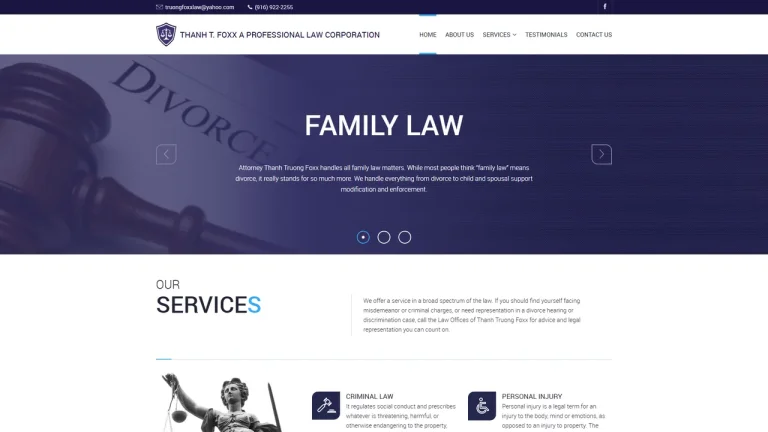
Foxx Thanh T. - Sacramento, CA
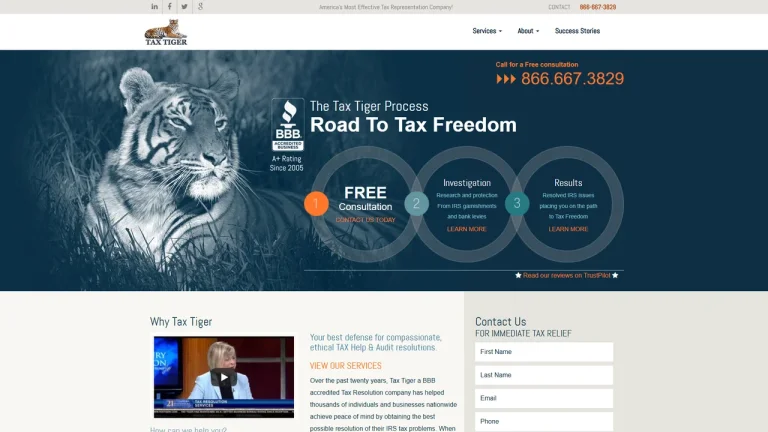
Tax Tiger, Sacramento, CA

Firm for the Culture - Sacramento, CA
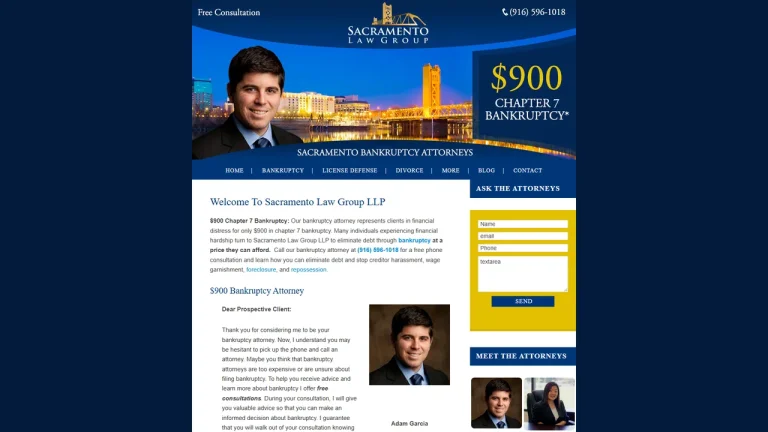
Sacramento Law Group LLP - Sacramento, CA
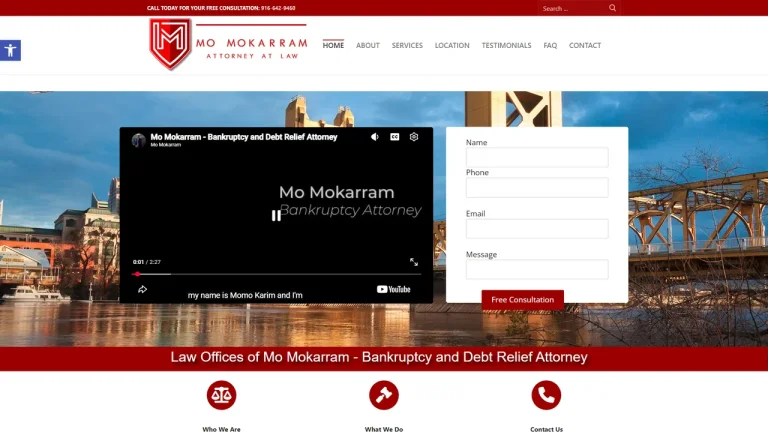
Law Offices of Mo Mokarram Sacramento, CA
Law Office of Kristina M. Reed, PC Sacramento, CA

Patent and Intellectual Property Law Office of Mark C. Jacobs - Sacramento, CA
Barry H Spitzer Law Office - Sacramento, CA

Law Office of Lisa K. McKee - Sacramento, CA
Law Offices of Gabriel Liberman, APC - Sacramento, CA
Law Offices of Matthew D. Roy, Sacramento, CA
Pillsbury Winthrop Shaw Pittman LLP - Sacramento, CA
CunninghamLegal - Sacramento, CA
Bold Patents Law Firm - Sacramento, CA

Macey Bankruptcy Law - Sacramento Bankruptcy - Sacramento, CA
Guiding Legal Counsel, APC - Sacramento, CA

O'Banion & Ritchey LLP - Sacramento, CA
Navigating Financial and Intellectual Property Law in Sacramento
Sacramento serves as California's political capital and regulatory hub, creating a distinct legal climate for enterprises dealing with financial compliance and intellectual property. From agricultural technology and life sciences emerging along the Highway 50 corridor to expanding fintech and software firms in Downtown and Midtown Sacramento, businesses must coordinate their operational strategies under the direct oversight of agencies such as the California Department of Financial Protection and Innovation (DFPI) and the California Secretary of State.
Intellectual property enforcement, patent infringement litigation, federal trademark disputes, and interstate financial conflicts fall under the jurisdiction of the United States District Court for the Eastern District of California, located at the Robert T. Matsui United States Courthouse on I Street in Downtown Sacramento. Meanwhile, state-level commercial lending disputes, trade secret claims, and contract actions are handled by the Sacramento County Superior Court at the Gordon D. Schaber Courthouse on 9th Street, utilizing the court's Odyssey eFileCA electronic platform.
Engaging a knowledgeable Sacramento financial and IP attorney allows organizations in Elk Grove, Folsom, Roseville, and Rancho Cordova to structure commercial credit agreements, safeguard proprietary code, register service marks, and navigate aggressive trade secret misappropriation claims before dispute escalation creates severe balance sheet liability.
Sacramento Financial & IP Legal Fee Structures
| Case Scenario | Fee Structure | Estimated Cost (USD) | Key Cost Determinants |
|---|---|---|---|
| State & Federal Trademark Clearance & Filing | Flat Fee / Hourly | $1,200 - $3,500 + filing fees | Number of international trademark classes, USPTO office actions, specimen preparation. |
| Commercial Credit Facility & DFPI Regulatory Filing | Hourly Rate | $375 - $650 per hour | Complexity of lending instruments, UCC-1 financing statements, state licensing exemptions. |
| Trade Secret & Restrictive Covenant Litigation | Hourly with Retainer | $15,000 - $60,000+ retainer | Temporary restraining order filings, digital forensic discovery, preliminary injunction hearings. |
| Eastern District Patent / Copyright Action | Hourly / Hybrid | $450 - $850 per hour | Technical expert witness testimonies, Markman hearing preparation, deposition volume. |
Critical Legal Deadlines & Statutes in California
Sacramento business leaders and IP owners face clear statutory deadlines when asserting financial or proprietary claims. Under the California Uniform Trade Secrets Act, codified at Cal. Civ. Code § 3426.6, an action for trade secret misappropriation must be commenced within 3 years after the misappropriation is discovered or reasonably should have been discovered.
For financial litigation stemming from written debt instruments or loan guarantees, Cal. Civ. Proc. Code § 337 provides a 4-year statute of limitations for breach of written contract. Oral financing commitments are subject to a 2-year window pursuant to Cal. Civ. Proc. Code § 339, while actions for commercial fraud or negligent misrepresentation must be filed within 3 years under Cal. Civ. Proc. Code § 338. State-level trademark registrations filed with the California Secretary of State are governed by the Model State Trademark Law in Cal. Bus. & Prof. Code § 14200 and remain effective for a 5-year term before formal renewal is required. Consumer lending and investment advisors in the region must also maintain strict compliance with the California Consumer Financial Protection Law under Cal. Fin. Code § 90000.
Sacramento Small Claims Limitations vs. Professional Counsel
The Small Claims Division of the Sacramento County Superior Court operates under Cal. Civ. Proc. Code § 116.220, capping individual recovery at $12,500 and corporate or commercial entities at $6,250. Attorneys are strictly barred by California procedural law from representing clients inside the small claims courtroom.
While small claims court provides an avenue for collecting modest, unpaid promissory notes below the statutory cap, financial instruments and intellectual property matters rarely fit within this framework. Small claims courts lack the equitable jurisdiction to issue preliminary injunctions against trademark counterfeiting, enforce trade secret protection orders, or adjudicate patent infringement claims, which remain under exclusive federal jurisdiction. When brand equity, investor capital, or trade secrets are threatened, retaining Sacramento legal counsel to file in the Gordon D. Schaber Courthouse or the Robert T. Matsui United States Courthouse is necessary to secure emergency injunctive relief.
Red Flags to Avoid When Selecting Financial & IP Lawyers
- Law firms promising guaranteed trademark or patent issuances without conducting comprehensive clearance searches across state, federal, and common-law registries.
- General practice attorneys who offer patent drafting services without being registered patent attorneys before the United States Patent and Trademark Office (USPTO).
- Legal advisors lacking familiarity with regulatory enforcement actions initiated by the California Department of Financial Protection and Innovation (DFPI) in Sacramento.
- Retainer contracts with unclear cost structures that blend legal service fees with mandatory USPTO filing costs or third-party forensic accounting charges.
Frequently Asked Questions
Where are federal intellectual property lawsuits filed in Sacramento?
Federal patent, copyright, and Lanham Act trademark disputes originating in Sacramento County are filed with the United States District Court for the Eastern District of California, located at the Robert T. Matsui United States Courthouse in Downtown Sacramento.
What is the difference between a California trademark and a federal trademark?
A California trademark registered through the California Secretary of State grants protection strictly within the state's borders under California Business and Professions Code. A federal trademark registered through the USPTO provides nationwide priority and protection across all interstate commerce.
Which government agency regulates commercial lenders and fintech in Sacramento?
The California Department of Financial Protection and Innovation (DFPI), headquartered in Sacramento, regulates state-chartered banks, credit unions, finance lenders, investment advisors, and fintech entities operating under the California Financing Law.
Can a trade secret dispute be resolved without formal trial in Sacramento?
Yes. Many Sacramento trade secret disputes are resolved through pre-trial mediation, negotiated settlement agreements, and non-disclosure settlements before proceeding to trial at the Gordon D. Schaber Courthouse.
How does California law treat employee non-compete agreements in IP protection?
Under California Business and Professions Code, non-compete agreements are void and unenforceable as a matter of public policy. Sacramento employers protect their intellectual property through robust non-disclosure agreements, confidentiality policies, and trade secret actions under the California Uniform Trade Secrets Act rather than non-competes.