
Business & Real Estate Lawyers in Whittier
Securing a strategic Whittier business and real estate attorney protects your commercial transactions, lease agreements, and property investments under California statutory law. Experienced commercial litigators regularly resolve boundary, partnership, and contract disputes through structured mediation, avoiding costly courtroom confrontation. Browse our verified directory below to consult with trusted Los Angeles County legal practitioners today.

Allemand Law APC - Whittier, CA

The Law Office of Terrence Jones - Whittier, CA
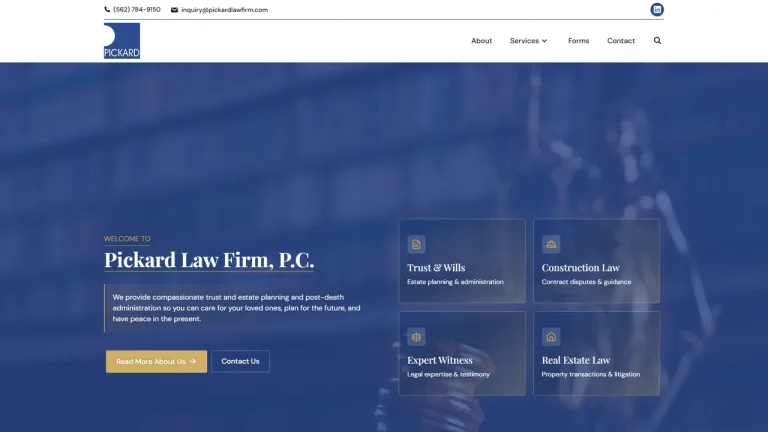
Pickard Law Firm - Whittier, CA
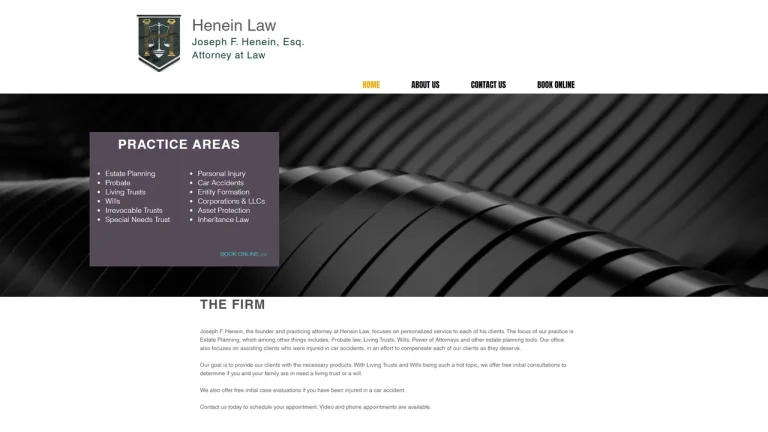
Law Office of Joseph F. Henein - Whittier, CA

Law Office Of Robert L. Haendiges - Whittier, CA
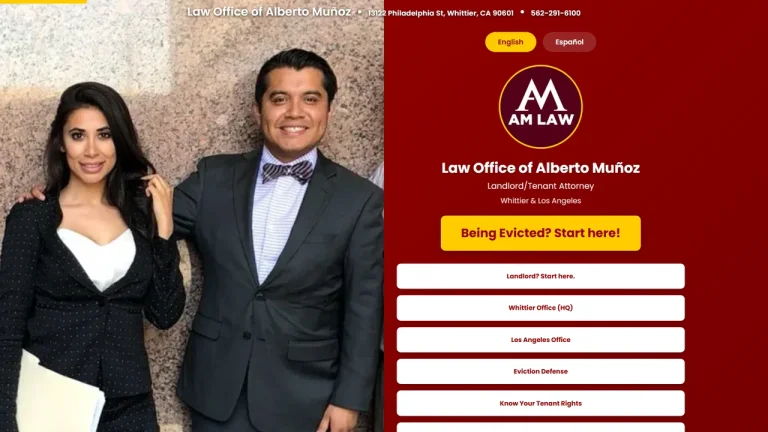
Law Office of Alberto Muñoz - Whittier, CA

The Law Offices of Michael S. Magnuson - Whittier, CA
Law Office of Darin W. Barber, Esq. - Whittier, CA

Commercial Enterprise & Real Estate Governance in Whittier
Whittier represents a dynamic commercial and real estate marketplace in Southeast Los Angeles County. From the historic retail and dining storefronts in Uptown Whittier along Greenleaf Avenue to commercial centers along Whittier Boulevard and industrial parks bordering Santa Fe Springs and Pico Rivera, business owners and property investors navigate intricate California corporate and real property statutes.
Commercial litigation, contract enforcement, and real estate title conflicts in Whittier fall within the jurisdiction of the Los Angeles County Superior Court. General civil actions and commercial contract disputes are heard at the Norwalk Courthouse (Southeast District) or transferred to specialized civil departments at the Stanley Mosk Courthouse in Downtown Los Angeles. Real estate recordings and title filings are processed through the Los Angeles County Registrar-Recorder/County Clerk, headquartered nearby in Norwalk.
Retaining a knowledgeable Whittier business and real estate lawyer gives corporate entities, commercial landlords, and developers a vital tactical edge. Whether drafting airtight LLC operating agreements, negotiating triple-net commercial leases, or addressing municipal zoning ordinances, local counsel provides the foresight needed to shield assets and mitigate dispute risks.
Business & Real Estate Legal Fee Schedules
| Case Scenario | Fee Structure | Estimated Cost (USD) | Key Cost Determinants |
|---|---|---|---|
| California LLC Formation & Operating Agreement | Flat Fee | $1,500 - $3,500 | Member-managed vs manager-managed structure, capital contribution terms, buyout triggers, tax election advisory. |
| Commercial Lease Review & Negotiation | Flat Fee / Hourly ($375 - $650/hr) | $2,000 - $5,000 | Square footage, triple-net (NNN) pass-through provisions, common area maintenance (CAM) audits, personal guarantees. |
| Quiet Title & Boundary Dispute Litigation | Hourly Retainer | $8,500 - $30,000+ | Surveyor technical reports, historical easement research, Lis Pendens recordation, adverse possession evidence. |
| Breach of Commercial Contract Litigation | Hourly Retainer | $25,000 - $100,000+ | Volume of documentary discovery, forensic accounting of lost business profits, deposition schedules, pre-trial motion practice. |
Critical Legal Deadlines & Statutes in California
California business and property transactions are subject to rigorous statutory timeframes. Under Cal. Civ. Proc. Code § 337, an action based on a breach of a written contract must be commenced within four years of the breach. In contrast, actions arising from oral agreements carry a strict two-year limitation under Cal. Civ. Proc. Code § 339.
Real estate disclosure requirements are codified under Cal. Civ. Code § 1102, which mandates that sellers of residential real property provide buyers with a comprehensive Real Estate Transfer Disclosure Statement (TDS) detailing known physical and environmental defects. Failing to disclose known defects exposes sellers to liability for fraud and rescission within three years of discovery under Cal. Civ. Proc. Code § 338.
Corporate governance for limited liability companies is governed by the California Revised Uniform Limited Liability Company Act under Cal. Corp. Code § 17701.01. In construction and development matters, contractors and suppliers must enforce mechanics liens by filing a formal foreclosure lawsuit within 90 days of recording the lien pursuant to Cal. Civ. Code § 8460. Commercial lease remedies and summary eviction procedures are governed by Cal. Civ. Proc. Code § 1161.
Small Claims Limits vs. Superior Court Commercial Litigation
California Small Claims Court operates with a maximum claim limit of $12,500 for natural persons and $6,250 for corporations or corporate entities under Cal. Civ. Proc. Code § 116.221. Legal representation by attorneys during small claims hearings is expressly prohibited by Cal. Civ. Proc. Code § 116.530.
While small claims court provides an accessible venue for resolving isolated commercial collection accounts or basic tenant security deposit claims, serious business and real estate disputes require full representation in the Los Angeles County Superior Court. Small claims judges cannot award equitable remedies such as specific performance to compel a real estate transfer, issue preliminary injunctions against partnership misconduct, or record a Notice of Pendency of Action (Lis Pendens) against real property title. Resolving complex commercial conflicts requires formal discovery, expert appraisals, and courtroom presentation by experienced counsel.
Red Flags When Hiring Business & Real Estate Counsel
- Attorneys relying on generic internet-sourced legal forms that fail to comply with specific California Civil Code property disclosure mandates.
- Lawyers who fail to immediately record and serve a Lis Pendens during title disputes, exposing the subject property to unauthorized third-party transfers.
- Practitioners lacking trial experience in the Los Angeles County Superior Court Southeast District or complex civil divisions.
- Firms providing ambiguous billing estimates without detailed line-item statements for attorney time, court filings, and expert witness retainers.
Frequently Asked Questions
What is the statute of limitations for breach of contract in California?
Under Cal. Civ. Proc. Code § 337, you have four years to file a lawsuit for breach of a written contract. For oral contracts, the deadline is two years pursuant to Cal. Civ. Proc. Code § 339.
What mandatory disclosures must property sellers provide in California?
Under Cal. Civ. Code § 1102, residential sellers must complete a Real Estate Transfer Disclosure Statement disclosing material defects, structural hazards, unpermitted construction, and neighborhood nuisance issues.
Can a corporation be represented by a lawyer in Small Claims Court?
No. Under Cal. Civ. Proc. Code § 116.530, attorneys cannot represent parties at small claims hearings. A corporation must be represented by an officer, director, or employee designated in writing.
What is a Lis Pendens and why is it important in real estate disputes?
A Lis Pendens is an official notice recorded with the Los Angeles County Registrar-Recorder giving public notice that real property title or possession is subject to pending litigation, effectively preventing the owner from selling or encumbering the asset.
What laws govern limited liability companies in California?
California LLCs are governed by the California Revised Uniform Limited Liability Company Act under Cal. Corp. Code § 17701.01, which regulates operating agreements, fiduciary duties, member voting rights, and corporate dissolution.