
Business & Real Estate Lawyers in Colorado
Engaging a qualified Colorado business and real estate lawyer protects your commercial investments, corporate governance, and property transactions under state statutes. Dedicated legal representation mitigates risk during contract drafting, land use hearings, and commercial leasing while resolving disputes effectively. Browse our directory to connect with trusted real estate and corporate attorneys across Colorado.

Medina & Jimenez Law LLC - Pueblo, CO

Bordeaux & Boyes, LLC - Fort Collins, CO

Lyda Law Firm - Denver, CO
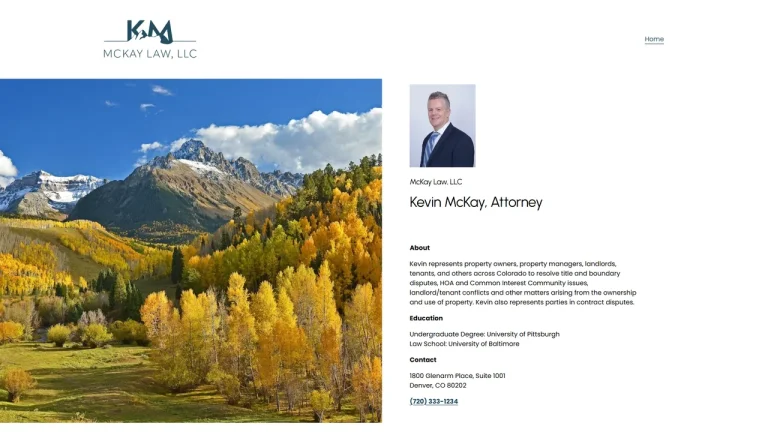
McKay Law, LLC - Denver, CO
Robert B. Keyser II, LLC - Colorado Springs, CO

Beem and Isley, P.C. - Denver, CO

Goldberg Law Center, P.C. - Colorado Springs, CO

Branaugh Law Office, P.C. - Arvada, CO

The Hill Law Firm LLC - Fort Collins, CO

Hoffman Law Firm - Fort Collins, CO

Holland & Hart LLP - Boulder, CO
Gravis Law, PLLC - Colorado Springs, CO

Stone, Rosen & Fuller, PC - Boulder, CO
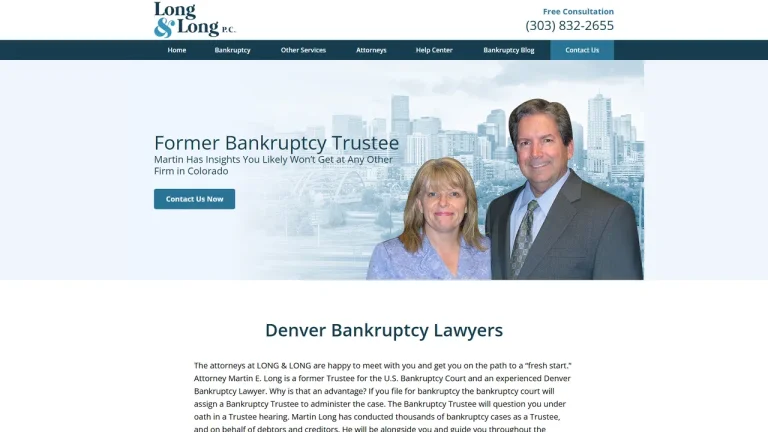
Long & Long P.C. - Denver, CO
Arckey & Steele Injury and Civil Rights Lawyers - Denver, CO
Troxel Fitch, LLC - Denver, CO

LaszloLaw - Boulder, CO

Okunade, LLP - Denver, CO
Urban Law - Denver, CO
The McClellan Law Firm, LLC - Arvada, CO
Enichen Law Office, LLC - Boulder, CO
Law Office of James Newell - Boulder, CO

Business and Technology Legal Group - Denver, CO
Commercial and Real Property Legal Frameworks Across Colorado
Commercial ventures and real property investments throughout Colorado operate under a sophisticated statutory environment governed by state District Courts and executive agencies. From corporate formations filed with the Colorado Secretary of State in Denver to real estate title disputes litigated in the 2nd Judicial District in Denver, the 4th Judicial District in Colorado Springs, the 18th Judicial District in Arapahoe County, and the 20th Judicial District in Boulder, navigating statutory compliance requires localized legal proficiency.
Colorado real property transactions involve distinct regional requirements, including unique water rights administered by specialized Colorado Water Courts, municipal development regulations in thriving commercial centers such as Fort Collins and Lakewood, and mandatory disclosure forms approved by the Colorado Real Estate Commission. Commercial entities organized under the Colorado Business Corporations Act or the Colorado Limited Liability Company Act rely on commercial counsel to draft comprehensive operating agreements, manage mergers, and preserve corporate liability shields.
When business or real estate conflicts arise-including commercial lease defaults, mechanic's lien foreclosures, or construction defect litigation-experienced attorneys utilize the Colorado Courts E-Filing system and alternative dispute mechanisms to safeguard capital. Early legal intervention prevents lengthy civil litigation and mitigates personal exposure for corporate directors and property owners.
Fee Structures for Colorado Business & Real Estate Legal Services
| Case Scenario | Fee Structure | Estimated Cost (USD) | Key Cost Determinants |
|---|---|---|---|
| Entity Formation & Operating Agreement Drafting | Flat Fee or Retainer | $1,200 - $3,500 | Corporate structure complexity, multi-member buy-sell provisions, Colorado Secretary of State filing fees. |
| Commercial Lease Review & Real Estate Purchase Agreement | Hourly or Capped Flat Fee | $2,000 - $6,000 | Property valuation, tenant improvements, title exceptions, environmental liabilities, municipal zoning covenants. |
| Breach of Contract & Commercial Partnership Litigation | Hourly Retainer ($325 - $550/hr) | $10,000 - $40,000+ | Scope of electronic discovery, expert forensic witness testimony, motion practice, trial duration in District Court. |
| Mechanic's Lien Enforcement & Quiet Title Action | Flat Fee plus Hourly | $2,500 - $8,500 | Title search depth, notice of intent compliance, multiple encumbrances, county clerk recording logistics. |
Critical Legal Deadlines & Statutes in Colorado
Commercial transactions and real estate matters in Colorado are subject to rigid statutory deadlines that directly affect property rights and judicial remedies. Missing these statutory time limits can permanently forfeit claims:
- Breach of Contract Actions: Lawsuits founded on contract or breach of contract must be commenced within 3 years under Colo. Rev. Stat. § 13-80-101(1)(a), whereas claims to recover liquidated debts may be filed within 6 years pursuant to Colo. Rev. Stat. § 13-80-103.5.
- Notice of Intent to Lien: Under Colo. Rev. Stat. § 38-22-109(3), a mechanic's lien claimant must serve a written Notice of Intent to File a Lien on the property owner at least 10 days before recording the lien statement with the County Clerk and Recorder.
- Mechanic's Lien Recording Deadline: A verified lien statement must be recorded within 4 months after the last work is performed or materials furnished pursuant to Colo. Rev. Stat. § 38-22-109(5).
- Mechanic's Lien Foreclosure Deadline: Enforcement actions to foreclose a recorded mechanic's lien must be commenced in District Court within 6 months after the last work was performed under Colo. Rev. Stat. § 38-22-110.
- Construction Defect Action Reform Act (CDARA): Claims against construction professionals must be brought within 2 years after discovery of the defect, subject to a strict 6-year to 8-year statute of repose under Colo. Rev. Stat. § 13-80-104.
- Adverse Possession: Acquiring legal title through adverse possession requires 18 continuous years of actual, open, hostile, and exclusive possession under Colo. Rev. Stat. § 38-41-101, supported by clear and convincing evidence.
Small Claims Court Limits vs. Commercial Legal Representation
Colorado Small Claims Courts operate under Colo. Rev. Stat. § 13-6-403 with a jurisdictional ceiling of $7,500. While small business owners or landlords can utilize small claims to recover minor outstanding receivables or resolve small security deposit disputes without an attorney, attorneys are generally prohibited from appearing in Colorado Small Claims hearings unless the attorney is an officer or full-time employee of the corporation, or the matter is removed to the County Court civil docket.
For matters involving real property title, commercial lease negotiations, zoning variances, shareholder buyouts, or trademark protection, Small Claims Courts have no jurisdiction. These disputes must be adjudicated in Colorado District Courts. Attempting to handle commercial lease enforcement or entity litigation pro se creates substantial exposure to contractual fee-shifting provisions and loss of valuable property rights.
Red Flags When Hiring a Colorado Business & Real Estate Attorney
- Using Generic National Templates: Beware of practitioners relying on out-of-state forms that fail to account for Colorado Real Estate Commission rules, local municipal ordinances, or state water law covenants.
- Vague Retainer and Billing Practices: Avoid firms that provide non-itemized block billing or fail to define retainer replenishment triggers and third-party recording disbursements in writing.
- Lack of Local District Experience: Procedural rules and municipal development requirements vary between Denver County, El Paso County, and Boulder County; counsel must understand the specific local venue.
- Failure to Perform Conflict Checks: Ensure your lawyer completes an immediate, thorough conflict search regarding adverse corporate entities, local financial institutions, and affiliated general contractors.
Frequently Asked Questions
What is the statute of limitations for commercial contract claims in Colorado?
Under Colo. Rev. Stat. § 13-80-101(1)(a), actions for breach of an unliquidated contract must be commenced within 3 years. However, actions to recover a liquidated debt, fixed sum, or promissory note balance may be brought within 6 years pursuant to Colo. Rev. Stat. § 13-80-103.5.
What steps are required to enforce a mechanic's lien in Colorado?
A claimant must deliver a Notice of Intent to Lien to the property owner at least 10 days before recording under Colo. Rev. Stat. § 38-22-109(3). The lien statement must be recorded with the County Clerk and Recorder within 4 months of completing work, and a foreclosure lawsuit must be filed within 6 months under Colo. Rev. Stat. § 38-22-110.
Is an attorney required for commercial real estate closings in Colorado?
While Colorado does not legally mandate that an attorney conduct real estate closings, retaining commercial real estate counsel is vital to review title commitments, negotiate environmental indemnities, structure financing instruments, and verify municipal zoning compliance.
How are limited liability companies formed under Colorado law?
Limited liability companies are formed by filing Articles of Organization with the Colorado Secretary of State pursuant to Colo. Rev. Stat. § 7-80-204. A customized operating agreement prepared by counsel is essential to define member equity, governance rights, and transfer restrictions.
What is the statute of repose for construction defect claims in Colorado?
Under the Construction Defect Action Reform Act, codified at Colo. Rev. Stat. § 13-80-104, claimants must file suit within 2 years of discovering the physical defect, with an absolute repose bar preventing any claims filed after 6 years (or 8 years if the defect arises in the sixth year) from substantial completion.