
Motorcycle Accident Lawyers in Colorado Springs
Injured in a motorcycle crash in Colorado Springs? Connect with top motorcycle accident attorneys to counter insurance bias and recover maximum compensation. Retaining an experienced motorcycle accident lawyer protects your rights against unfair insurer prejudice under state comparative negligence laws. Dedicated local counsel frequently negotiates substantial out-of-court settlements through expert accident reconstruction without stressful court trials. Explore our directory below to schedule a free consultation with a dedicated Colorado Springs motorcycle accident specialist.
Ganderton Law - Colorado Springs, CO

The Bussey Law Firm - Colorado Springs, CO
The Law Office of J.C. ”Pit” Martin, P.C. - Colorado Springs, CO
The Law Firm of Ted Bills - Colorado Springs, CO

Pribila and Fields PC - Colorado Springs, CO
Frank Azar Car & Truck Accident Lawyers - Colorado Springs, CO

Springs Law Group - Colorado Springs, CO

Zinda Law Group - Colorado Springs, CO
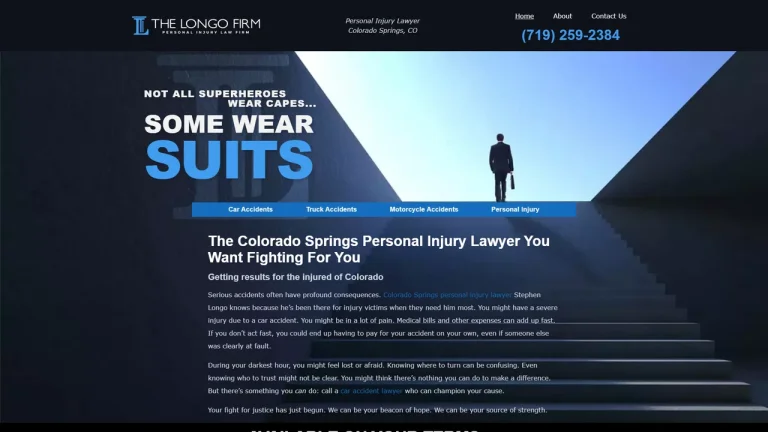
The Longo Firm, LLC - Colorado Springs, CO

Bagby Injury Law - Colorado Springs, CO

Malnar Injury Law - Colorado Springs, CO
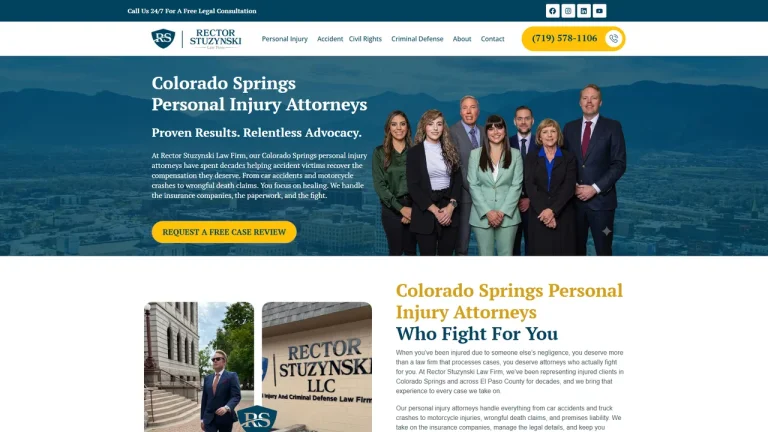
Rector Stuzynski Law Firm - Colorado Springs, CO
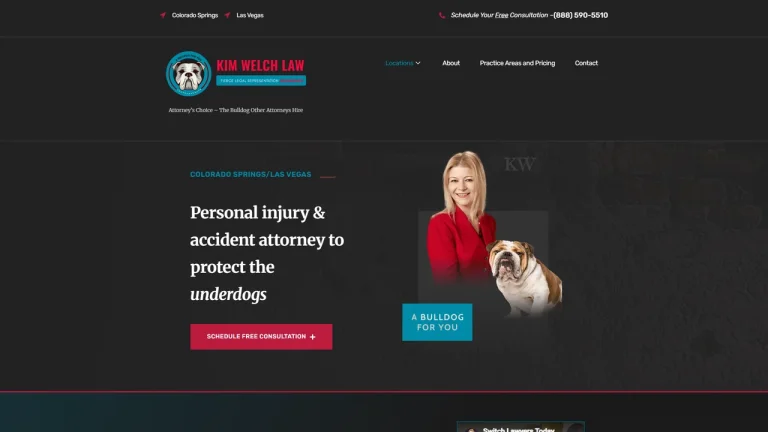
Kim Welch Law - Personal Injury & Accident Attorney - Colorado Springs, CO
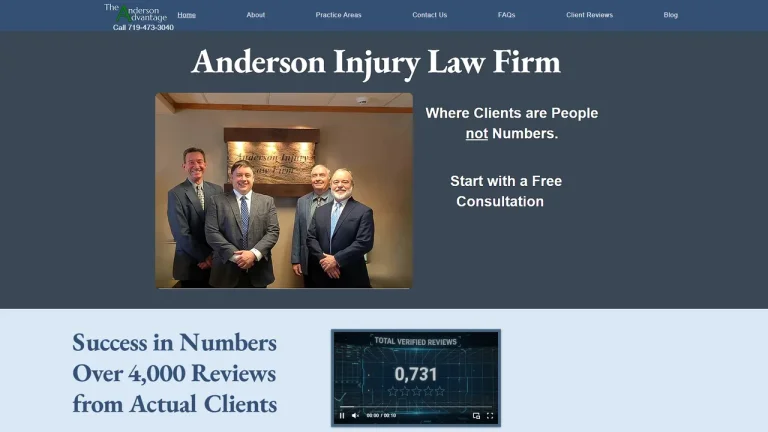
Anderson Injury Law Firm - Colorado Springs, CO
Mountain Law Group - Colorado Springs, CO

Warrior Injury Law | Car Accident Lawyer - Colorado Springs, CO
Bachus & Schanker - Colorado Springs, CO
Levine Law LLC - Colorado Springs, CO
Warrior Car Accident Lawyers | #1 Best of the Springs - Colorado Springs, CO

Navigating Motorcycle Collision Claims in Colorado Springs
Colorado Springs and the surrounding Pikes Peak region offer exceptional motorcycling routes, yet local roadways pose severe risks for riders. High-speed multi-lane arterials like Powers Boulevard, North Academy Boulevard, and Interstate 25, combined with mountain gateway corridors such as Highway 24 leading up Ute Pass and Highway 115 toward Cañon City, see frequent severe collisions. Inattentive drivers turning left across intersections or tailgating riders are leading causes of life-altering injuries.
When insurance adjusters attempt to deny liability or blame the rider, civil lawsuits are filed in the 4th Judicial District at the El Paso County Combined Court inside the Terry R. Harris Judicial Complex on South Tejon Street. Successfully litigating motorcycle personal injury claims in Colorado Springs requires trial lawyers who know how to dismantle anti-motorcyclist prejudice among regional juries and insurance defense teams.
Retaining an experienced Colorado Springs motorcycle attorney ensures prompt investigation of the crash site. Counsel collects crash reports prepared by the Colorado Springs Police Department or Colorado State Patrol, inspects vehicular black boxes, analyzes road gouge marks, and secures commercial surveillance video from nearby businesses.
Colorado Springs Motorcycle Accident Legal Fees and Claim Schedules
| Case Scenario | Fee Structure | Estimated Cost (USD) | Key Cost Determinants |
|---|---|---|---|
| Left-Turn Driver Collision (Clear Fault) | Contingency Fee (Pre-Suit) | 33.3% of settlement | Negligent driver liability policy limits, orthopedic injury documentation, and insurer settlement response time. |
| Disputed Liability or Highway 24 Canyon Crash | Contingency Fee (Post-Filing) | 40% of recovery | Colorado comparative negligence defenses, accident reconstruction engineering, and witness depositions in Colorado Springs. |
| Severe Road Rash / Traumatic Brain Injury (TBI) | Contingency Fee plus Litigation Expenses | 33.3% - 40% ($12,000-$35,000 advanced costs) | Neurological evaluations, economic wage loss projections, life care planning, and trial presentation. |
| Underinsured Motorist (UIM) Arbitration | Contingency Retainer | 33.3% of recovery | Rider's own motorcycle/auto UIM coverage limits, household policy stacking, and insurer bad-faith handling. |
Critical Legal Deadlines & Statutes in Colorado
Motorcycle accident claims in Colorado are governed by the specific motor vehicle statute of limitations under Colo. Rev. Stat. § 13-80-101(1)(n), granting injured riders three years from the date of the collision to file a personal injury lawsuit in court.
Colorado follows a modified comparative negligence system under Colo. Rev. Stat. § 13-21-111. Under this 50 percent bar rule, an injured motorcyclist can recover damages only if their fault is 49 percent or less. Insurance carriers frequently attempt to allocate 50 percent or more blame to riders to extinguish their financial liability completely.
Regarding motorcycle safety gear, Colo. Rev. Stat. § 42-4-1502 requires helmets only for riders and passengers under 18 years of age. An adult rider's decision not to wear a helmet cannot be introduced as evidence of comparative fault for causing the accident. However, Colo. Rev. Stat. § 42-4-232 mandates that all riders wear approved eye protection. Lane positioning and lane filtering are governed under Colo. Rev. Stat. § 42-4-1503. Medical Payments coverage is available under Colo. Rev. Stat. § 10-4-635, and non-economic damages are limited by Colo. Rev. Stat. § 13-21-102.5.
Small Claims Court Limits vs. Professional Motorcycle Representation
Under Colo. Rev. Stat. § 13-6-403, the Colorado Small Claims Court is capped at $7,500. While a rider could use small claims court to resolve minor scuffs on riding leathers or an aftermarket exhaust pipe, severe bodily injury claims should never be handled pro se. Due to the lack of protective cabin structures, motorcycle collisions frequently cause compound fractures, spinal injuries, and traumatic brain trauma that require tens or hundreds of thousands of dollars in medical treatment.
Insurance adjusters routinely attempt to settle motorcycle claims quickly before the full extent of permanent impairment is diagnosed. A Colorado Springs motorcycle accident attorney retains reconstruction engineers, proves motor vehicle right-of-way violations, counters bad-faith comparative fault defenses, and negotiates medical and Tricare lien write-downs to maximize net financial recovery.
Red Flags When Hiring a Colorado Springs Motorcycle Accident Attorney
- Harboring Anti-Biker Bias: Avoid attorneys who subconsciously treat motorcyclists as inherently reckless or assume speed was a factor without analyzing telemetry.
- Pressuring for Early Settlement of Complex Fractures: Severe orthopedic injuries take months to heal; signing an early release forever waives future surgery costs.
- Inexperience with Military Healthcare and Tricare Liens: If you are an active-duty soldier or veteran treated at Evans Army Community Hospital, your attorney must know how to satisfy federal statutory liens.
- Demanding Upfront Retainer Fees for Injury Cases: Legitimate motorcycle accident attorneys work strictly on a contingency fee basis and advance all litigation costs.
Frequently Asked Questions
What is the deadline to file a motorcycle accident lawsuit in Colorado Springs?
Under Colo. Rev. Stat. § 13-80-101(1)(n), you have three years from the date of the collision to file a personal injury lawsuit against the at-fault motorist in Colorado courts.
Does Colorado law require motorcyclists to wear helmets in Colorado Springs?
Under Colo. Rev. Stat. § 42-4-1502, helmets are mandatory only for riders and passengers under the age of 18. Adult riders are not legally required to wear a helmet, and not wearing one cannot be used to prove comparative fault for the crash.
Can I recover compensation if the at-fault driver has minimum insurance?
Yes. If the at-fault driver's policy is exhausted, your attorney can pursue an Underinsured Motorist claim under your own motorcycle or auto policy to cover remaining medical bills and lost earnings.
Where are motorcycle accident lawsuits heard in Colorado Springs?
Motorcycle accident lawsuits originating in Colorado Springs are heard in the 4th Judicial District at the El Paso County Combined Court inside the Terry R. Harris Judicial Complex on South Tejon Street.
How does comparative negligence affect an injured motorcyclist in Colorado?
Under Colo. Rev. Stat. § 13-21-111, you can recover damages as long as you are 49 percent or less at fault. Your compensation is reduced proportionally by your fault percentage, but if you are found 50 percent or more at fault, you receive nothing.