
Business & Real Estate Lawyers in Denver
Consult leading business and real estate lawyers in Denver, CO, handling commercial leasing, property acquisitions, corporate governance, and civil litigation. Skilled local attorneys structure complex commercial transactions and resolve contract and land use disputes through negotiation before heading to trial. Explore our verified directory below to schedule a consultation with premier Denver counsel.

Merchant & Gould P.C. - Denver, CO

Nexus Family Law Group, P.C. - Denver, CO
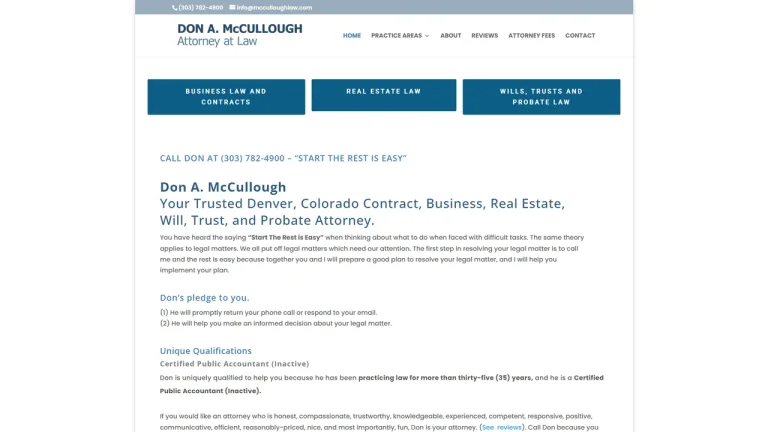
Don A. McCullough, Attorney at Law - Denver, CO
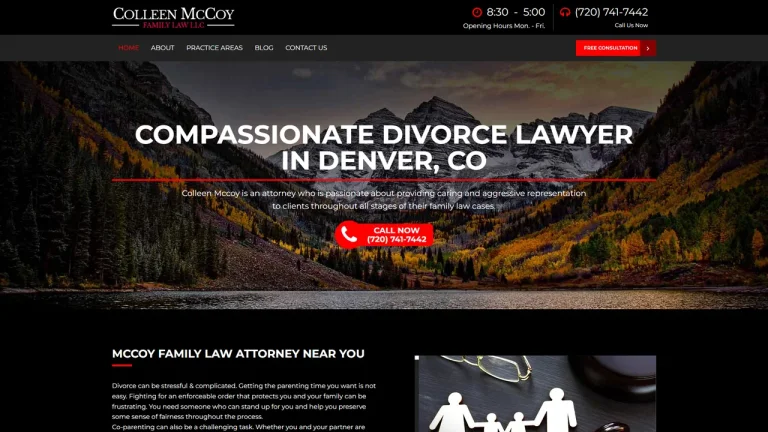
McCoy Family Law, LLC - Denver, CO

The Workplace Counsel - Denver, CO
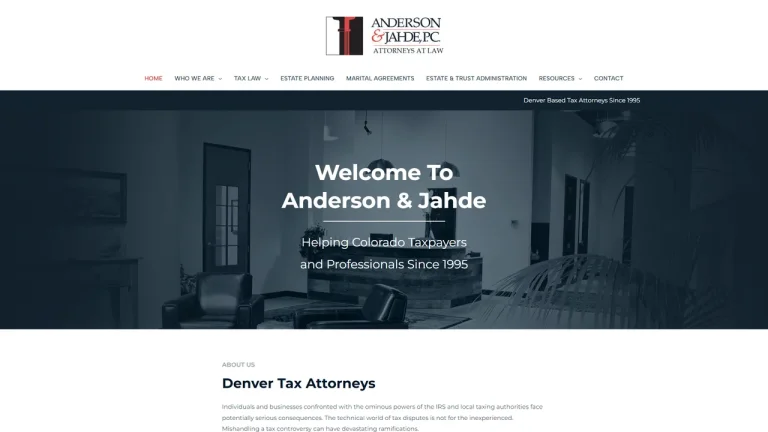
Anderson & Jahde, P.C. - Denver, CO
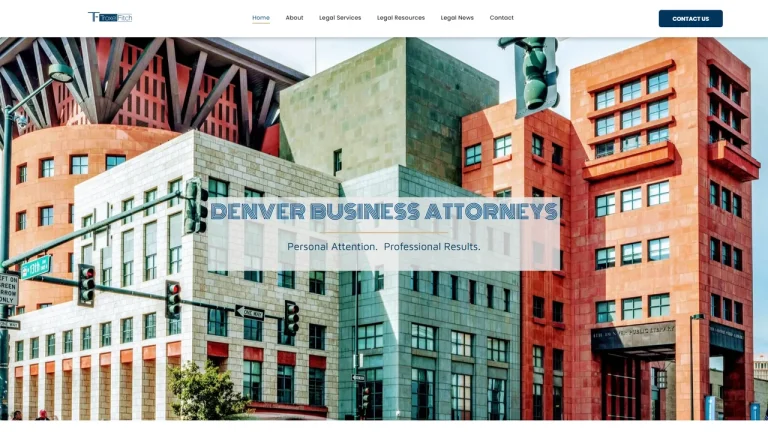
Troxel Fitch, LLC - Denver, CO

Howard S. Goodman Bankruptcy Attorney - Denver, CO
Halligan LLC - Denver, CO

Sheridan Ross P.C. - Denver, CO

LMB Partners - Denver, CO
Baumgartner Law - Denver, CO

180 Law Co. - Denver, CO

Colorado State Public Defender - Denver, CO
Legacy Law Group Colorado - Denver, CO
Defense Tax Partners - Denver, CO
Pote Law Firm - Denver, CO

Masana Bankruptcy Law - Denver, CO
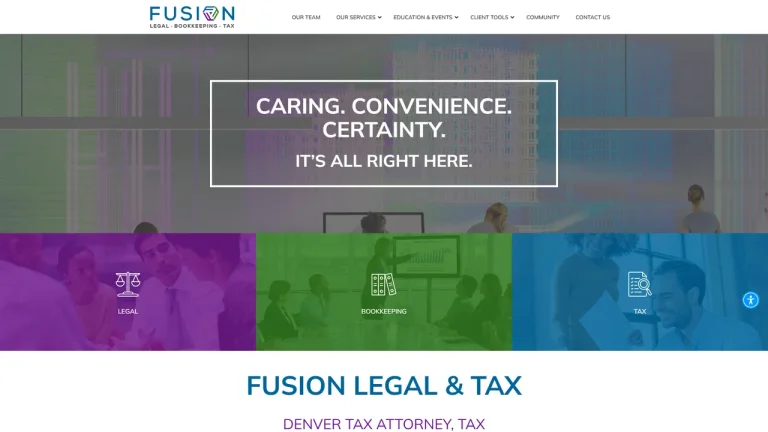
Fusion Legal & Tax - Denver, CO
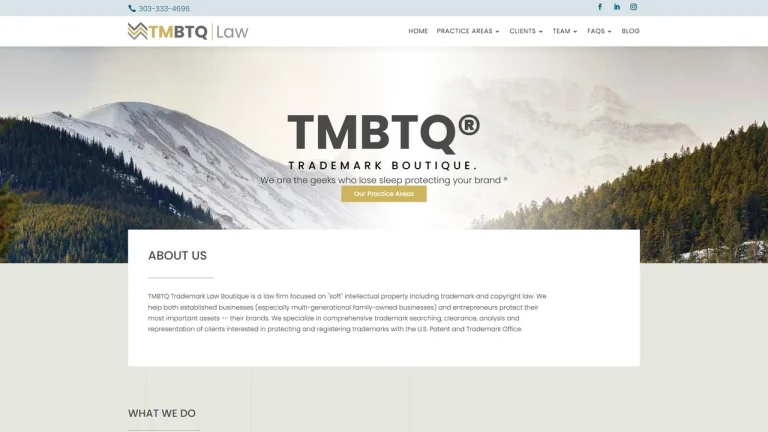
TMBTQ Trademark Law - Denver, CO

Burnham Law - Denver, CO
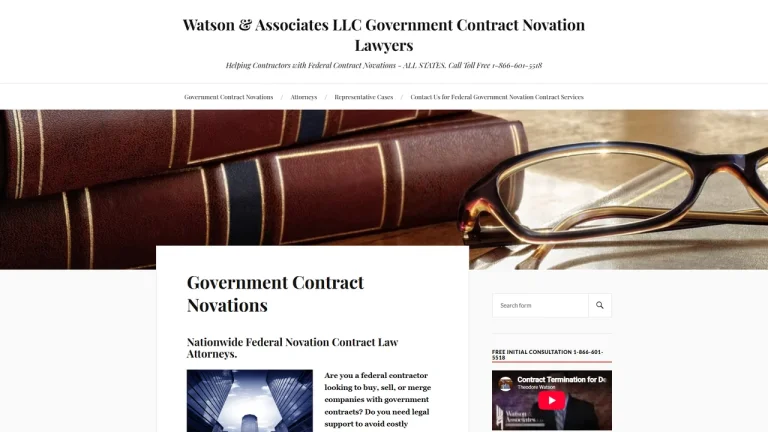
Watson and Associates LLC Government Contract Novation Lawyers - Denver, CO

Lyda Law Firm - Denver, CO
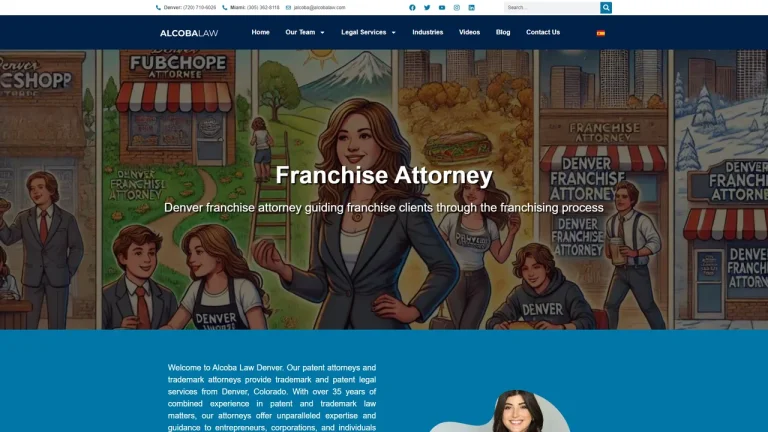
Commercial Real Estate and Corporate Jurisdiction in Denver
Denver commercial sector demands sophisticated legal representation to navigate urban development, commercial leasing, and corporate structuring. Businesses operating across central commercial corridors like downtown Denver, the River North Art District, Cherry Creek, and the Denver Tech Center face intricate local and state regulatory environments.
Formal contract disputes, quiet title lawsuits, commercial lease evictions, and corporate governance conflicts are litigated in the 2nd Judicial District Court at the Denver City and County Building on Bannock Street. Municipal zoning regulations, variances, and building code controversies fall under the authority of the Denver Department of Community Planning and Development and the Denver Board of Adjustment for Zoning Appeals.
Retaining an experienced Denver business and real estate attorney provides essential contractual protection and statutory compliance. Local legal counsel structures protective commercial transactions, drafts complex joint venture operating agreements, and resolves mechanic lien disputes to shield corporate assets against disruptive litigation.
Business & Real Estate Legal Fee Schedules
| Case Scenario | Fee Structure | Estimated Cost (USD) | Key Cost Determinants |
|---|---|---|---|
| Commercial Lease Review & Drafting | Flat Rate or Hourly ($325 - $550/hr) | $1,500 - $4,200 | Triple-net provisions, tenant improvement allowances, operating expense audits, and assignment terms. |
| Corporate Formation & Entity Structuring | Flat Rate | $1,200 - $3,000 | Multi-member LLC operating agreements, founder equity vesting, and Colorado Secretary of State filing compliance. |
| Commercial Title Disputes & Quiet Title Actions | Hourly with Retainer | $5,000 - $14,000+ | Easement encroachments, boundary discrepancies, and chain of title defects in Denver County records. |
| Commercial Contract & Construction Litigation | Hourly ($375 - $650/hr) with Retainer | $10,000 - $35,000+ | CDARA construction defect claims, mechanic lien foreclosures, and multi-party discovery in 2nd Judicial District. |
Critical Legal Deadlines & Statutes in Colorado
Commercial transactions and real estate disputes in Denver are subject to strict statutory limitation periods. Under Colo. Rev. Stat. § 13-80-101(1)(a), actions for breach of a written contract must be commenced within 3 years of the breach date, while actions for unwritten or oral agreements must be brought within 2 years pursuant to Colo. Rev. Stat. § 13-80-102(1)(a).
Construction claims are governed by the Colorado Construction Defect Action Reform Act, where actions against construction professionals must be initiated within 2 years after discovery under Colo. Rev. Stat. § 13-80-104, subject to a 6-year statute of repose. Claimants must also complete the mandatory Notice of Claim Process under Colo. Rev. Stat. § 13-20-803.5 before filing suit. For contractors and suppliers enforcing mechanic liens under Colo. Rev. Stat. § 38-22-101, a formal Notice of Intent to File a Lien must be served at least 10 days before recording under Colo. Rev. Stat. § 38-22-109, followed by a foreclosure action within 6 months of work completion.
Denver Small Claims Court vs. Commercial District Court Litigation
The Denver Small Claims Court, operating within the Lindsey-Flanigan Courthouse under Colo. Rev. Stat. § 13-6-403 with a $7,500 maximum limit, provides a venue for minor vendor debt recovery. However, legal representation is generally restricted in small claims under Colo. Rev. Stat. § 13-6-407 unless specific statutory conditions apply.
Conversely, significant real estate conflicts involving commercial evictions, title quietance, specific performance of purchase agreements, or corporate ownership dissolution are entirely beyond small claims authority. Engaging a dedicated Denver business and real estate lawyer ensures your legal interests are protected through formal discovery, motions practice, and trial advocacy in district court.
Red Flags When Hiring a Denver Business & Real Estate Lawyer
- Generic Boilerplate Contracts: Relying on standardized forms that omit Colorado-specific statutory lien notices or Denver municipal zoning provisions.
- Unfamiliarity with the Denver Zoning Code: Ensure counsel understands Denver Form-Based Code, design review districts, and landmark preservation regulations.
- Failure to Meet Strict Mechanic Lien Deadlines: Missing the mandatory 10-day Notice of Intent or 6-month foreclosure deadline permanently forfeits lien priority.
- Opaque Billing Structures for Commercial Transactions: Retainers should clearly distinguish legal fees from third-party costs such as environmental reviews, survey fees, and title insurance premiums.
Frequently Asked Questions
What is the standard entity choice for a new business in Denver?
Most small to mid-sized commercial ventures form a Limited Liability Company under Colo. Rev. Stat. § 7-80-101 for pass-through taxation and liability protection. High-growth technology startups frequently structure as corporations to facilitate venture capital investment.
How does the mechanic lien process work under Colorado law?
Under Colo. Rev. Stat. § 38-22-109, a contractor must deliver a formal Notice of Intent to File a Lien to the property owner at least 10 days before recording the lien statement with the Denver Clerk and Recorder, and file for foreclosure within 6 months.
Can a commercial landlord in Denver immediately evict a tenant for default?
No. Self-help evictions are illegal in Colorado. Landlords must deliver a statutory demand for compliance or possession and file a formal Forcible Entry and Detainer action in county court to obtain a legal writ of restitution.
Where are commercial and real estate lawsuits litigated in Denver?
Commercial disputes exceeding small claims limits are filed in the 2nd Judicial District Court located at the Denver City and County Building at 1437 Bannock Street in downtown Denver.
What is the Colorado statute of limitations for commercial contract breaches?
Under Colo. Rev. Stat. § 13-80-101(1)(a), written contract claims carry a 3-year statute of limitations from the date the cause of action accrues, while oral contracts must be brought within 2 years under Colo. Rev. Stat. § 13-80-102(1)(a).