
Debt Relief Lawyers in Denver
Facing aggressive debt collection in Denver, Colorado? Retaining an experienced debt relief attorney shields your finances against predatory debt buyers and unlawful garnishments under state and federal consumer protection acts. Dedicated local lawyers frequently negotiate substantial lump-sum debt settlements, contest fraudulent collection lawsuits, and halt bank levies before court judgments are finalized. Explore our directory below to connect with top Denver debt relief lawyers for a confidential review.

Howard S. Goodman Bankruptcy Attorney - Denver, CO
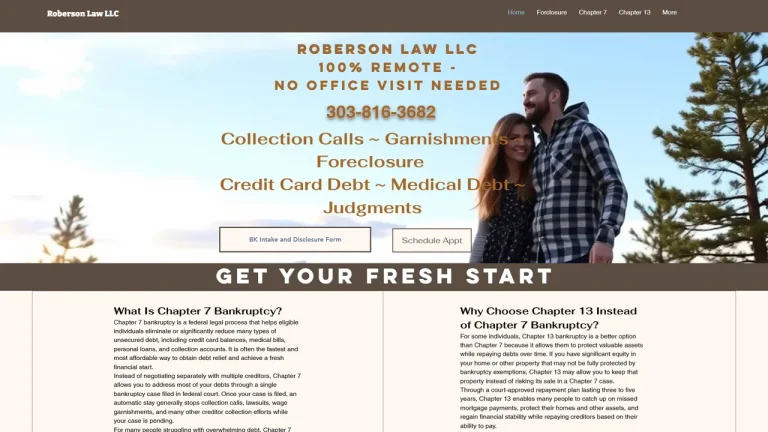
Roberson Law, LLC - Denver, CO

Dickmann Tax Group - Denver, CO
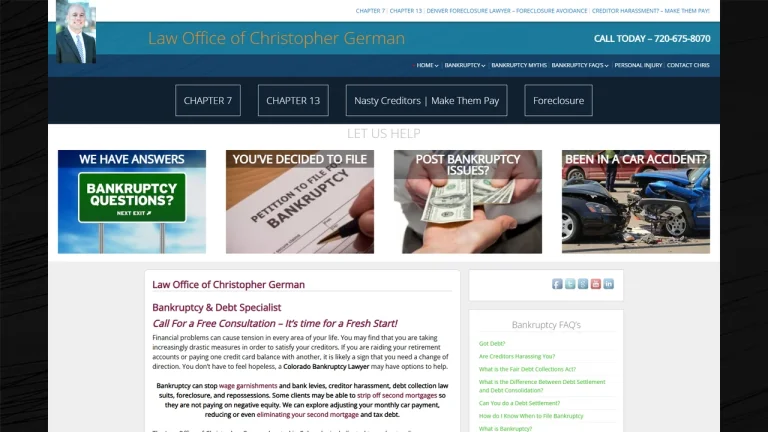
Law Office of Christopher A. German, LLC - Denver, CO
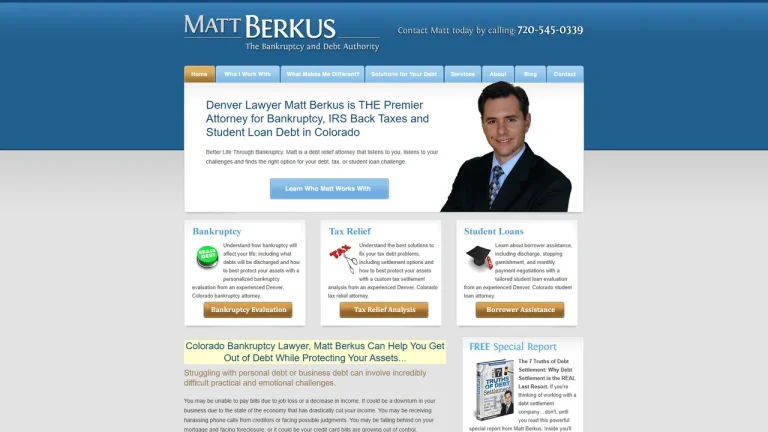
Berkus Law Office - Denver, CO
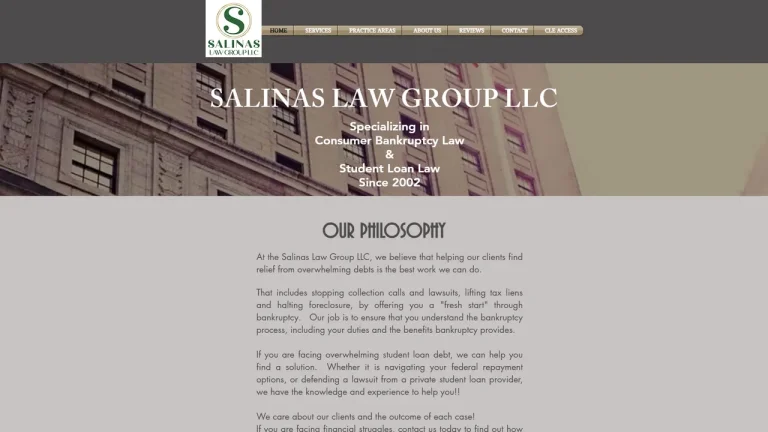
Salinas Law Group LLC - Denver, CO
Mile High Bankruptcy - The Milwid Law Firm - Denver, CO
Instant Tax Solutions - Denver, CO
Berken Cloyes, PC - Denver, CO
Colorado Bankruptcy Law Group, LLC - Denver, CO
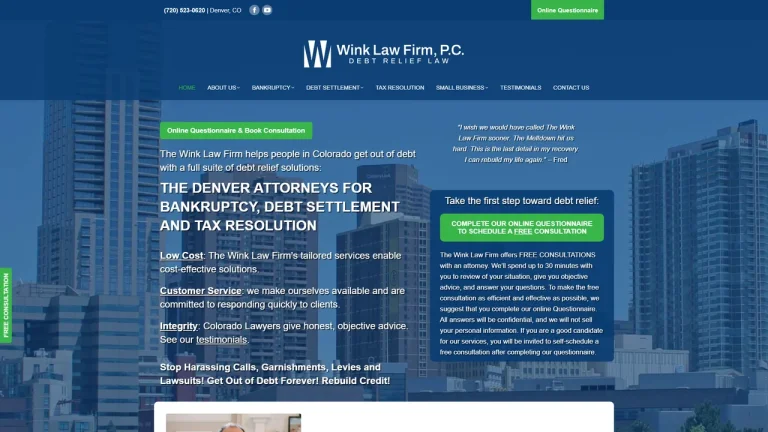
Wink Law Firm, P.C. | Debt Relief Law - Denver, CO
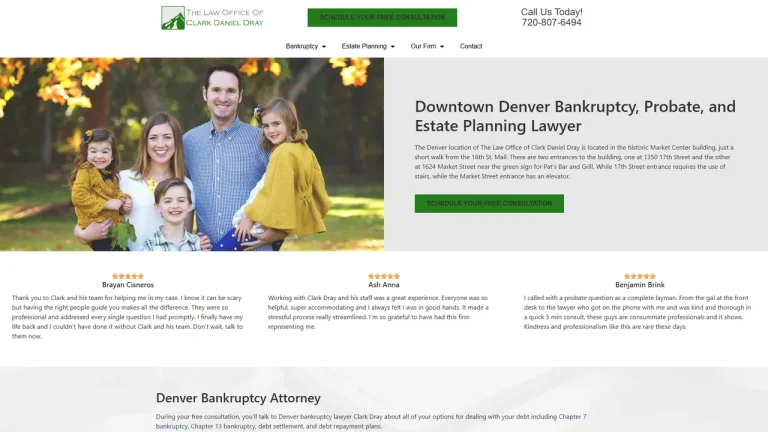
The Law Office of Clark Daniel Dray - Denver, CO
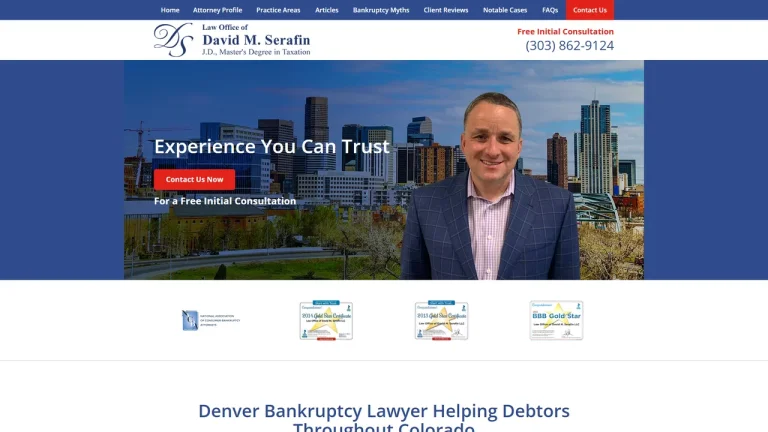
Law Office of David M. Serafin - Denver, CO

Boxelder Consulting & Tax Relief - Denver, CO
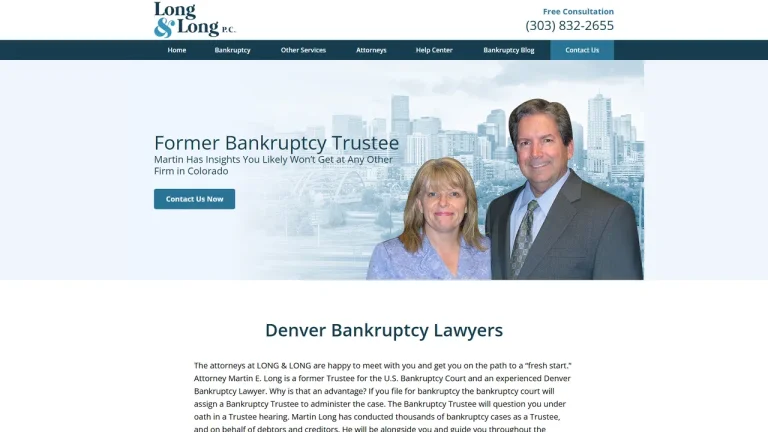
Long & Long P.C. - Denver, CO
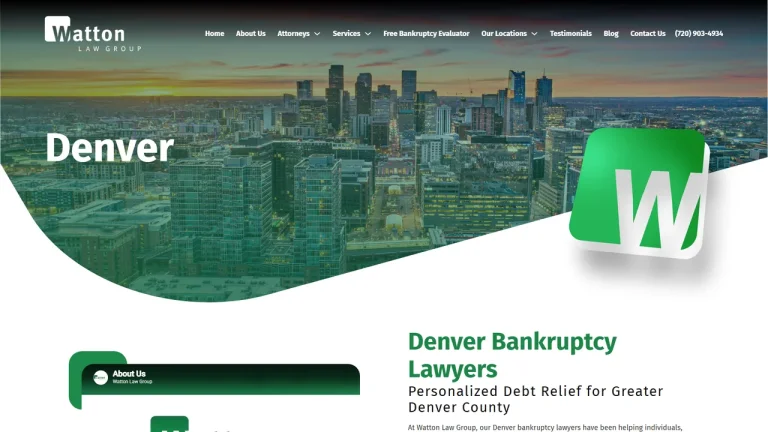
Watton Law Group - Denver, CO
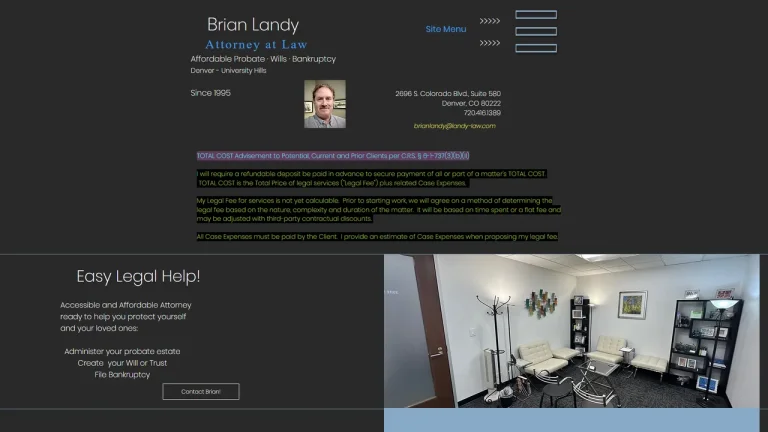
Brian Landy, Attorney at Law - Denver, CO
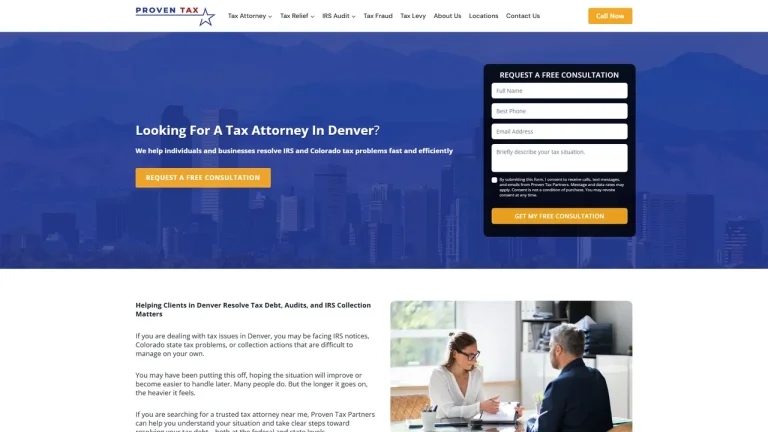
Defending Against Debt Collection Lawsuits in Denver Courts
In Denver, national debt buyers and regional collection law firms regularly initiate aggressive collection proceedings in local courts. Lawsuits over delinquent credit card balances, medical debts, and personal loans are filed in the 2nd Judicial District at the Denver City and County Building on Bannock Street. Often, these collection entities acquire portfolios of debt without maintaining the required promissory notes or complete chain-of-title assignments.
Third-party collection practices are strictly governed by the Colorado Fair Debt Collection Practices Act, enforced by the Consumer Protection Section of the Colorado Attorney General's Office, and the federal Fair Debt Collection Practices Act. An experienced Denver debt relief lawyer analyzes whether debt collectors have legal standing, adhered to mandatory validation notices, and complied with state disclosure rules.
Retaining a Denver-based attorney ensures immediate legal defense against frozen bank accounts and wage garnishments across neighborhoods such as LoDo, Five Points, Baker, and Montbello, turning the tables on abusive collectors.
Denver Debt Relief Legal Fees and Negotiation Schedules
| Case Scenario | Fee Structure | Estimated Cost (USD) | Key Cost Determinants |
|---|---|---|---|
| Out-of-Court Debt Settlement Negotiation | Percentage of Debt Saved (15%-25%) | $1,000 - $3,500 (or % savings) | Total debt volume, age of delinquency, and creditor policy on lump-sum settlements. |
| Defense of Denver County Court Debt Lawsuit | Flat Fee / Retainer | $1,500 - $4,000 | Standing challenges, availability of original account contract, and motion to dismiss drafting. |
| Fair Debt Collection Violation Lawsuit (FDCPA / CFDCPA) | Contingency / Statutory Fee Shifting | $0 Out-of-Pocket (Fee Shifting) | Documented abusive calls, threats of arrest, and statutory damage recovery. |
| Post-Judgment Wage Garnishment Defense & Exemption Filing | Flat Legal Fee | $750 - $2,000 | Calculation of disposable income, head of household status under Colorado law, and court hearings in Denver. |
Critical Legal Deadlines & Statutes in Colorado
In Colorado, debt collection actions are constrained by statutory limitation periods that dictate when a creditor may initiate legal proceedings. Under Colo. Rev. Stat. § 13-80-103.5, actions to recover liquidated debts, promissory notes, and written contracts are subject to a six-year statute of limitations, whereas open accounts and unliquidated claims carry a three-year window under Colo. Rev. Stat. § 13-80-101. Suing on time-barred debt is an actionable statutory violation.
Debt collection conduct is strictly regulated under the Colorado Fair Debt Collection Practices Act, codified at Colo. Rev. Stat. § 5-16-101, and the federal Fair Debt Collection Practices Act under 15 U.S. Code § 1692. These statutes entitle consumers to recover actual damages, statutory damages up to $1,000, and court costs if debt collectors engage in harassment or false representations.
When a judgment creditor initiates wage garnishment, earnings are protected under Colo. Rev. Stat. § 13-54-104, which restricts garnishments to the lesser of 20 percent of weekly disposable earnings or the amount by which disposable earnings exceed 40 times the applicable minimum wage. Defendants served with a Denver summons have strictly 14 to 21 days to file a formal Answer.
Small Claims Court Limits vs. Professional Debt Defense
Under Colo. Rev. Stat. § 13-6-403, the Colorado Small Claims Court is capped at $7,500. Institutional debt buyers rarely file in small claims; they file in County Court where complex rules of evidence and civil procedure apply. Consumers attempting to represent themselves frequently default by failing to file an Answer on time or mistakenly restart the statute of limitations by making partial payments.
A Denver debt relief lawyer investigates whether the debt buyer actually possesses the original account contract and certified assignments. Often, demanding strict chain-of-custody documentation results in voluntary case dismissal. Moreover, counsel negotiates binding settlement agreements that include formal releases, preventing downstream resale of forgiven debt.
Red Flags When Hiring a Denver Debt Relief Professional
- Out-of-State Non-Attorney "Settlement Mills": Out-of-state call centers cannot represent you in the Denver County Court. Always verify that your advocate is a licensed Colorado attorney.
- Advising You to Stop Paying Creditors Without a Legal Strategy: Unlicensed companies often instruct clients to default without explaining that creditors will immediately file lawsuits and garnish wages.
- Upfront Fees Charged by Non-Attorneys: Federal Trade Commission rules and Colorado law prohibit non-lawyer settlement companies from collecting fees before debts are successfully resolved.
- Promising Magic Debt Elimination Programs: Be cautious of marketing schemes claiming debts can be wiped away without legal process or negotiation.
Frequently Asked Questions
What is the statute of limitations on credit card debt in Denver, Colorado?
Under Colo. Rev. Stat. § 13-80-103.5, actions based on written contracts and liquidated debts carry a six-year statute of limitations. Creditors are legally prohibited from filing a collection lawsuit once this six-year period expires.
How much of my paycheck can be garnished in Denver?
Under Colo. Rev. Stat. § 13-54-104, garnishments are capped at the lesser of 20 percent of your weekly disposable earnings, or the amount by which disposable earnings exceed 40 times the Colorado minimum wage.
What should I do if I am served with a collection lawsuit in Denver?
You have 14 to 21 days from service to file a formal Answer with the Denver County Court. Failing to answer results in a default judgment, which permits bank freezes and wage garnishments.
Can a debt collector threaten to arrest me in Colorado?
No. Threatening criminal arrest or jail for an unpaid civil debt is illegal under both Colo. Rev. Stat. § 5-16-101 and 15 U.S. Code § 1692, exposing the collector to statutory damages and legal fees.
How does an attorney settle debts out of court?
An attorney evaluates legal weaknesses in the creditor's claim and negotiates a lump-sum settlement, typically resolving balances for 40 to 60 percent of the original debt while securing a formal release from liability.