
Residential Real Estate Lawyers in Denver
Retaining knowledgeable Denver residential real estate lawyers protects home buyers, sellers, and property owners through complicated transactions and title disputes. Experienced attorneys resolve property disagreements early to avoid costly litigation in Denver courts. Explore our verified directory below to schedule an initial consultation today.
Colorado Affordable Legal Services - Denver, CO

Tschetter Sulzer Muccio, P.C. - Denver, CO
Robinson & Henry, P.C. - Denver, CO

O'Brien Legal Services LLC - Denver, CO
Law Office of Nicholas J. Vail, PLLC - Denver, CO

Law Offices of Eric L. Nesbitt, P.C. - Denver, CO

Urban Law - Denver, CO

Flatiron Legal Advisors, LLC - Denver, CO

Gantenbein Law Firm - Denver, CO
Johnson Law - The Law Firm of Chad W. Johnson, LLC - Denver, CO
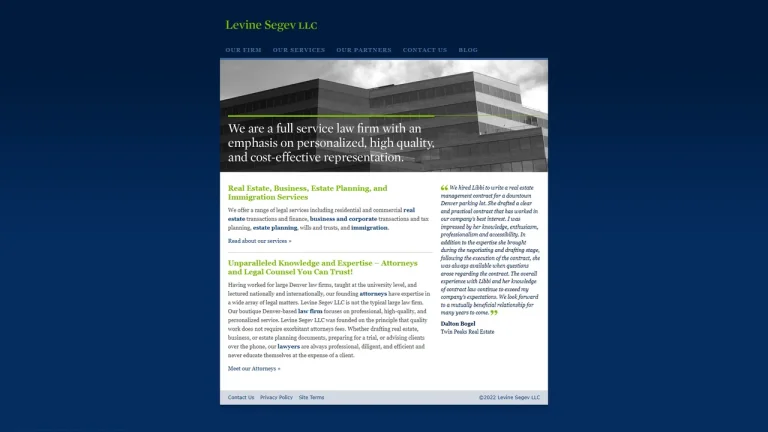
Levine Segev LLC - Denver, CO
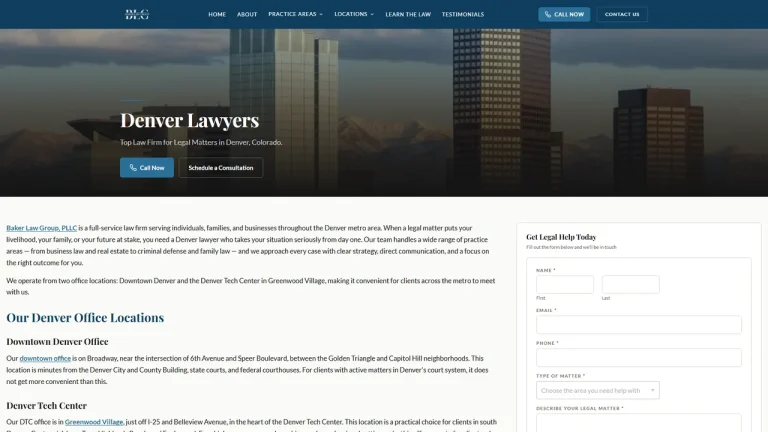
Baker Law Group, PLLC - Denver, CO
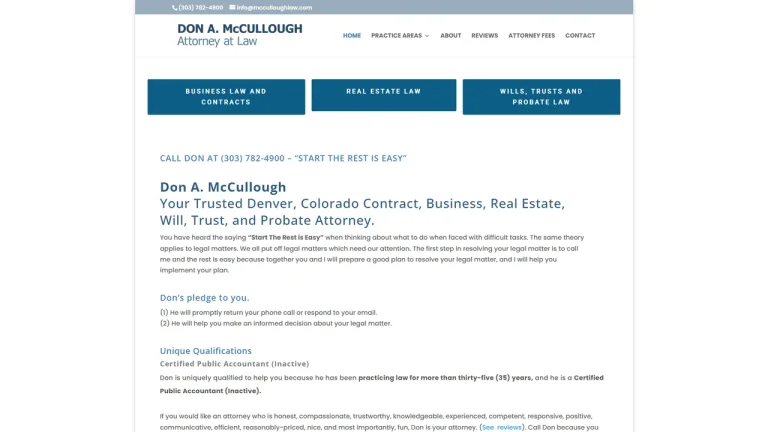
Don A. McCullough, Attorney at Law - Denver, CO
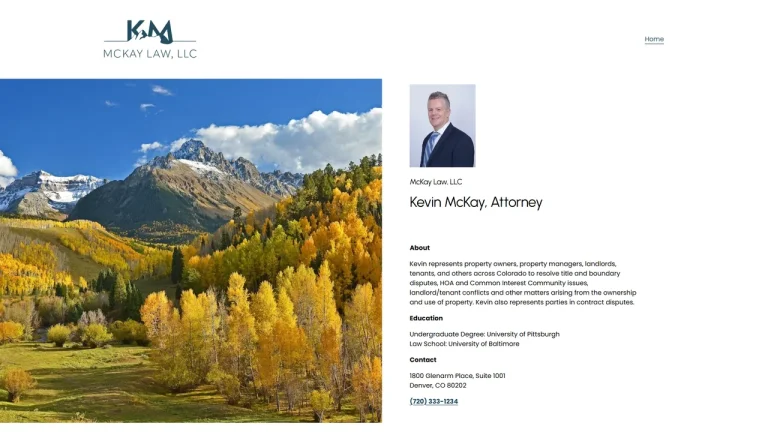
McKay Law, LLC - Denver, CO

Geraghty Law Office - Denver, CO

Residential Property Governance & Jurisdiction in Denver
Denver residential real estate encompasses an evolving landscape, from historic bungalows in Washington Park and Capitol Hill to modern single-family dwellings and urban condominiums in the Highlands and Central Park. Whether navigating a home purchase, clarifying recorded easements, or resolving boundary disputes, working with qualified Denver real estate attorneys ensures legal protections under Colorado property laws.
Real property transactions and property disputes fall under the jurisdiction of the City and County of Denver. Deeds, deeds of trust, liens, and plat maps are maintained and recorded by the Denver Clerk and Recorder, located at the Webb Municipal Office Building on Colfax Avenue. Contested title actions, partition lawsuits, and substantive property litigation are handled by the Second Judicial District Court at the Denver City and County Building.
Engaging a local Denver real estate lawyer offers critical protection when standard form contracts are insufficient. Attorneys ensure title commitments are free from adverse encumbrances, review mandatory Seller's Property Disclosures, and advocate on your behalf before homeowners associations, mitigating substantial financial exposure during residential conveyances.
Denver Residential Real Estate Legal Fees & Services
| Case Scenario | Fee Structure | Estimated Cost (USD) | Key Cost Determinants |
|---|---|---|---|
| Residential Closing Document & Title Review | Flat Fee | $850 - $2,200 | Title exception complexity, HOA governing covenants volume, custom contract contingencies. |
| Seller Property Disclosure Misrepresentation Claims | Hourly Retainer ($325 - $500/hr) | $7,500 - $30,000 | Structural engineer inspections, evidence of seller concealment, pre-trial mediation outcomes. |
| HOA Covenant Disputes & CCIOA Compliance Actions | Hourly Rate ($300 - $475/hr) | $3,000 - $12,000 | HOA board responsiveness, administrative hearing compliance, statutory notice requirements. |
| Boundary Line, Encroachment, & Quiet Title Actions | Retainer + Hourly | $8,000 - $35,000 | Land survey verification, title insurance underwriter cooperation, number of named adverse claimants. |
Critical Legal Deadlines & Statutes in Colorado
Residential property owners in Denver must adhere to strict state statutory deadlines. For claims regarding a seller's intentional failure to disclose known structural or environmental defects on the mandatory disclosure form, the statute of limitations is three years under Colo. Rev. Stat. § 13-80-101, running from the date the defect was discovered or should have been recognized.
In construction defect controversies involving newly constructed residences or substantial renovations, the Colorado Construction Defect Action Reform Act (CDACA) governs proceedings. Claimants must bring actions within two years from discovery of physical damage under Colo. Rev. Stat. § 13-80-104, and all claims are extinguished after the six-year statute of repose under Colo. Rev. Stat. § 13-20-801.
Homeowners association matters are regulated by the Colorado Common Interest Ownership Act (CCIOA), codified at Colo. Rev. Stat. § 38-33.3-101, which outlines mandatory assessment procedures and dispute timelines. For adverse possession or boundary disputes, Colorado mandates an uninterrupted eighteen-year possession period under Colo. Rev. Stat. § 38-41-101 before title can be judicially quieted.
Small Claims Court vs. District Court for Real Estate Matters
The Denver County Small Claims Court provides an accessible legal venue capped at a $7,500 recovery limit pursuant to Colo. Rev. Stat. § 13-6-403. This forum is suited for resolving minor disputes, such as security deposit claims under Colo. Rev. Stat. § 38-12-103 or small property damage claims involving contractors or neighbors.
However, the Small Claims division lacks the equitable authority to resolve boundary line encroachments, quiet title, enforce real estate purchase agreements through specific performance, or adjudicate major construction defect issues. Real estate matters exceeding $25,000, or actions requiring injunctive relief, must be filed in the Second Judicial District Court.
Because property rights involve recorded land instruments and equitable remedies that permanently alter real property title, navigating these disputes in District Court requires the skill and representation of an experienced residential real estate lawyer.
Red Flags to Watch for in Real Estate Legal Representation
- Unfamiliarity with Colorado Real Estate Commission (CREC) Contracts: Avoid attorneys who are not well-versed in Colorado approved standard contract forms, inspection objection mechanisms, and title objection deadlines.
- Neglecting Denver Clerk and Recorder Records: Steer clear of legal counsel who fails to conduct title verifications and plat checks directly with the Denver Clerk and Recorder office.
- Ignoring CCIOA Pre-Litigation Steps: Avoid practitioners who proceed with HOA litigation without following the mandatory dispute resolution and notice protocols outlined in Colo. Rev. Stat. § 38-33.3-101.
- Ambiguous Closing Fee Structures: Do not hire counsel unwilling to provide clear flat-fee scopes for transactional reviews or transparent hourly agreements for real estate litigation matters.
Frequently Asked Questions
Do I need an attorney to purchase residential property in Denver?
While Colorado does not legally mandate an attorney for real estate closings, legal counsel is recommended when dealing with complex title exceptions, custom easements, non-standard financing, or reviewing unrepresented purchase contracts.
What legal action can I take for undisclosed home defects in Denver?
If a seller knowingly concealed property defects on the Seller's Property Disclosure, you may initiate a lawsuit for fraud or breach of contract within three years under Colo. Rev. Stat. § 13-80-101 to recover repair costs and diminution of property value.
How does the Colorado Common Interest Ownership Act (CCIOA) protect homeowners?
Governed by Colo. Rev. Stat. § 38-33.3-101, CCIOA regulates HOA actions, requiring open meetings, financial transparency, reasonable assessment collection policies, and mandatory dispute resolution procedures before an association can initiate foreclosure.
What is the statutory period for adverse possession in Colorado?
Under Colo. Rev. Stat. § 38-41-101, an adverse possessor must demonstrate continuous, open, notorious, exclusive, and hostile possession of the real property for at least eighteen consecutive years, alongside evidence of a good-faith belief of ownership.
Can a tenant sue for a withheld security deposit in Denver Small Claims Court?
Yes. If a landlord willfully withholds a security deposit beyond the statutory deadline under Colo. Rev. Stat. § 38-12-103, a tenant can sue in Denver Small Claims Court for up to $7,500 and may be awarded treble damages plus reasonable attorney fees.