
Slip & Fall Injury Lawyers in Denver
Find experienced slip and fall injury lawyers in Denver to protect your rights after an unexpected accident on commercial, municipal, or private property. Trusted local premises liability attorneys gather critical video surveillance and handle tough negotiations with insurers to secure full compensation without unnecessary litigation. Review our comprehensive directory below to speak with an established Denver injury lawyer today.

Fang Accident Lawyers - Denver, CO
Amy G Injury Firm - Denver, CO

Zaner Law Personal Injury Lawyers - Denver, CO

Colorado Legal Services - Denver, CO

Monge & Associates Injury and Accident Attorneys - Denver, CO
The Law Offices of W. Dan Mahoney, P.C. - Denver, CO

Front Range Injury Attorneys - Denver, CO

The Babcock Law Firm LLC - Denver, CO

Genco Injury Attorneys - Denver, CO
Bowman Law, LLC - Denver, CO

Denver Car Accident Attorneys - Law Firm of Jeremy Rosenthal - Denver, CO

Cheney Galluzzi & Howard LLC - Denver, CO
Flaxman Law Group - Denver, CO

Denver Personal Injury Attorneys - Denver, CO

Bourassa Law Group - Denver, CO

Law Offices of Dianne Sawaya LLC - Denver, CO
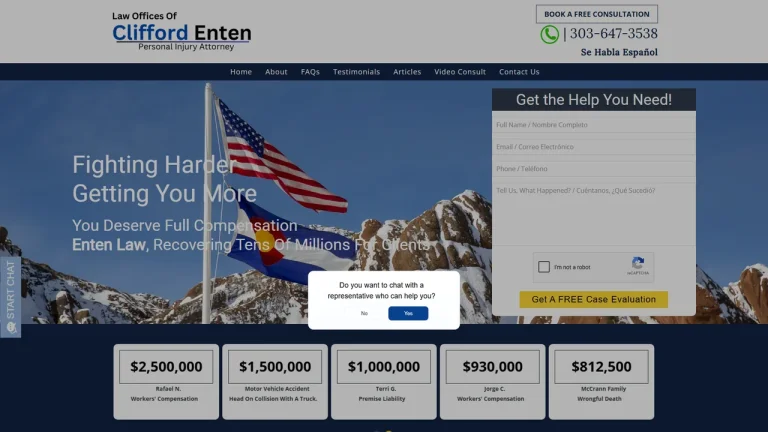
Cliff Enten Law - Denver, CO

Mark A. Simon, Attorney at Law - Denver, CO
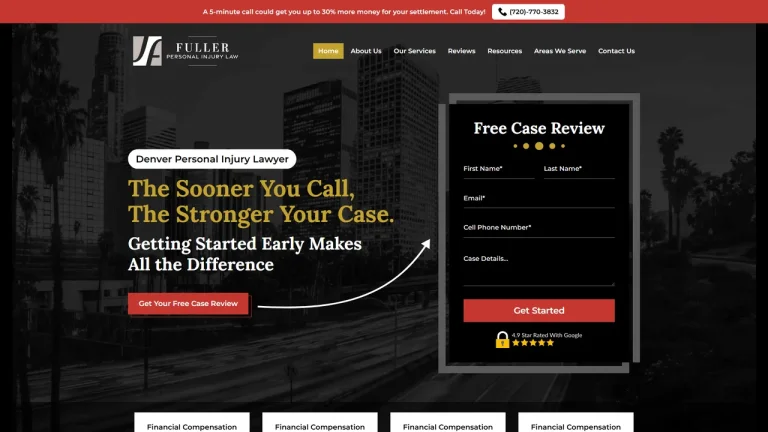
Fuller Personal Injury Law - Denver, CO

Roberts Car Accident Lawyers - Denver, CO
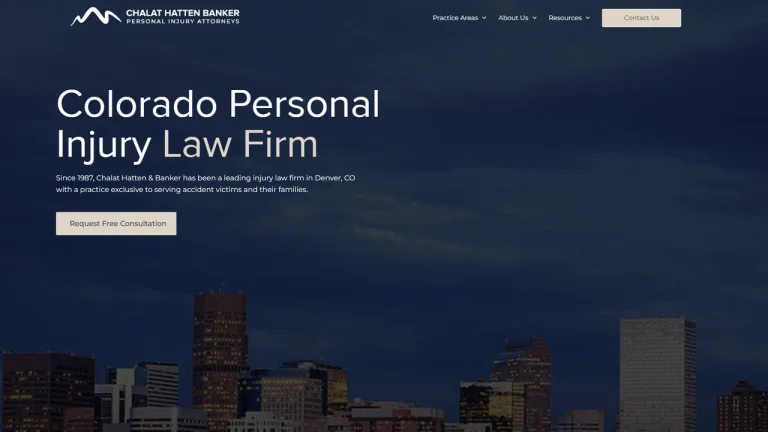
Chalat Hatten & Banker PC - Denver, CO

Ridder Law - Denver, CO

Tenge Law Firm LLC - Denver, CO
Premises Liability & Fall Injuries in Denver Venues
Denver's rapid climate shifts and winter freeze-thaw cycles create severe walking hazards across pedestrian zones, commercial properties, and residential complexes. From icy storefronts along the 16th Street Mall to poorly maintained parking lots in Cherry Creek and LoDo, property owners must maintain reasonably safe environments. When negligent maintenance or structural neglect causes serious harm, injured parties must navigate Colorado's specialized premises statutes.
In Denver, slip and fall lawsuits are heard within the 2nd Judicial District Court, situated at the Lindsey-Flanigan Courthouse and the historic Denver City and County Building on Bannock Street. Municipal sidewalk and small-scale claims may involve the Denver County Court. State filings and trial motions are processed through the Colorado Courts E-Filing system.
Retaining an experienced Denver slip and fall lawyer ensures prompt evidence preservation, including subpoenaing security footage and commercial maintenance records. Local counsel understands the procedural intricacies of Colorado premises law, pursuing comprehensive settlements through negotiation or alternative dispute resolution before trial.
Denver Premises Liability Scenarios & Legal Cost Analysis
| Case Scenario | Fee Structure | Estimated Cost (USD) | Key Cost Determinants |
|---|---|---|---|
| Commercial Retail Slip & Fall | Contingency Fee | 33.3% of settlement ($20,000 - $75,000) | CCTV video clarity, promptness of incident report, severity of soft tissue injuries. |
| Commercial Sidewalk Winter Ice Hazard | Contingency Fee | 33.3% - 40% ($35,000 - $160,000) | Snow removal contractor logs, local Denver snow removal ordinances, fracture severity. |
| Apartment Complex Stairwell / Code Violation | Contingency Fee | 33.3% - 40% ($50,000 - $225,000) | History of prior building code citations, proof of landlord notice, ongoing physical therapy needs. |
| Municipal Sidewalk or Transit Property Fall | Contingency / Advanced Costs | 33.3% - 40% ($25,000 - $110,000) | Compliance with 182-day notice deadline, sovereign immunity defense hurdles, surgical treatment costs. |
Critical Legal Deadlines & Statutes in Colorado
Personal injury claims arising from premises liability are governed by a two-year statute of limitations under Colo. Rev. Stat. § 13-80-102(1)(a). The claim must be filed in court within two years from the incident date, or the injured party forfeits all rights to compensation.
When falls occur on public property operated by the City and County of Denver, the Regional Transportation District (RTD), or state agencies, the Colorado Governmental Immunity Act imposes a strict deadline. Under Colo. Rev. Stat. § 24-10-109, formal written notice of claim must be served on the governing public entity within 182 days of the injury. Missing this window constitutes an absolute jurisdictional bar to recovery.
All property accident claims in the state are governed exclusively by the Colorado Premises Liability Act under Colo. Rev. Stat. § 13-21-115, which supplants common-law negligence and establishes rigid duties based on whether the plaintiff is classified as an invitee, licensee, or trespasser. Comparative fault is judged under Colo. Rev. Stat. § 13-21-111, which bars recovery if the injured party is found 50% or more at fault.
Small Claims Limits vs. Professional Representation in Denver
The Denver County Court Small Claims Division has a monetary recovery limit of $7,500 under Colo. Rev. Stat. § 13-6-403. For minor property damage or minor contusions with negligible medical bills, navigating small claims court without an attorney can be an expeditious option.
However, when injuries involve broken bones, torn ligaments, concussions, or substantial wage loss, filing in small claims court forces claimants to forfeit any damages exceeding the $7,500 statutory cap. Furthermore, the Colorado Premises Liability Act is complex, requiring specific proof of property owner knowledge and compliance. Retaining an attorney allows for formal discovery, including obtaining commercial maintenance logs, preservation of surveillance tapes, and managing health insurance liens.
Red Flags & Hiring Considerations for Denver Clients
- Lawyers requesting upfront cash retainers or non-refundable investigation fees for standard contingency premises liability cases.
- Failure to immediately issue a formal evidence preservation letter to the property owner to secure video footage before standard 30-day overwrite cycles.
- Inability to explain the distinct statutory duties of an invitee versus a licensee under the Colorado Premises Liability Act.
- Attorneys promising unrealistic settlement checks within days of the accident without examining liability insurance policy limits.
Frequently Asked Questions
How does the Colorado Premises Liability Act determine property owner fault?
Under Colo. Rev. Stat. § 13-21-115, a property owner's legal duty depends on the plaintiff's classification: invitees (customers/patrons) can recover for damages caused by unreasonable failure to protect against dangers the owner knew or should have known about; licensees (social guests) must prove actual knowledge or unreasonable failure to warn; trespassers can only recover for damages willfully or deliberately caused.
What is the deadline to file a slip and fall lawsuit in Denver?
For accidents occurring on private or commercial property, the statute of limitations is two years from the date of the incident pursuant to Colo. Rev. Stat. § 13-80-102(1)(a). Failing to file within this statutory window will permanently bar your right to pursue compensation.
What if I fell on a snowy sidewalk owned by the City and County of Denver?
If the incident occurred on municipal property, the Colorado Governmental Immunity Act applies. Under Colo. Rev. Stat. § 24-10-109, you must deliver a formal written notice of claim to the City and County of Denver within 182 days of the injury before any lawsuit can be filed.
Can I recover damages if I was partially distracted when I slipped?
Colorado follows a modified comparative negligence rule under Colo. Rev. Stat. § 13-21-111. You can still recover compensation as long as your share of fault is less than 50%, though your final damages award will be reduced in proportion to your percentage of fault.
How do Denver slip and fall attorneys charge for their legal services?
Denver premises liability lawyers handle slip and fall claims on a contingency fee basis. You pay nothing out of pocket, and the attorney receives an agreed-upon percentage (generally 33.3% to 40%) only after successfully negotiating a settlement or winning a verdict at trial.