
Workers' Compensation Lawyers in Denver
Connect with dedicated workers' compensation lawyers in Denver to secure fair wage replacement and comprehensive medical benefits after an on-the-job injury. Skilled Colorado advocates navigate employer insurance tactics, contest denied claims, and negotiate lump-sum settlements without courtroom stress. Explore our verified directory below to schedule a free case review with a trusted Denver workers' comp attorney.
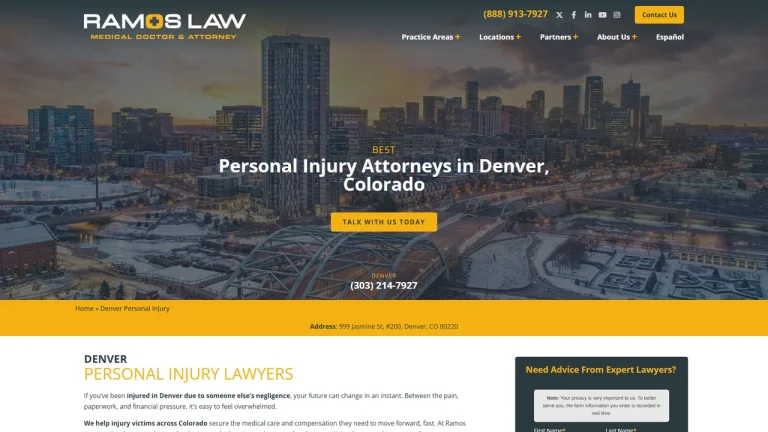
Ramos Law - Denver, CO
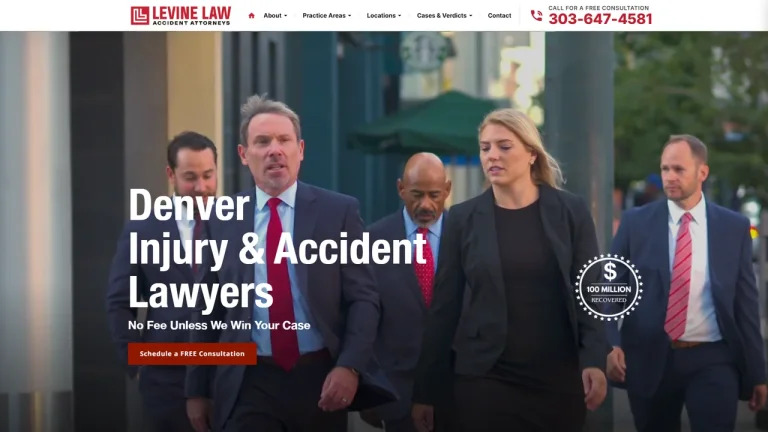
Levine Law LLC - Denver Injury Lawyer - Denver, CO

Bell & Pollock, P.C. Injury and Accident Attorneys - Denver, CO

Frank Azar Car & Truck Accident Lawyers - Denver, CO

Law Offices of Dianne Sawaya LLC - Denver, CO
Amy G Injury Firm - Denver, CO
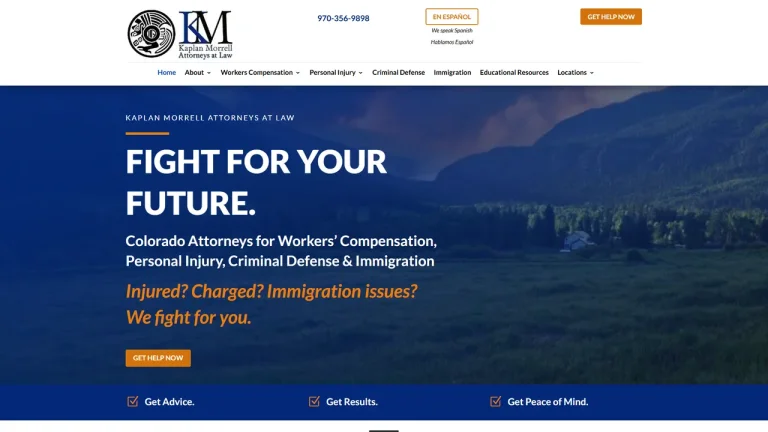
Kaplan Morrell Attorneys at Law - Denver, CO
Cliff Enten Law - Denver, CO

McCormick Law Firm - Denver, CO
Bendinelli Law Firm, P.C. - Denver, CO
McDivitt Law Firm - Denver, CO
Morgan & Morgan - Denver, CO
Olson Personal Injury Lawyers - Denver, CO
The Wilhite Law Firm - Denver, CO

The Babcock Law Firm LLC - Denver, CO
The Law Offices of W. Dan Mahoney, P.C. - Denver, CO

The Law Office of Gretchen E. Lipman, LLC - Denver, CO

Cotney Attorneys and Consultants - Denver, CO
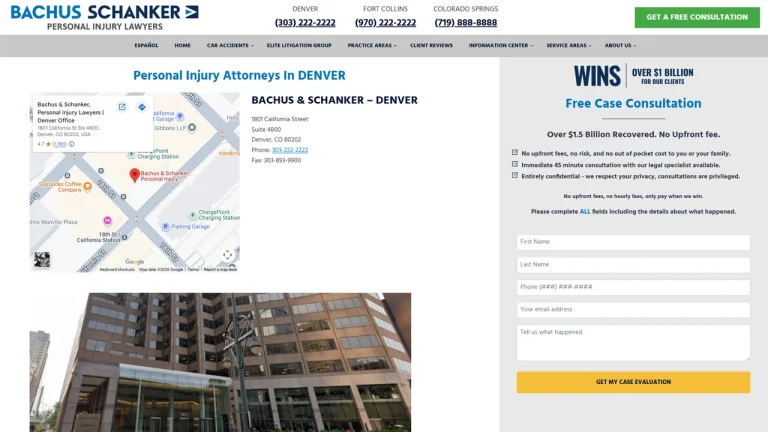
Denver Workers' Compensation Administration & Dispute Resolution
Denver's workforce spans diverse industries, from commercial construction and logistics warehousing in Montbello to healthcare professionals across the Denver metroplex and operations at Denver International Airport. When workplace accidents or occupational illnesses occur, injured workers are entitled to medical coverage and statutory wage replacement under Colorado law, regardless of fault.
Unlike standard civil lawsuits filed in the 2nd Judicial District, workers' compensation claims do not proceed through traditional county courthouses. Instead, claims are administered by the Colorado Division of Workers' Compensation (DOWC) within the Colorado Department of Labor and Employment on Sherman Street in Denver. Disputed claims, benefit denials, and formal hearings are adjudicated by Administrative Law Judges at the Colorado Office of Administrative Courts (OAC).
Hiring a dedicated Denver workers' compensation attorney ensures your medical care is authorized and wage loss benefits are accurately calculated. Experienced counsel navigates insurer tactics, challenges premature termination of benefits, and negotiates lump-sum settlements while shielding workers from procedural pitfalls.
Denver Workers' Comp Benefit Scenarios & Cost Breakdown
| Case Scenario | Fee Structure | Estimated Cost (USD) | Key Cost Determinants |
|---|---|---|---|
| Temporary Total Disability (TTD) Dispute | Statutory Contingency | 20% of disputed weekly checks | Calculation of average weekly wage, off-work notes from authorized doctors, insurer delay tactics. |
| Contested Permanent Impairment (PPD) Rating | Statutory Contingency | 20% of net settlement/award ($10,000 - $55,000+) | Division Independent Medical Examination (DIME) outcome, whole person vs scheduled body member rating. |
| Full & Final Settlement (Lump-Sum Release) | Statutory Contingency | 20% of total settlement ($30,000 - $180,000+) | Cost of projected future surgeries, permanent work restrictions, Medicare Set-Aside (MSA) necessity. |
| Administrative Hearing at OAC Denver | Statutory Contingency / Cost Advance | 20% plus $750 - $2,500 litigation costs | Expert physician deposition fees, medical records subpoenas, hearing testimony preparation. |
Critical Legal Deadlines & Statutes in Colorado
Injured workers in Colorado must comply with rapid reporting rules under Colo. Rev. Stat. § 8-43-102, which mandates providing written notice of injury to the employer within 10 days of the accident. While failing to report within 10 days does not always forfeit benefits completely, it can result in financial penalties and loss of temporary disability benefits for each day of delay.
To formally protect a claim if benefits are not voluntarily provided, an injured worker must file a formal Worker's Claim for Compensation with the Colorado Division of Workers' Compensation within two years of the injury date under Colo. Rev. Stat. § 8-43-103.
When an insurance carrier issues a Final Admission of Liability (FAL) to conclude or reduce benefits, the worker faces a rigid 30-day deadline under Colo. Rev. Stat. § 8-43-203 to challenge the admission or request a Division Independent Medical Examination (DIME). Attorney fees in Colorado workers' comp are strictly capped at 20% of disputed benefits recovered pursuant to Colo. Rev. Stat. § 8-43-403.
Small Claims Limits vs. Workers' Comp Administrative Jurisdiction
The Denver County Court Small Claims Division has zero legal jurisdiction over on-the-job injuries. Under Colo. Rev. Stat. § 8-43-201, the Colorado General Assembly granted exclusive original jurisdiction over workplace injury disputes to the Colorado Division of Workers' Compensation and the Office of Administrative Courts.
While an uninjured employee may manage basic uncontested claims independently, any legal challenge from an insurance carrier demands professional representation. Navigating the complex rules of procedure, deposing insurance doctors, and filing timely objections to Final Admissions of Liability require an experienced attorney. Furthermore, because attorney fees are capped at 20% of recovered disputed funds, legal representation carries minimal financial risk.
Red Flags & Hiring Considerations for Denver Clients
- Attorneys demanding hourly retainer fees or requesting contingency percentages higher than the 20% statutory limit without DOWC approval.
- Lawyers who encourage accepting an insurer's low impairment rating without assessing the benefits of requesting a Division Independent Medical Examination (DIME).
- Firms lacking frequent appearances before the Office of Administrative Courts (OAC) on Sherman Street in Denver.
- Pressure to execute a Full and Final settlement release before reaching Maximum Medical Improvement (MMI) or determining long-term medical needs.
Frequently Asked Questions
How much do workers' compensation lawyers charge in Denver?
Under Colo. Rev. Stat. § 8-43-403, attorney fees for workers' compensation in Colorado are strictly regulated and capped at 20% of the contested benefits recovered. Attorneys work on a contingency basis, meaning they do not charge hourly fees or upfront retainers.
How long do I have to report an on-the-job injury to my employer in Colorado?
Pursuant to Colo. Rev. Stat. § 8-43-102, you must notify your employer in writing within 10 days of the injury. Giving prompt written notice creates an official record and avoids statutory tolling penalties on temporary disability benefits.
Can I select my own treating physician after a work injury in Denver?
In Colorado, the employer or their workers' compensation insurer selects the authorized treating physician. Your employer must provide a written list of designated medical providers (DMPs) from which you choose. Seeking care outside the designated panel without authorization can result in the insurer refusing to pay medical bills.
What happens if the insurance company issues a Final Admission of Liability (FAL)?
An FAL signifies the insurer's position on what benefits they owe you, often following Maximum Medical Improvement (MMI). Under Colo. Rev. Stat. § 8-43-203, you have 30 days to object and request a Division Independent Medical Examination (DIME); otherwise, the case closes automatically based on the insurer's figures.
What is a DIME in Colorado workers' compensation?
A Division Independent Medical Examination (DIME) is a formal medical assessment performed by a neutral physician selected from a registry maintained by the Colorado Division of Workers' Compensation. The DIME physician's findings on MMI and permanent impairment carry presumptive weight that can only be overturned by clear and convincing evidence.