
Employment & Labor Lawyers in Colorado
Enlisting a dedicated Colorado employment lawyer safeguards your workplace rights under stringent state labor standards and civil rights statutes. Skilled legal counsel can negotiate severance agreements, resolve wage disputes out of court, and hold noncompliant employers accountable. Browse our directory below to consult an experienced labor attorney in Colorado for a professional case assessment.

Law Office of Kregg R. Wallace, PLLC - Greeley, CO

Patricia S. Bellac Law Firm - Boulder, CO
MKP Law - Fort Collins, CO

Morgan & Morgan - Denver, CO
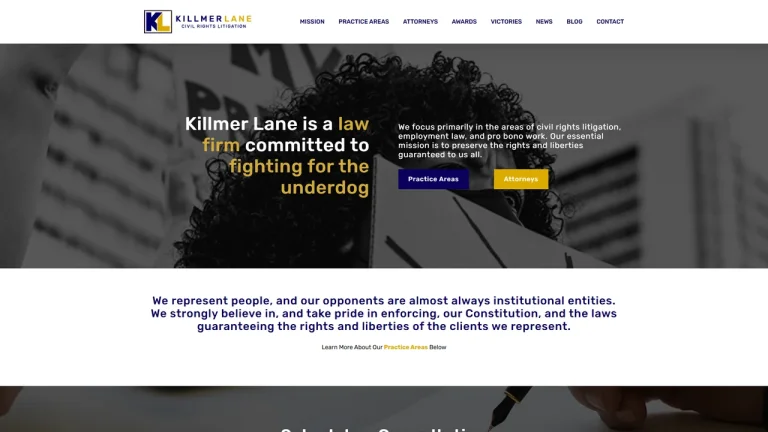
Killmer Lane, LLP - Denver, CO

Wick & Trautwein, LLC - Fort Collins, CO

Coan, Payton & Payne, LLC - Greeley, CO

Ragab Law Firm, P.C. - Boulder, CO
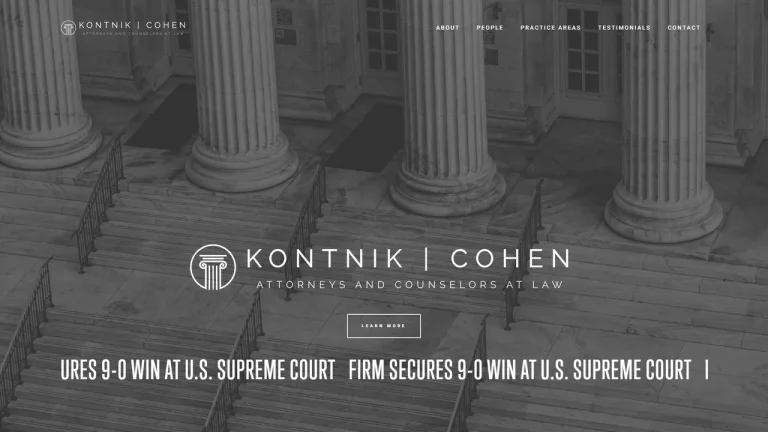
Kontnik | Cohen, LLC - Denver, CO
Michael S. Krieger LLC, Denver Social Security Disability Lawyer - CO
Amy Hartman - Boulder, CO
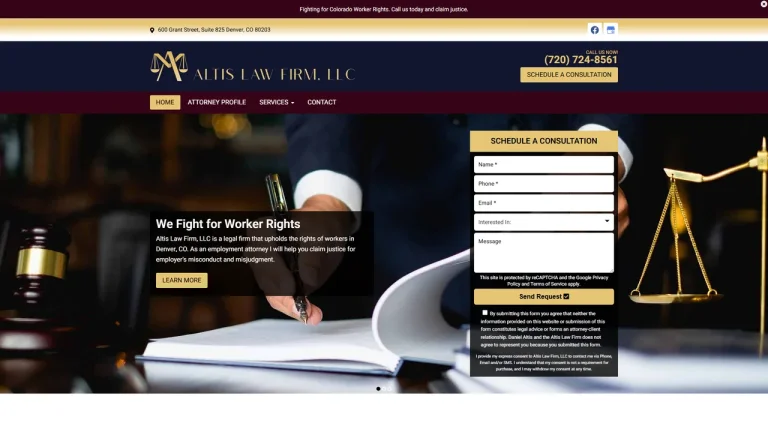
Altis Law Firm, LLC - Denver, CO
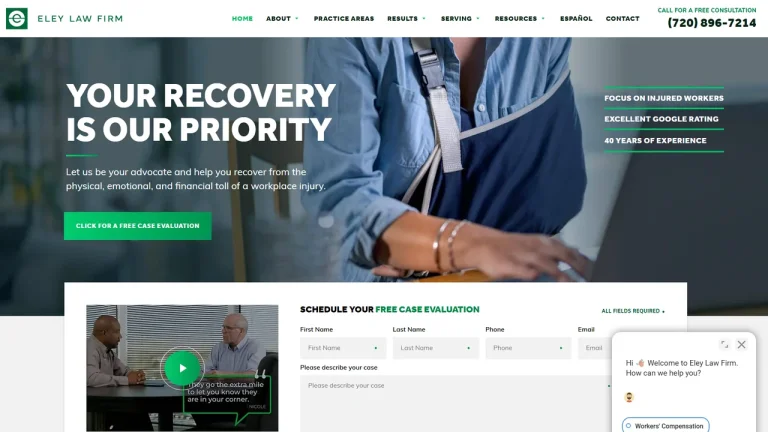
Eley Law Firm - Denver, CO

Cornish and Dell'Olio, P.C. - Colorado Springs, CO
Swain Law, LLC - Denver, CO
James Abrams, Ph.D., J.D., Law Offices of James Abrams - Denver, CO
Robinson & Henry, P.C. - Denver, CO
Employers Council - Colorado Springs, CO
Ian Kalmanowitz (Cornish & Dell'Olio) - Colorado Springs, CO

LeRoux Law LLC - Westminster, CO
Mitchiner Law LLC - Denver, CO
The Spear Firm - Greeley, CO
Law Office of O'Toole & Sbarbaro, PC - Denver, CO
Colorado Workplace Protections & Judicial Venues
Employment relationships in Colorado are governed by robust state statutes designed to protect workers across diverse commercial corridors, from the Denver Tech Center and Colorado Springs aerospace hubs to northern manufacturing centers in Fort Collins and Greeley. State labor standards are primarily administered by the Colorado Department of Labor and Employment (CDLE) and the Colorado Civil Rights Division (CCRD), both headquartered in Denver.
When workplace grievances escalate beyond administrative mediation, legal actions are adjudicated in Colorado District Courts or within the federal jurisdiction of the U.S. District Court for the District of Colorado, located at the Alfred A. Arraj U.S. Courthouse in downtown Denver. Colorado employment attorneys licensed through the Colorado Supreme Court Office of Attorney Regulation Counsel bring vital familiarity with regional corporate practices and state judicial procedures.
From combating wage theft and retaliatory discharge to negotiating executive severance packages and challenging unlawful restrictive covenants, dedicated legal advocates ensure employees and executives preserve their financial interests. Retaining an attorney early allows workers to compile necessary workplace documentation, adhere to strict filing deadlines, and pursue statutory remedies effectively.
Colorado Employment Law Fee Models & Case Costs
| Case Scenario | Fee Structure | Estimated Cost (USD) | Key Cost Determinants |
|---|---|---|---|
| Unpaid Wages & Overtime Recovery | Contingency or Statutory Fee-Shifting | 33.3% - 40% of Recovery | Completeness of payroll timesheets, availability of statutory liquidated damages, and employer financial viability. |
| Executive Severance & Non-Compete Review | Flat Fee or Hourly | $800 - $2,800 | Agreement length, equity compensation provisions, and compliance with statutory non-compete salary thresholds. |
| Workplace Discrimination / Harassment (CCRD) | Contingency or Hybrid Retainer | 33.3% - 40% (or $3,000 - $7,500 Initial) | Exhaustion of administrative remedies, corroborating coworker testimony, and employer defense tactics. |
| Complex Retaliatory Discharge Litigation | Hourly with Retainer | $10,000 - $35,000+ | Extensive electronic discovery, motion practice, depositions of corporate officers, and trial duration. |
Critical Legal Deadlines & Statutes in Colorado
Workers in Colorado must navigate strict filing windows to preserve claims against current or former employers. Discrimination, harassment, and retaliation claims governed by the Colorado Anti-Discrimination Act (CADA) must be filed with the Colorado Civil Rights Division within 300 days of the unlawful practice pursuant to Colo. Rev. Stat. § 24-34-403. Failing to file with the CCRD within this statutory window permanently bars state administrative and judicial relief.
For wage disputes, the Colorado Wage Claim Act codified under Colo. Rev. Stat. § 8-4-122 mandates that actions for unpaid wages, bonuses, or commissions must be commenced within two years from the date the cause of action accrued, with the timeline extending to three years for willful employer violations. Formal demands for earned wages require written notice under Colo. Rev. Stat. § 8-4-103, affording the employer fourteen days to pay in full before statutory penalties of up to 125% of the unpaid sum attach. Contractual employment disputes are governed by a three-year limitation period under Colo. Rev. Stat. § 13-80-101.
Small Claims Agency Filings vs. Retaining Private Employment Counsel
When resolving relatively small wage discrepancies under $7,500, employees can utilize the simplified Colorado County Court small claims division under Colo. Rev. Stat. § 13-6-403, or file an administrative claim directly with the Colorado Department of Labor and Employment (CDLE) Division of Labor Standards and Statistics. These direct routes provide streamlined recovery without mandatory legal representation for undisputed paychecks or clearly documented commission balances.
However, when a dispute involves complex workplace issues such as wrongful termination, whistleblower retaliation, constructive discharge, or violations of the Equal Pay for Equal Work Act under Colo. Rev. Stat. § 8-5-102, retaining experienced private counsel becomes critical. Skilled employment litigators understand how to overcome employer summary judgment motions, subpoena internal company communications, navigate statutory fee-shifting provisions that require employers to cover legal costs, and negotiate substantial out-of-court settlements.
Red Flags to Watch for When Hiring a Colorado Labor Attorney
- Unrealistic Settlement Promises: Be wary of practitioners who promise astronomical monetary recoveries during an initial consultation before reviewing timesheets, personnel files, or corporate documentation.
- Ignorance of Colorado Restrictive Covenant Laws: Ensure your attorney is thoroughly versed in Colo. Rev. Stat. § 8-2-113, which strictly regulates non-compete and non-solicitation clauses based on precise statutory salary thresholds.
- Vague Retainer and Cost Provisions: Require clear contractual terms detailing how deposition transcripts, expert witness fees, and administrative filing fees will be handled if your case proceeds on a contingency arrangement.
- Failure to Offer Early Mediation Strategies: An ethical, reputable employment attorney should actively explore confidential pre-litigation mediation to save you significant emotional distress and prolonged courtroom costs.
Frequently Asked Questions
Are non-compete agreements enforceable against employees in Colorado?
Under Colo. Rev. Stat. § 8-2-113, non-compete covenants are void in Colorado unless they meet specific statutory exemptions and involve highly compensated workers who earn above the state annual salary threshold established by the CDLE. Employers must also provide separate, formal written notice of the covenant before employment begins or before the terms take effect.
What protections are provided under the Colorado Equal Pay for Equal Work Act?
The Colorado Equal Pay for Equal Work Act, codified under Colo. Rev. Stat. § 8-5-102, prohibits wage differentials based on sex or gender for substantially similar work, unless justified by seniority, merit, or geographic factors. The law also requires Colorado employers to post transparent wage ranges and benefits for all open positions and promotional opportunities.
How does the Colorado Healthy Families and Workplaces Act affect paid sick leave?
Pursuant to Colo. Rev. Stat. § 8-13.3-403, all Colorado employers regardless of size must provide accrued paid sick leave at a rate of one hour of paid leave for every thirty hours worked, up to a minimum of forty-eight hours per year. Employers are strictly prohibited from retaliating against employees who request or utilize statutory sick leave.
Can employees recover attorney fees in Colorado wage disputes?
Yes, under the Colorado Wage Claim Act codified at Colo. Rev. Stat. § 8-4-110, employees who prevail in formal judicial actions to recover unpaid wages are generally entitled to recover reasonable attorney fees and court costs incurred during the litigation, alongside statutory penalty assessments.
What is the administrative exhaustion requirement before filing a discrimination lawsuit?
Before filing a civil discrimination lawsuit in Colorado District Court, an employee must first exhaust administrative remedies by filing a charge of discrimination with the Colorado Civil Rights Division (CCRD) under Colo. Rev. Stat. § 24-34-403. Once the agency completes its investigation or issues a formal right-to-sue notice, the employee has ninety days to commence civil litigation in court.