
Patent Attorneys in Colorado
Protecting your invention across Colorado's thriving technology corridors requires experienced legal counsel registered with the federal patent office. A qualified Colorado patent attorney prepares robust applications, conducts prior art searches, and defends intellectual property assets. Explore our verified directory below to schedule an initial consultation.
Bold Patents Law Firm - Denver, CO

Voz Patents - Denver, CO

Aspire Intellectual Property Law Group, LLC - Colorado Springs, CO

Duft Bornsen & Fettig, LLP - Boulder, CO

Holland & Hart LLP - Boulder, CO

Juneau & Mitchell Patent & Trademark Law Firm - Fort Collins, CO
Fargo Patent & Business Law - Colorado Springs, CO
acuityIP. - Arvada, CO
The Inventor's Friend Patent Law Firm - Denver, CO
Sheridan Ross P.C. - Denver, CO

MP Patents, LLC - Boulder, CO
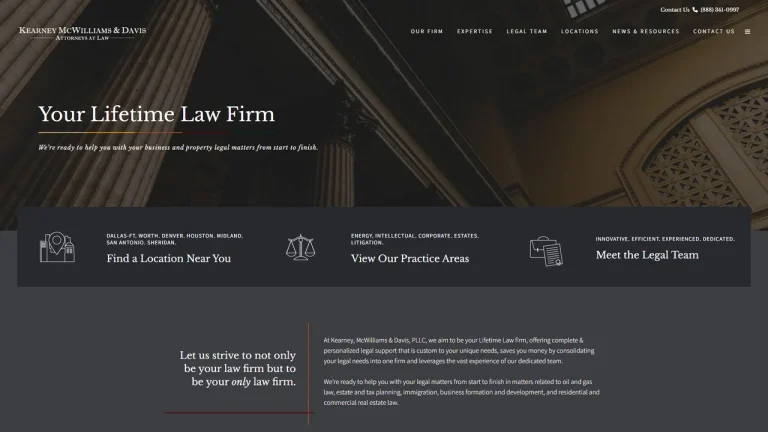
Kearney, McWilliams & Davis - Denver, CO
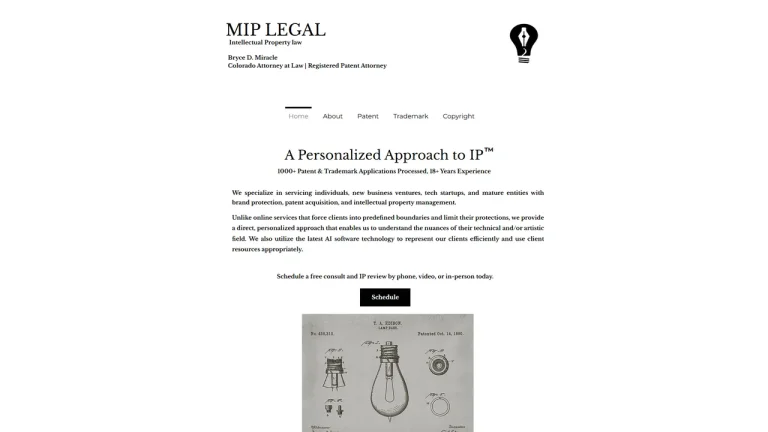
MIP LEGAL, LTD. - Denver, CO
Ballard Spahr LLP - Boulder, CO
Pixel Law - Boulder, CO
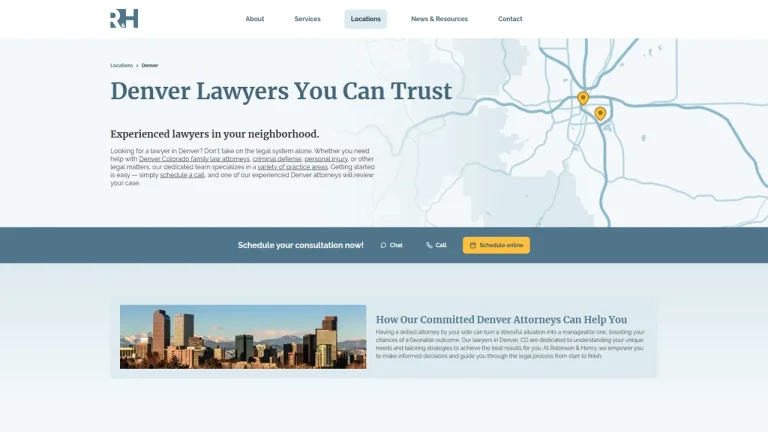
Robinson & Henry, P.C. - Denver, CO
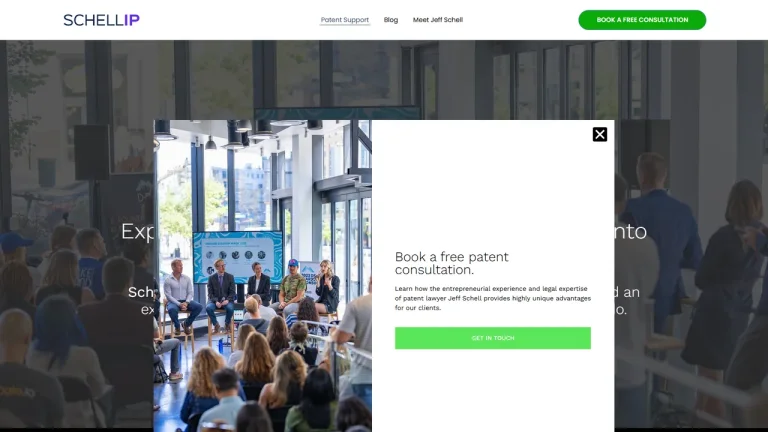
Schell IP - Denver, CO
Bold Patents Law Firm - Boulder, CO

IP Law USA - Boulder, CO
Forbush Legal, PLLC - Colorado Springs, CO

Hunziker Legal Services - Boulder, CO
Milgrom Daskam & Ellis - Denver, CO

Merchant & Gould P.C. - Denver, CO
Protecting Innovation Across Colorado Tech Corridors and Federal Courts
Colorado is a recognized national hub for technological innovation, fostering high-growth industries spanning aerospace, bioscience, cleantech, quantum computing, and software engineering. From the Boulder innovation ecosystem and the Denver Tech Center to advanced research institutes in Fort Collins and defense-tech operations in Colorado Springs, inventors require specialized intellectual property representation. Colorado hosts the United States Patent and Trademark Office (USPTO) Rocky Mountain Regional Office located in downtown Denver, providing regional practitioners with direct access to examiner interviews, educational programs, and administrative patent resources.
Securing and defending a patent demands dual-licensed representation. Patent attorneys must hold an active law license from the Colorado Supreme Court and maintain registered admission to the USPTO Patent Bar under federal standards. When patent litigation arises, federal law grants exclusive subject-matter jurisdiction to the federal judiciary. Infringement claims, inventorship disputes, and trade secret claims are litigated before the United States District Court for the District of Colorado at the Alfred A. Arraj Courthouse in Denver, with federal appellate reviews handled by the United States Court of Appeals for the Federal Circuit.
Colorado patent attorneys also represent emerging startups, research universities, and enterprise corporations before the Patent Trial and Appeal Board (PTAB). Whether drafting comprehensive utility patent specifications or defending against Inter Partes Review petitions, local counsel provides the technical background and legal acumen necessary to protect market exclusivity across global markets.
Colorado Patent Legal Services & Prosecution Fee Guide
| Case Scenario | Fee Structure | Estimated Cost (USD) | Key Cost Determinants |
|---|---|---|---|
| Prior Art Search & Patentability Opinion | Flat Fee | $1,500 - $3,500 | Technical complexity, density of existing competitive landscape, and depth of analysis. |
| Provisional Patent Application Preparation | Flat Fee | $3,000 - $6,000 | Completeness of disclosure, technical drawings, and degree of specification detail. |
| Non-Provisional Utility Patent Prosecution | Flat Fee + USPTO Fees | $8,500 - $16,000+ | Number of claims, software vs. hardware engineering, and responding to office actions. |
| Federal Patent Infringement Litigation | Hourly with Retainer | $50,000 - $250,000+ | Markman claim construction hearings, expert reports, e-discovery scope, and trial length. |
Critical Legal Deadlines & Statutes in Colorado
Strict statutory timelines govern patent acquisition and litigation, where missing a single filing date can result in forfeiture of invention ownership. Under the America Invents Act, the United States operates under a first-inventor-to-file system. In accordance with 35 U.S. Code § 102(b), an inventor has a strict one-year grace period following any public disclosure, commercial sale, or public use of the invention to file a patent application; after this one-year window lapses, the invention enters the public domain and can never be patented.
For applicants utilizing provisional patent filings, 35 U.S. Code § 111(b) dictates that a provisional patent application expires automatically 12 months after its filing date and cannot be extended. A non-provisional application claiming priority to the provisional must be filed before that 12-month date to preserve the priority filing benefit. In enforcement matters before the US District Court for the District of Colorado, 35 U.S. Code § 286 limits monetary damages to infringement occurring within six years prior to the filing of the complaint, while the Colorado Uniform Trade Secrets Act sets a three-year statute of limitations for trade secret misappropriation claims under Colo. Rev. Stat. § 7-74-107.
Small Claims Limitations and Patent Representation
Under Colo. Rev. Stat. § 13-6-403, Colorado Small Claims Courts handle limited financial disputes up to $7,500. However, under 28 U.S. Code § 1338(a), federal courts maintain exclusive jurisdiction over civil actions arising under any federal patent statute. State County Courts and Small Claims divisions have no legal authority to determine patent validity, address patent infringement, or adjudicate USPTO inventorship disputes.
Attempting to draft and file patent applications without registered patent counsel carries substantial risks. Amateur claim drafting frequently results in overly narrow claims that competitors easily bypass, or overly broad claims rejected during examination. Retaining an attorney who has passed the USPTO registration examination ensures claims are strategically structured to withstand examination and support aggressive commercial licensing or courtroom enforcement.
Red Flags When Selecting a Colorado Patent Attorney
- Unaccredited Invention Promotion and Submission Companies: Steer clear of commercial invention marketing outfits that guarantee commercial success while charging inflated fees for substandard non-defensible patent filings.
- Lack of Official USPTO Patent Bar Registration: Confirm that your patent practitioner is officially listed as a registered patent attorney or patent agent in the USPTO Office of Enrollment and Discipline directory.
- Absence of Relevant Technical Academic Training: Patent drafting requires deep technical comprehension; ensure your attorney holds a recognized degree in your field, such as electrical, mechanical, chemical, or software engineering.
- Promises of Guaranteed Patent Issuance: No ethical practitioner can guarantee that the USPTO will issue a patent or that an examiner will not cite disqualifying prior art rejections.
Frequently Asked Questions
What is the practical difference between a patent attorney and a patent agent?
Both patent attorneys and patent agents can prepare and file patent applications with the USPTO. However, only licensed patent attorneys can draft licensing contracts, provide commercial legal opinions, and represent clients in court litigation.
Does filing a provisional patent application give me actual patent protection?
No. A provisional patent application simply establishes an official early priority filing date and allows you to mark your product as 'patent pending.' It must be converted into a non-provisional application within 12 months to mature into an issued patent.
How long does it take for the USPTO to grant a utility patent?
The standard examination timeline typically ranges from 18 to 36 months, depending on the technological discipline, backlogs within the specific examining art unit, and whether Track One prioritized examination is requested.
Can software and computer algorithms be patented under current federal law?
Yes, provided the software produces a practical technological improvement or solves a specific technical problem rather than simply executing an abstract mathematical formula on a generic computer processor.
How does the presence of the USPTO Rocky Mountain Regional Office in Denver benefit local applicants?
The Denver regional office offers local access to patent examiners, face-to-face interview facilities, patent clinics, and public search resources, streamlining administrative interactions for regional inventors.