
Tax Lawyers in Colorado
Resolving state tax disputes in Colorado requires an in-depth understanding of Department of Revenue procedures and statutory protest deadlines. Working with a qualified Colorado tax attorney protects your financial interests and helps achieve negotiated settlements outside of court. Explore our directory below to schedule a case review with trusted local tax practitioners.

Richard D Clark & Associates - Fort Collins, CO

Robert B. Keyser II, LLC - Colorado Springs, CO

W. B. Moore Law - Fort Collins, CO

Anderson & Jahde, P.C. - Denver, CO

John D. Claudell, Esq. PC - Boulder, CO

MKP Law - Fort Collins, CO

Hammond Law Group PC - Colorado Springs, CO

Keating & Lyden, LLC - Boulder, CO

Newmoon Law, PC - Pueblo, CO

TaxHelpLaw, J David Hopkins - Pueblo, CO

Kamlet LLP - Denver, CO
Komor Law Firm, LLC - Boulder, CO
Defense Tax Partners - Lakewood, CO
Wallace Beattie Law Firm LLC - Arvada, CO

Instant Tax Solutions - Denver, CO

Colonial Tax Consultants - Denver, CO
Algirdas M. Liepas, PC - Fort Collins, CO

Senior Tax Advisory Group - Colorado Springs, CO

Beem and Isley, P.C. - Denver, CO

Merriam Law Firm, P.C. - Denver, CO
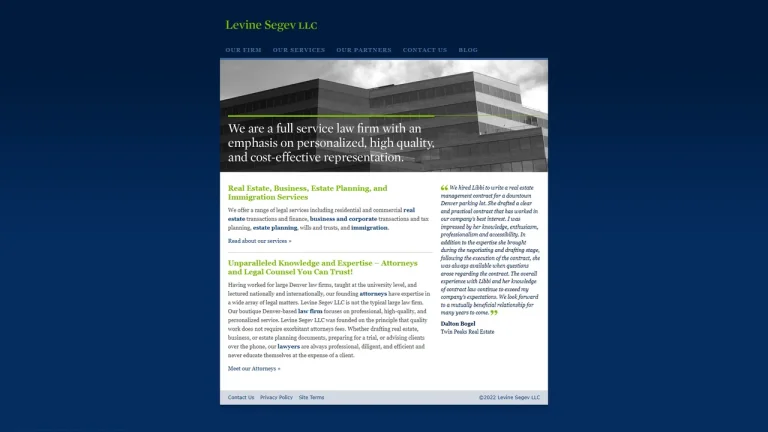
Levine Segev LLC - Denver, CO

Boxelder Consulting & Tax Relief - Denver, CO

Suzanna Wasito Tiftickjian, LLC - Denver, CO
Navigating Colorado State Tax Laws and Administrative Procedures
State tax compliance in Colorado presents distinct challenges due to the state's dual administrative framework, which separates state-collected levies from self-collected taxes in self-governing home-rule municipalities. The Colorado Department of Revenue, headquartered in Denver, oversees state income tax, sales and use tax, and corporate excise assessments. Taxpayers facing audit assessments across the Front Range-including the Denver-Aurora-Lakewood metropolitan area, Colorado Springs, Boulder, and Fort Collins-must navigate precise administrative appeal channels rather than standard civil litigation to resolve contested liabilities.
When an administrative resolution cannot be reached through informal conferences, contested tax matters proceed to the Colorado Office of Administrative Courts or move forward to the Colorado District Court system, such as the 2nd Judicial District Court in Denver. Colorado tax attorneys licensed by the Colorado Supreme Court and in good standing with the Colorado Bar Association provide essential guidance through these structured formal hearings. Their local experience ensures strict compliance with state procedural rules while formulating settlement strategies that mitigate ongoing accruals of penalties and statutory interest.
Beyond state-level taxation, Colorado businesses and property owners regularly confront complicated local tax compliance, including county-level property valuations governed by County Boards of Equalization and complex home-rule sales tax audits. A knowledgeable Colorado tax practitioner evaluates municipal ordinances alongside state statutes, identifying unlawful double taxation, misclassified exemptions, and procedural errors committed during administrative tax audits.
Colorado Tax Legal Representation Fee Guide
| Case Scenario | Fee Structure | Estimated Cost (USD) | Key Cost Determinants |
|---|---|---|---|
| State Audit Defense & Deficiency Protest | Hourly Rate | $300 - $600 / hr | Complexity of records, number of audited tax years, and volume of disputed deductions. |
| Colorado Department of Revenue Offer in Compromise | Flat Fee or Hourly | $3,500 - $8,000 | Asset valuation complexity, calculation of disposable income, and active collection actions. |
| Colorado District Court Tax Litigation | Hourly with Retainer | $10,000 - $35,000+ | Motion practice, expert financial testimony, discovery scope, and appellate filings. |
| Business Sales & Use Tax Compliance Review | Flat Fee | $2,000 - $5,500 | Multi-jurisdiction home-rule exposure, point-of-sale systems, and transaction volume. |
Critical Legal Deadlines & Statutes in Colorado
Strict statutory timelines govern tax appeals in Colorado, and missing a filing window can permanently extinguish administrative review rights. Under Colo. Rev. Stat. § 39-21-103, a taxpayer receiving a Notice of Deficiency from the Colorado Department of Revenue has exactly 30 days from the mailing date to file a formal written protest requesting an administrative hearing. Failure to lodge this protest results in the proposed assessment becoming final and subject to immediate collection action, including state tax liens and bank levies.
For judicial reviews, if an adverse final determination is issued by the Executive Director of the Department of Revenue, the taxpayer must appeal to the appropriate Colorado District Court within 30 days pursuant to Colo. Rev. Stat. § 39-21-105, which generally mandates posting a bond or depositing the disputed tax amount. Additionally, the standard statute of limitations for the assessment of Colorado state income taxes is three years from the date the return was filed under Colo. Rev. Stat. § 39-21-107, though this window expands significantly if returns are unfiled or deemed fraudulent.
Small Claims Limitations and Tax Representation in Colorado
Under Colo. Rev. Stat. § 13-6-403, the jurisdictional limit for Colorado Small Claims Courts, which function as divisions of County Courts, is $7,500. While these small claims divisions offer an expedited forum for minor civil debt disputes, they do not hold subject-matter jurisdiction to modify, abate, or rule upon Colorado Department of Revenue tax assessments. State and municipal tax assessments must proceed through designated administrative appeal channels or the Colorado District Courts.
Attempting to handle tax disputes pro se before the Department of Revenue or the Colorado Office of Administrative Courts presents serious risks. Administrative tax hearings follow strict evidentiary rules, and any legal arguments or factual positions not introduced during administrative stages are routinely deemed waived on subsequent judicial appeal. Retaining an attorney ensures administrative filings preserve critical constitutional and statutory challenges while protecting against arbitrary tax levies.
Red Flags When Selecting a Colorado Tax Attorney
- Promising Guaranteed Tax Reductions: Legitimate tax practitioners will never guarantee a specific settlement figure or claim they can eliminate state taxes without first conducting a detailed financial review.
- Unfamiliarity with Colorado Home-Rule Taxing Authorities: Colorado features dozens of independent home-rule municipalities; legal counsel lacking familiarity with local licensing and sales tax structures cannot properly protect multi-jurisdiction business owners.
- Pressure for Substantial Upfront Non-Refundable Cash Fees: Be cautious of firms demanding steep non-refundable fees without a clear written engagement agreement detailing hourly billing rates or specific milestone deliverables.
- Lack of Active Colorado Supreme Court Licensure: Always verify that an attorney is actively registered and in good standing with the Colorado Supreme Court Office of Attorney Regulation Counsel before disclosing confidential financial documentation.
Frequently Asked Questions
What is the difference between an administrative tax appeal and a judicial tax appeal in Colorado?
An administrative appeal begins directly with the Colorado Department of Revenue or the Office of Administrative Courts, where a hearing officer reviews the assessment. A judicial appeal occurs in a Colorado District Court after administrative remedies have been exhausted, requiring formal pleadings and statutory bond postings.
Can the Colorado Department of Revenue garnish wages or freeze bank accounts without a court order?
Yes. Once a tax liability becomes final and delinquent, the Colorado Department of Revenue possesses statutory administrative authority to issue notices of levy to financial institutions and employers without needing to obtain a separate judicial judgment.
Does Colorado offer an Offer in Compromise program for delinquent state taxes?
Yes. Colorado allows qualifying taxpayers with severe economic hardship or doubtful collectibility to submit an Offer in Compromise to settle outstanding tax obligations for less than the full balance owed, evaluated under strict financial disclosure guidelines.
How do home-rule city taxes complicate a Colorado state tax audit?
Self-collected home-rule cities like Denver, Boulder, and Aurora administer their own tax codes and conduct independent audits. A settlement reached with the Colorado Department of Revenue does not resolve liability with independent home-rule jurisdictions, requiring coordinated legal responses.
How do I verify a Colorado tax attorney's standing and credentials?
You can verify an attorney's current license, disciplinary history, and registration status directly through the Colorado Supreme Court Office of Attorney Regulation Counsel public directory.