
Harassment Lawyers in Bridgeport
Retaining an assertive harassment lawyer in Bridgeport protects your safety and professional dignity against unlawful workplace mistreatment. Top employment attorneys can intervene quickly to halt hostile work environments, negotiate confidential exits, and enforce state anti-retaliation protections. Browse our verified directory below to schedule a confidential legal consultation with experienced Bridgeport practitioners.
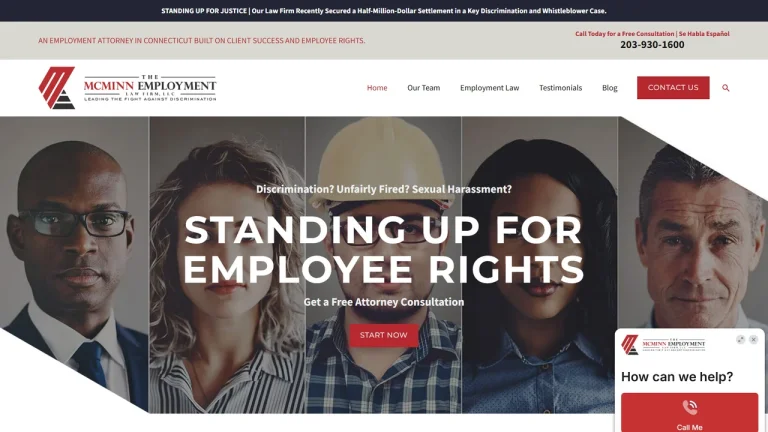
The McMinn Employment Law Firm, LLC - Bridgeport, CT
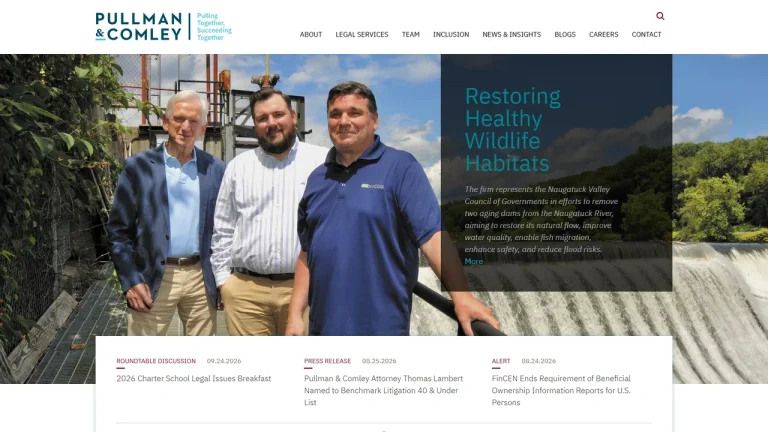
Pullman & Comley, LLC - Bridgeport, CT
Bridgeport Personal Injury Attorney At Law Brandon J. Broderick - Bridgeport, CT
Combating Workplace Harassment in Bridgeport and Fairfield County
Workplace harassment and hostile work environments inflict severe personal and financial hardship on employees. Connecticut law strictly prohibits workplace harassment based on sex, race, color, sexual orientation, disability, religion, and other protected traits. Whether behavior takes the form of pervasive sexual advances, degrading racial slurs, or systemic bullying that alters working conditions, employers in Bridgeport have an affirmative legal duty to maintain a harassment-free workplace.
Legal enforcement in Bridgeport begins by reporting conduct internally and proceeding through state administrative agencies. The Connecticut Commission on Human Rights and Opportunities (CHRO) Southwest Regional Office, located at 350 Fairfield Avenue in Downtown Bridgeport, oversees statutory enforcement. When internal company procedures fail to remedy the hostility, filing a CHRO charge puts the employer under formal regulatory scrutiny.
If conciliation cannot resolve the dispute, civil litigation takes place within the Fairfield Judicial District at Bridgeport Superior Court on Main Street, or in the U.S. District Court for the District of Connecticut on Lafayette Boulevard. Experienced Bridgeport harassment lawyers represent workers across the metropolitan area, including Downtown, the North End, Brooklawn, and nearby Fairfield County commercial corridors such as Stratford, Trumbull, and Milford, ensuring that aggressive legal action holds corporate wrongdoers accountable.
Workplace Harassment Case Types, Legal Fees, and Cost Determinants
| Case Scenario | Fee Structure | Estimated Cost (USD) | Key Cost Determinants |
|---|---|---|---|
| Internal HR Grievance Guidance & Severance Exit | Hourly Rate or Flat Counsel Fee | $850 to $2,800 | Review of company reporting policies, drafting confidential separation terms |
| CHRO Hostile Work Environment Charge & Mediation | Hybrid Retainer or Flat Rate | $2,500 to $6,000 | Affidavit preparation, corroborating witness statements, attendance at CHRO conferences |
| Severe Quid Pro Quo Harassment Lawsuit | Contingency Fee (33.3% to 40%) | $0 upfront; attorney advances litigation costs | Supervisor involvement, tangible adverse employment actions, documentation strength |
| Superior Court Jury Trial for Constructive Discharge | Mixed Retainer or Pure Contingency | $8,000 to $25,000 retainer (or contingency) | Extensive depositions in Bridgeport, medical and psychological expert testimony |
Critical Legal Deadlines & Statutes in Connecticut
Timely action is essential when confronting workplace harassment in Bridgeport. Under the Connecticut Fair Employment Practices Act, codified at Conn. Gen. Stat. § 46a-60, sexual harassment and hostile work environment discrimination are explicitly unlawful. Connecticut mandates that any administrative harassment complaint must be filed with the CHRO within 300 days of the most recent harassing incident pursuant to Conn. Gen. Stat. § 46a-82. In situations involving ongoing conduct, the continuing violation doctrine may apply, but preserving prompt filing dates is vital to avoid forfeiture.
Employers in Connecticut are subject to comprehensive mandatory training requirements. Under Conn. Gen. Stat. § 46a-54, known as part of the Time's Up Act, employers with three or more employees must provide two hours of sexual harassment training to all employees. When an employer fails to provide required training or ignores substantiated internal harassment reports, that failure serves as powerful evidence of liability in court.
Once the CHRO issues a Release of Jurisdiction under Conn. Gen. Stat. § 46a-101, the employee has a strict 90-day limitation period to file a civil complaint in the Bridgeport Superior Court. If physical assault, battery, or intentional infliction of emotional distress accompanied the workplace harassment, separate common law tort claims can be brought within the three-year statute of limitations established by Conn. Gen. Stat. § 52-577.
Small Claims Limits vs. Professional Legal Representation
The Small Claims Session of the Connecticut Superior Court has a statutory recovery cap of $5,000 pursuant to Conn. Gen. Stat. § 51-15. By explicit court rule and statutory structure, small claims court is prohibited from hearing harassment, slander, libel, or civil rights claims. The informal small claims docket cannot issue protective restraining orders against managers, mandate corporate policy reforms, or award non-economic compensation for psychological trauma.
Navigating a workplace harassment claim requires sophisticated legal strategy in the Bridgeport Superior Court Civil Division. An experienced employment lawyer establishes corporate liability under both supervisory and coworker harassment standards, defeats employer affirmative defenses regarding prompt remedial action, and quantifies emotional distress through expert medical evaluation. Furthermore, under Conn. Gen. Stat. § 46a-104, courts are authorized to award punitive damages and reasonable attorney's fees, providing substantial financial remedies impossible to achieve without professional counsel.
Red Flags When Hiring a Workplace Harassment Lawyer in Bridgeport
- Advising Immediate Resignation Without a Plan: An attorney should never recommend abruptly quitting without properly documenting the harassment through official company channels, as doing so can severely jeopardize a constructive discharge claim.
- Ignoring Anti-Retaliation Protections: Be cautious of counsel who fails to explain how Conn. Gen. Stat. § 46a-60 shields you from employer blowback after you assert your rights.
- Vague Explanations of Non-Economic Damages: Ensure the retainer agreement clearly outlines how legal fees apply to emotional distress settlements and court-awarded statutory attorney fees.
- Lack of Local Trial Court Practice: Verify that your attorney regularly practices in the Bridgeport Superior Court at 1061 Main Street and possesses actual trial experience before Fairfield County juries.
Frequently Asked Questions
What qualifies as illegal workplace harassment under Connecticut law?
Workplace harassment is unlawful under Conn. Gen. Stat. § 46a-60 when severe or pervasive unwelcome conduct based on a protected trait creates an intimidating, hostile, or offensive working environment that alters the terms of employment.
Can I hold my employer liable if a coworker or client harassed me in Bridgeport?
Yes. An employer can be held legally liable for coworker or third-party harassment if management knew, or should have known, about the conduct and failed to take immediate and appropriate corrective action.
What is the deadline to file a workplace harassment complaint in Bridgeport?
Under Conn. Gen. Stat. § 46a-82, an administrative complaint must be filed with the Connecticut Commission on Human Rights and Opportunities (CHRO) within 300 days of the most recent harassing act.
What should I do if my supervisor retaliates after I report harassment?
Employer retaliation is an independent statutory violation under Conn. Gen. Stat. § 46a-60. You should immediately document the retaliatory actions and consult an employment attorney to amend your CHRO complaint or seek emergency injunctive relief.
Can I recover damages for emotional distress in a Connecticut harassment case?
Yes. Connecticut courts allow prevailing employees in workplace harassment and hostile work environment cases to recover compensatory damages for emotional distress, mental anguish, lost wages, and reasonable attorney's fees under Conn. Gen. Stat. § 46a-104.