
Business & Real Estate Lawyers in Connecticut
Engaging an established Connecticut business and real estate lawyer protects your commercial transactions and asset acquisitions from unexpected liabilities. Experienced local attorneys resolve contractual disputes and municipal zoning obstacles through proactive negotiation, keeping commercial ventures on schedule. Explore our comprehensive directory below to retain a vetted attorney across Connecticut today.

J. Davenport Legal - Norwalk, CT
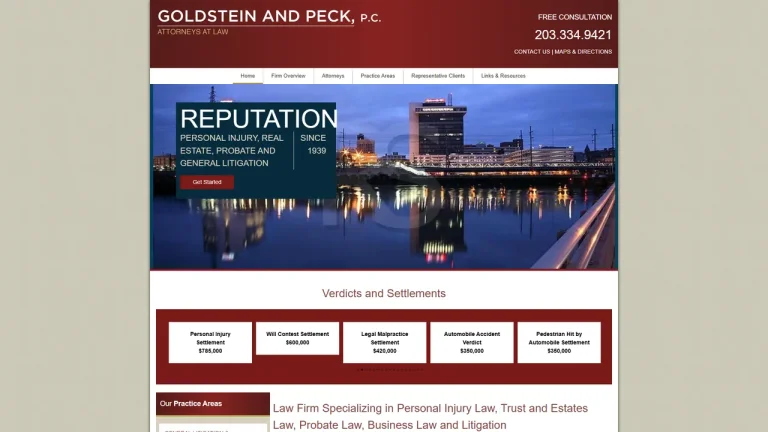
Goldstein and Peck, P.C. - Bridgeport, CT

Stenger Law, P.C. - Norwalk, CT

Tornatore Law, LLC - Norwalk, CT

Hoekenga Machado & Lyon, LLC - Danbury, CT

Szilagyi & Daly - Hartford, CT

Law Offices of Kirsten E. Bennett - Danbury, CT
Polivy & Taschner LLC - Hartford, CT

Stephen Harding Law - Danbury, CT

Forghany Law P.C. - Hartford, CT

The Glynn Law Firm, P.C. - Danbury, CT
Brown Rudnick LLP - Hartford, CT

Mancini & Associates, LLC - Hartford, CT
Law Offices of Seth J. Arnowitz, LLC - Stamford, CT
William R. Donaldson, Esq. - Danbury, CT
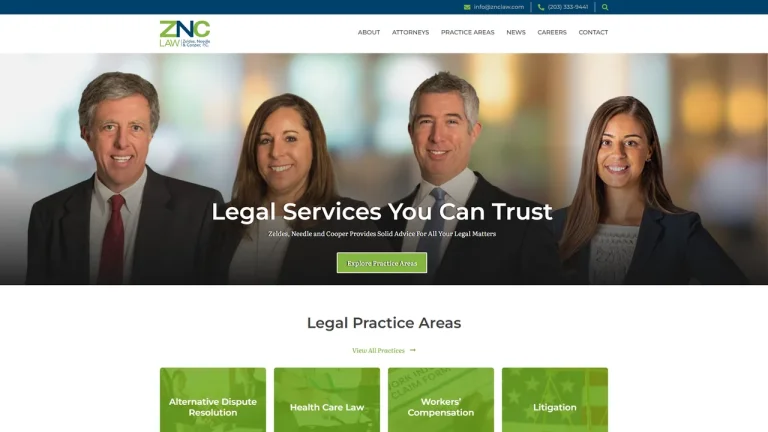
Zeldes, Needle & Cooper PC - Bridgeport, CT

Skiber Law - Bridgeport, CT

Law Office of Albert Unger LLC - Stamford, CT

Salvatore Law Group - Waterbury, CT

Morrison Mahoney LLP - Hartford, CT
Siegel O'Connor O'Donnell Beck P.C. - Hartford, CT
The Law Offices of Raymond J. Antonacci, LLC - Waterbury, CT
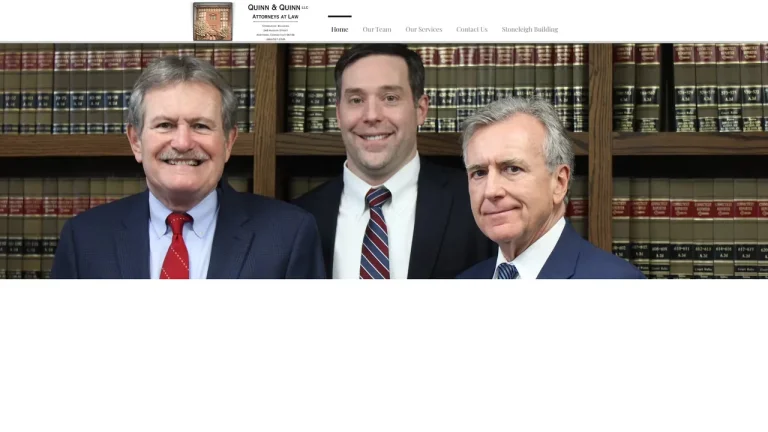
Quinn & Quinn, LLC - Hartford, CT
The Critical Role of Connecticut Business & Real Estate Counsel
Commercial transactions and real property developments in Connecticut demand thorough knowledge of unique regional statutes and municipal protocols. Operating across Fairfield County, Greater Hartford, New Haven, and New London involves varied local planning commissions, strict conveyance tax obligations, and distinct commercial market realities. Engaging a local legal professional ensures that contract negotiations, corporate governance, and property transfers align with statutory requirements from inception.
Connecticut is fundamentally an attorney-closing state for real estate transactions, meaning legal representation is customary and necessary to certify clear title, execute loan instruments, and oversee escrow disbursements. Beyond standard residential closings, commercial real estate developers and buyers must navigate complex environmental regulatory requirements under state oversight. Retaining counsel familiar with the Connecticut Department of Energy and Environmental Protection (DEEP) protocols helps protect purchasers from unexpected remediation liabilities.
For ongoing commercial operations, enterprise disputes and contract enforcement matters often proceed before the Connecticut Superior Court system. High-value business disagreements may be assigned to the specialized Complex Litigation Docket (CLD) located in judicial centers such as Stamford, Waterbury, or Hartford. Having seasoned counsel admitted to the Connecticut Bar guarantees that commercial filings, injunctive motions, and partnership dissolutions comply strictly with local practice rules and scheduling standards.
Connecticut Business & Real Estate Legal Fees and Retainer Benchmarks
| Case Scenario | Fee Structure | Estimated Cost (USD) | Key Cost Determinants |
|---|---|---|---|
| Commercial Real Estate Acquisition & Closing | Flat Fee or Hourly | $2,500 - $7,500 | Property valuation, title search complexity, environmental assessment scope, municipal land-use permits. |
| Business Entity Formation & Operating Agreement | Flat Fee | $1,200 - $3,500 | Multi-member ownership structures, equity distribution tiers, buyout triggers, state filing fees. |
| Commercial Lease Drafting & Negotiation | Hourly Billing | $1,500 - $4,500 | Square footage, tenant improvement buildouts, personal guarantees, common area maintenance terms. |
| Complex Business or Land-Use Litigation | Hourly Retainer | $10,000 - $50,000+ | Forensic accounting audits, depositions, expert appraiser fees, Complex Litigation Docket assignment. |
Critical Legal Deadlines & Statutes in Connecticut
Parties executing corporate agreements or property conveyances must comply with strict filing timetables and statutory restriction windows. Entity formation and corporate filings are governed by the Connecticut Uniform Limited Liability Company Act under Conn. Gen. Stat. § 34-243 through the Office of the Secretary of the State. When acquiring commercial real estate classified as an industrial or dry-cleaning establishment, buyers and sellers must observe disclosure obligations under the Connecticut Transfer Act codified at Conn. Gen. Stat. § 22a-134 to avoid transaction delays and environmental penalties.
For contractual breaches, statutory limitation rules define when an enforcement action must be filed. Under Conn. Gen. Stat. § 52-576, parties have six years to initiate legal action for the breach of an executed, written commercial contract. Conversely, oral contracts carry a shorter three-year deadline under Conn. Gen. Stat. § 52-581. In real estate disputes involving land-use appeals from municipal zoning commissions, an aggrieved party must appeal to the Connecticut Superior Court within 15 days of the publication of the board decision pursuant to Conn. Gen. Stat. § 8-8.
Small Claims Limits vs. Professional Representation in Connecticut
When financial disputes arise between vendors, landlords, or contractors, determining the correct judicial forum is vital. The Small Claims Session of the Connecticut Superior Court is authorized under Conn. Gen. Stat. § 51-15 and governed by Conn. Practice Book § 24-1, with a statutory claims cap of $5,000. Small claims sessions provide a simplified, cost-effective venue for recovering modest debts or resolving straightforward vendor payment disagreements without formal evidence rules.
However, small claims courts are precluded from hearing matters involving title to real property, specific performance of real estate contracts, partition actions, or equitable injunctions. Furthermore, summary process evictions for commercial properties must be initiated in the dedicated Housing Session of the Superior Court. When resolving commercial disputes over $5,000, enforcing complex commercial lease provisions, or protecting partnership equity, retaining an experienced Connecticut attorney ensures compliant court pleadings and guards against procedural dismissals.
Red Flags & Vetting Connecticut Business & Real Estate Attorneys
- Non-attorney closing representation: In Connecticut, non-lawyer settlement firms cannot conduct real estate closings; always verify that your closing representative is a licensed attorney under Conn. Gen. Stat. § 51-88.
- Overlooking Connecticut Transfer Act triggers: Real estate counsel must assess whether a commercial parcel triggers environmental transfer filings with DEEP, as omitting this review creates severe personal liability.
- Lack of familiarity with local zoning boards: Municipal land use requires direct experience with specific town planning commissions, from Greenwich to West Hartford.
- Opaque fee arrangements for transactional work: Reputable real estate and corporate lawyers supply written engagement letters delineating closing fees, municipal search costs, and hourly rates for out-of-scope negotiations.
Frequently Asked Questions
Is an attorney required for real estate closings in Connecticut?
Yes. By state standard and Connecticut Bar Association guidelines, buyers and sellers must be represented by licensed attorneys who perform the title examination, prepare legal closing documents, and supervise escrow fund transfers.
What is the Connecticut Transfer Act in commercial real estate?
The Connecticut Transfer Act regulates real property transfers where hazardous waste operations, dry cleaners, or auto body repair facilities once operated, requiring environmental disclosure forms and remediation oversight through DEEP.
How long do I have to file a business breach of contract lawsuit in Connecticut?
Under Connecticut statutes, you have six years from the date of breach for written agreements, whereas actions based on unwritten or oral agreements must be filed within three years.
What is the Connecticut Complex Litigation Docket (CLD)?
The Complex Litigation Docket is an individualized docket within the Connecticut Superior Court where complex corporate, commercial, and multi-party disputes receive customized case management by dedicated judges.
Can a corporate entity represent itself in Connecticut court?
In small claims matters, business entities may appear through authorized corporate officers. However, in all Connecticut Superior Court civil sessions, corporations and LLCs must be represented by a licensed attorney.