
Business Litigation Lawyers in Hartford
Resolving complex commercial disputes in Hartford requires experienced business litigation attorneys to safeguard your company assets and corporate reputation. Skilled trial lawyers utilize mediation, arbitration, and decisive courtroom advocacy to resolve contract and shareholder conflicts before trial expenses escalate. Browse our verified Hartford directory below to schedule a consultation with a seasoned commercial litigator.
Brown Paindiris & Scott, LLP - Hartford, CT

Boyle | Shaughnessy Law - Hartford, CT

Troutman Pepper Locke - Hartford, CT
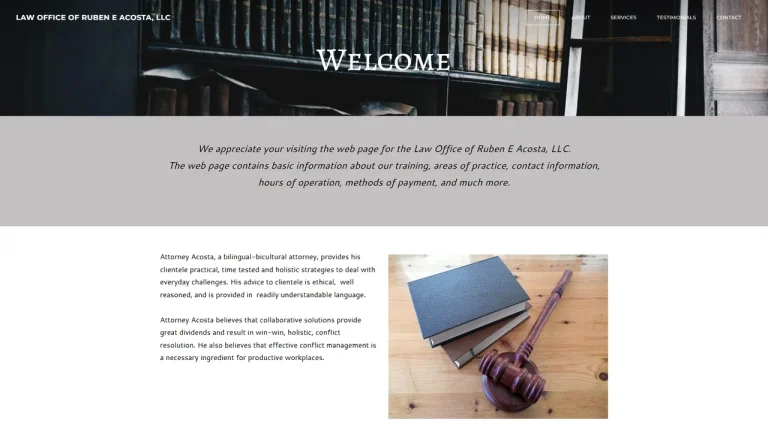
Law Office of Ruben E. Acosta, LLC - Hartford, CT
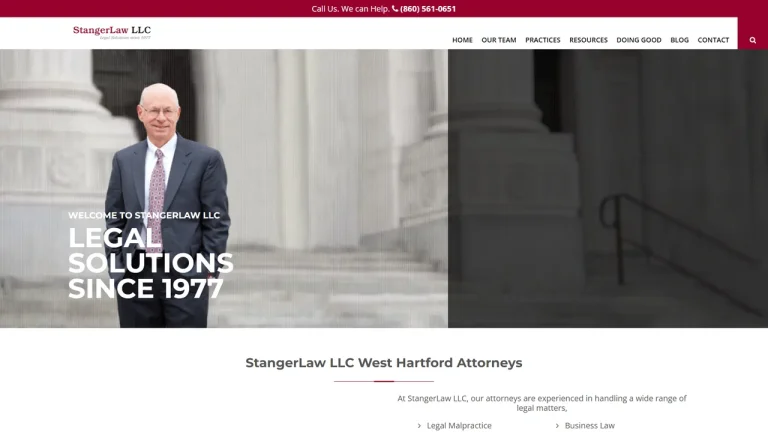
StangerLaw LLC - Hartford, CT

Harris Beach Murtha - Hartford, CT

Hinckley Allen - Hartford, CT
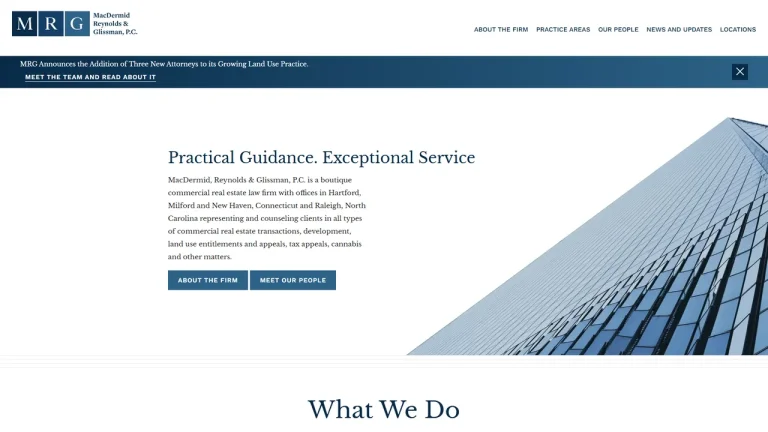
MacDermid Reynolds & Glissman - Hartford, CT

Cooney Scully & Dowling - Hartford, CT

Wiggin and Dana LLP - Hartford, CT

Feiner Wolfson LLC - Hartford, CT

Ollennu & Associates, LLC - Hartford, CT

Hoopes Morganthaler Rausch & Scaramozza LLC - Hartford, CT
Howard Kohn Sprague & Fitzgerald, LLP - Hartford, CT
Alderman & Alderman, LLC - Hartford, CT
Berman Mickelson Dembo & Jacobs LLC - Hartford, CT
Morgan Lewis & Bockius LLP - Hartford, CT

Gordon Rees Scully Mansukhani, LLP - Hartford, CT
Ment Law Group - Hartford, CT

Butler Norris & Gold - Hartford, CT

Law Office of JT Johnson, L.L.C - Hartford, CT

Updike, Kelly & Spellacy, P.C. - Hartford, CT

The Law Office of Ken Namnoum - Hartford, CT
Hartford Commercial Court Jurisdiction & Business Litigation
Hartford serves as the economic nerve center and governmental seat of Connecticut, anchoring robust industries ranging from insurance and financial services to precision manufacturing and healthcare technology. When commercial disputes escalate beyond executive negotiation, resolving these conflicts demands sophisticated trial counsel well-versed in Connecticut practice and local courtroom procedure. In Hartford County, commercial disputes fall under the jurisdiction of the Hartford Judicial District Superior Court, located at 95 Washington Street, with federal actions adjudicated at the Abraham A. Ribicoff Federal Building on Main Street.
High-stakes corporate disputes often qualify for transfer to Connecticut's specialized Complex Litigation Docket (CLD), situated directly within the Hartford Judicial District. The CLD manages intensive commercial controversies, including multi-party shareholder actions, derivative lawsuits, and high-value breach of contract claims. Additionally, Connecticut offers unique statutory dispute tools, notably the Prejudgment Remedy (PJR) under Conn. Gen. Stat. § 52-278a, which enables commercial plaintiffs to attach defendant assets, garnish accounts, or place lis pendens notices on commercial real estate before a final judgment is rendered.
Retaining an established Hartford business litigation attorney ensures that companies operating in Hartford, East Hartford, West Hartford, Manchester, and Windsor navigate both state and federal procedural hurdles effectively. Strategic litigators identify early out-of-court settlement opportunities, manage electronic discovery, and enforce proprietary trade secrets under state unfair trade practices laws.
Hartford Commercial Litigation Fee Schedules & Cost Factors
Commercial litigation fees in Hartford reflect case complexity, anticipated discovery volume, and whether the dispute proceeds on an hourly, hybrid, or contingency structure.
| Case Scenario | Fee Structure | Estimated Cost (USD) | Key Cost Determinants |
|---|---|---|---|
| Breach of Commercial Contract (Conn. Gen. Stat. § 52-576) | Hourly Retainer | $10,000 - $40,000 | Contract ambiguity, volume of commercial correspondence, witness depositions, summary judgment motions. |
| Prejudgment Remedy (PJR) Proceeding (Conn. Gen. Stat. § 52-278d) | Flat or Hourly Retainer | $7,500 - $20,000 | Probable cause evidentiary hearing preparation, asset tracing across Hartford County, bank garnishments. |
| Partnership & LLC Member Dissolution (Conn. Gen. Stat. § 34-267) | Hourly Retainer | $15,000 - $60,000+ | Forensic business valuation, forensic accounting audits, breach of fiduciary duty allegations. |
| CUTPA & Trade Secret Injunction (Conn. Gen. Stat. § 42-110b) | Hourly + Trial Per Diem | $25,000 - $100,000+ | Temporary restraining order hearings, forensic IT analysis, claims for statutory punitive damages and attorney fees. |
Critical Legal Deadlines & Statutes in Connecticut
Commercial litigators in Hartford must adhere to rigid statutory deadlines set forth in the Connecticut General Statutes. Under Conn. Gen. Stat. § 52-576, claims based on an executory written contract must be brought within 6 years from the date of the breach. Conversely, oral contracts carry a much shorter 3-year statute of limitations under Conn. Gen. Stat. § 52-581, and actions sounding in commercial tort, including tortious interference with contractual relations, must be filed within 3 years under Conn. Gen. Stat. § 52-577.
For statutory claims under the Connecticut Unfair Trade Practices Act, a strict 3-year limitations period applies from the occurrence of the violation under Conn. Gen. Stat. § 42-110g(f), which is not tolled by discovery rules. In contracts involving the sale of commercial goods governed by the Uniform Commercial Code, actions must be initiated within 4 years under Conn. Gen. Stat. § 42a-2-725. Missing these non-negotiable statutory cutoffs permanently extinguishes your company's right to judicial recovery in Hartford Superior Court.
Small Claims Limits vs. Professional Commercial Litigation
In Connecticut, minor monetary disputes can be submitted to the Centralized Small Claims Session under Conn. Gen. Stat. § 51-15, which maintains a jurisdictional cap of $5,000. While small claims sessions offer an informal avenue for individuals and small vendors to recover modest unpaid invoices without an attorney, corporate and commercial business litigation requires formal representation in Superior Court.
Under the Connecticut Practice Book, business entities such as corporations and limited liability companies (LLCs) generally cannot appear pro se in the Civil Division of the Superior Court and must be represented by a licensed attorney. Commercial litigation involves advanced procedural tools, such as interrogatories, requests for production, expert witness depositions, and complex damages modeling. Attempting to navigate commercial court disputes without qualified legal counsel risks dispositive default judgments, adverse sanctions, and the permanent loss of business assets.
Red Flags When Hiring a Hartford Business Litigator
- Guaranteeing Trial Victory or Settlement Numbers: Commercial litigation involves fluctuating judicial discretion and factual variables; any lawyer guaranteeing a specific financial recovery violates legal ethics.
- Unfamiliarity with Connecticut Prejudgment Remedies: Attorneys who do not routinely utilize Conn. Gen. Stat. § 52-278a applications miss vital opportunities to secure assets before an opposing business becomes insolvent.
- Vague Discovery and E-Discovery Budgeting: Litigators who fail to provide clear cost parameters for electronic data collection, document review, and deposition transcript costs can double litigation expenses unexpectedly.
- Lack of Local Hartford Court Practice: Retaining counsel unfamiliar with the judges and calendar procedures of the Hartford Superior Court at 95 Washington Street can lead to procedural delays and missed local filing requirements.
Frequently Asked Questions
Where are business disputes litigated in Hartford?
Business lawsuits in Hartford County are filed in the Hartford Judicial District Superior Court, located at 95 Washington Street, Hartford, CT 06106. Highly complex commercial cases may be assigned to the state's Complex Litigation Docket (CLD) hosted within the Hartford courthouse.
What is a Prejudgment Remedy (PJR) in Connecticut commercial litigation?
Under Conn. Gen. Stat. § 52-278a, a Prejudgment Remedy allows a plaintiff business to secure an attachment of the defendant's real estate, bank accounts, or personal property at the beginning of a lawsuit by showing probable cause that judgment will be rendered in the plaintiff's favor.
What is CUTPA and why is it important in business disputes?
The Connecticut Unfair Trade Practices Act (CUTPA), codified at Conn. Gen. Stat. § 42-110b, prohibits unfair methods of competition and deceptive business acts. A successful CUTPA claim allows courts to award punitive damages and reasonable attorney fees under Conn. Gen. Stat. § 42-110g.
Can a Connecticut LLC or corporation represent itself in Superior Court?
No. Under Connecticut law and Connecticut Practice Book rules, legal entities such as LLCs and corporations must be represented by a licensed attorney in civil actions pending before the Connecticut Superior Court, except in certain small claims administrative sessions.
How long do I have to file a breach of contract lawsuit in Hartford?
Under Conn. Gen. Stat. § 52-576, actions for breach of a written contract must be brought within 6 years of the breach. Oral contracts are subject to a 3-year limitation period under Conn. Gen. Stat. § 52-581.