
Truck Accident Lawyers in Connecticut
Injured in a commercial truck crash in Connecticut? A skilled Connecticut truck accident lawyer protects your rights against motor carriers and freight insurers under strict state and federal safety laws. Experienced counsel immediately preserves electronic logging data and maintenance records to negotiate maximum pre-trial settlements or litigate in Superior Court. Explore our directory below to consult with top-rated commercial vehicle attorneys in Connecticut.
Jon L. Schoenhorn & Associates, LLC - Hartford, CT
Gulash & Associates - Bridgeport, CT

The Reinken Law Firm - Stamford, CT

Papcsy Janosov Roche Trial Lawyers - Norwalk, CT

Romanelli Law Offices - Hartford, CT

The Law Office of Ken Namnoum - Hartford, CT

Law Offices of John J. LaCava, LLC - Bridgeport, CT

McCoy & McCoy - Hartford, CT

Tindall Law Firm, LLC - Waterbury, CT
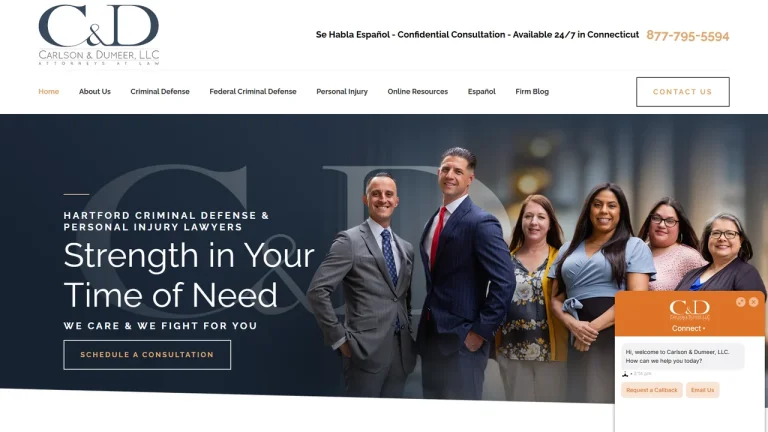
Carlson & Dumeer, LLC - Hartford, CT

Etemi Law - Waterbury, CT
The Maddox Law Firm, LLC - Norwalk, CT
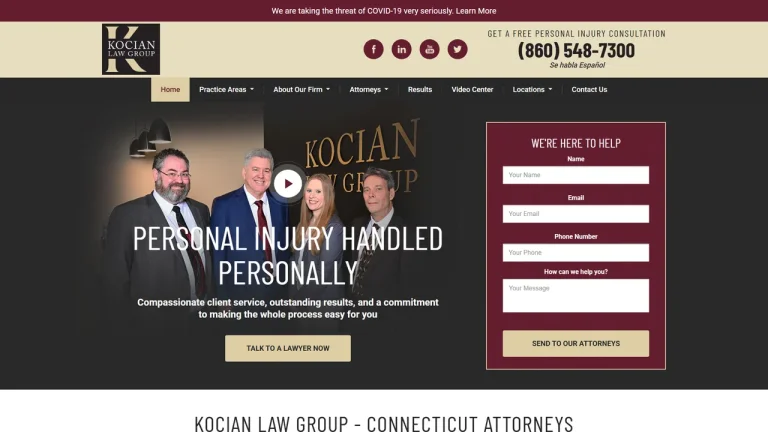
Kocian Law Group - Hartford, CT

Skiber Law - Norwalk, CT

Buckley Wynne & Parese - Hartford, CT
Berkowitz Hanna Malpractice & Injury Lawyers - Danbury, CT
Marci M. Aldi, Attorney at Law - Waterbury, CT

Chaffin Luhana LLP Injury Lawyers - Bridgeport, CT
Brennan Law Firm, LLC - Waterbury, CT
Rob Levine Law–Personal Injury Lawyers - Hartford, CT

Szilagyi & Daly - Hartford, CT
Law Office of Thomas L. Brayton III - Waterbury, CT
The Flood Law Firm, LLC - Waterbury, CT

Connecticut Commercial Truck Litigation & Judicial Districts
Commercial trucking collisions across Connecticut demand aggressive litigation within the Civil Division of the Connecticut Superior Court. Major transportation freight arteries, including Interstate 95, Interstate 84, Interstate 91, and Route 8, generate catastrophic collision cases frequently litigated in the Judicial Districts of Hartford, New Haven, Waterbury, and Fairfield at Bridgeport.
Commercial carrier liability involves a convergence of state tort law and federal mandates. Under Conn. Gen. Stat. § 14-163c, Connecticut incorporates Federal Motor Carrier Safety Regulations (FMCSR), holding trucking operators, freight brokers, and maintenance contractors accountable for driver qualifications, equipment safety, and hours-of-service compliance.
Electronic filings and motion practice are conducted through Connecticut Superior Court E-Services. Due to rapid defense response teams dispatched by corporate trucking insurers, securing experienced counsel licensed by the Connecticut Bar is critical to issue immediate spoliation letters and secure electronic control module (black box) data.
Connecticut Truck Accident Legal Fees & Litigation Expenses
| Case Scenario | Fee Structure | Estimated Cost (USD) | Key Cost Determinants |
|---|---|---|---|
| Settled Commercial Carrier Claim (Clear FMCSR Violations) | Contingency Fee (33.33%) | $0 Upfront (Standard Contingency) | Documented logbook violations, rapid liability acceptance, complete medical records package. |
| Contested Multi-Party Freight Collision | Contingency Fee (33.33% - 40%) | $0 Upfront ($5,000 - $15,000 litigation costs) | Disputed shipper/loader liability, tractor-trailer mechanical inspection, commercial policy disputes. |
| Catastrophic Injury / Wrongful Death Truck Litigation | Contingency Fee (Statutory Scale under Conn. Gen. Stat. § 52-512c) | $0 Upfront ($15,000 - $50,000+ expert costs) | Accident reconstruction specialists, federal trucking compliance experts, vocational and life care economic analyses, jury trial. |
| Out-of-State Carrier & Interstate Broker Dispute | Contingency Fee (33.33% - 40%) | $0 Upfront ($5,000 - $20,000 discovery costs) | Long-arm jurisdictional motions, multiple corporate layers, federal and state court pre-trial practice. |
Critical Legal Deadlines & Statutes in Connecticut
Commercial vehicle collision litigation in Connecticut requires strict adherence to statutory deadlines and state regulatory mandates:
- Statute of Limitations: Personal injury claims arising from a truck accident must be filed within two years from the collision date under Conn. Gen. Stat. § 52-584.
- Wrongful Death Deadline: Claims brought on behalf of a deceased family member must be filed within two years of death pursuant to Conn. Gen. Stat. § 52-555.
- Comparative Negligence Defense: Under Conn. Gen. Stat. § 52-572h, motor carriers routinely attempt to assign blame to passenger vehicles. A claimant cannot recover compensation if their share of negligence exceeds 50%.
- Motor Carrier Safety Compliance: Commercial vehicle operators and fleets in Connecticut must adhere to safety inspections, weight limits, and driver rest intervals codified under Conn. Gen. Stat. § 14-163c.
Small Claims Limitations vs. Superior Court Representation
The Connecticut Small Claims session is restricted to claims up to $5,000 pursuant to Conn. Gen. Stat. § 51-15. Commercial truck collisions routinely involve extensive property destruction, traumatic brain injuries, spinal damage, and severe wage loss, far exceeding the small claims limit within hours of admission to an emergency trauma center.
Attempting to negotiate directly with a commercial trucking insurer puts victims at a severe disadvantage. Fleet adjusters employ aggressive risk management tactics to minimize claim payouts or shift fault to the passenger vehicle. Retaining dedicated trial counsel ensures that the full value of future medical treatment, pain and suffering, and permanent disability is forcefully pursued in Connecticut Superior Court.
Red Flags to Avoid When Selecting a Connecticut Truck Accident Lawyer
- Attorneys who lack specific experience litigating complex Federal Motor Carrier Safety Regulations and treat truck collisions like standard passenger car fender-benders.
- Firms that fail to send immediate formal legal spoliation notices to preserve electronic logging devices (ELD), dashcam footage, and maintenance logs before they are overwritten.
- Lawyers who lack the financial resources to retain qualified accident reconstruction engineers and trucking industry safety experts.
- Practitioners promising unrealistic multi-million dollar recoveries before conducting thorough liability and corporate insurance tier investigations.
Frequently Asked Questions
Who can be held liable in a Connecticut commercial truck accident?
Liability may extend beyond the truck driver to include the motor carrier, the freight loading company, the vehicle maintenance provider, or the truck manufacturer depending on negligence and regulatory violations under Conn. Gen. Stat. § 14-163c.
What is the statute of limitations for a truck crash lawsuit in Connecticut?
Under Conn. Gen. Stat. § 52-584, injured victims must file a lawsuit in the Connecticut Superior Court within two years of the collision date. Missing this deadline bars financial recovery.
Why are truck accident cases more complex than standard car crashes?
Truck accidents involve interstate motor carriers, extensive federal regulations, electronic onboard recording devices, and multiple commercial liability insurance policies, requiring comprehensive investigation and expert testimony.
How does comparative negligence affect a truck accident claim in Connecticut?
Pursuant to Conn. Gen. Stat. § 52-572h, you can recover damages as long as you are 50% or less at fault. Your total recovery will be reduced by your percentage of fault; however, if you are 51% or more at fault, you cannot recover compensation.
How are legal fees structured in a Connecticut truck accident case?
Attorneys handle truck collision claims on a contingency basis, meaning clients pay no upfront legal fees. Legal fees are collected as a percentage of the final recovery in accordance with Conn. Gen. Stat. § 52-512c.