
Commercial Real Estate Lawyers in Delaware
Engaging an experienced commercial real estate lawyer in Delaware protects institutional investments, navigates municipal zoning approvals, and ensures seamless closings across all three counties. Dedicated legal counsel negotiates complex commercial leases, structures financing agreements, and manages land use entitlements. Browse our verified statewide directory below to connect with leading Delaware commercial real estate attorneys.
Parkway Law - Wilmington, DE

Potter Anderson and Corroon (- Dover, DE)

William E. Manning - Saul Ewing LLP - Wilmington, DE
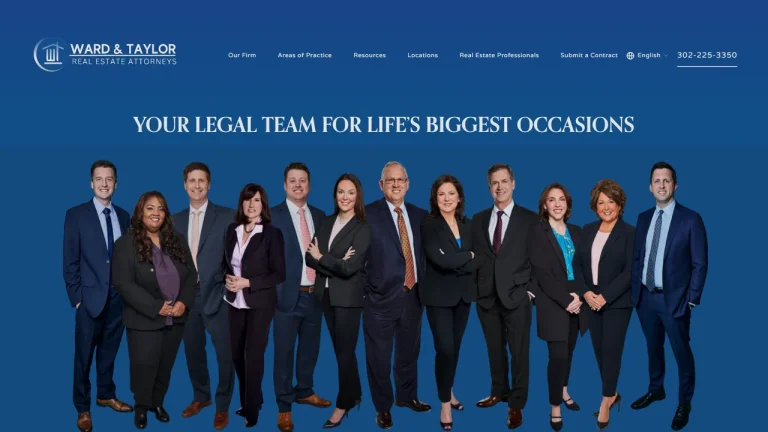
Ward & Taylor, LLC - Wilmington, DE
Connolly Gallagher LLP - Wilmington, DE
Halloran Farkas + Kittila LLP - Wilmington, DE

Barnard, Mezzanotte, Pinnie, Seelaus & Kraft, LLP - Wilmington, DE

Ian Connor Bifferato - Wilmington, DE
Cramer & DiMichele, P.A. - Wilmington, DE
Wolfe & Associates - Dover, DE
Matlusky Firm - Wilmington, DE

Liguori & Morris Attorneys at Law - Dover, DE

James W. Owen, P.A. - Wilmington, DE
Gellert Scali Busenkell & Brown, LLC - Wilmington, DE

Norman M. Powell - Wilmington, DE

Richard P. Beck, LLC - Wilmington, DE
Brockstedt Mandalas Federico LLC - Wilmington, DE
Snyder & Associates, P.A. - Wilmington, DE

Benton & Shockley Law, P.A. - Dover, DE
Brent C. Shaffer (Young Conaway Stargatt & Taylor) - Wilmington, DE

Daniel P. Johnson (Young Conaway Stargatt & Taylor) - Wilmington, DE
Brockstedt Mandalas Federico, LLC - Dover, DE
Gonser And Gonser, P.A. - Dover, DE
Navigating Delaware Commercial Real Estate and Regulatory Governance
Commercial real estate development and acquisitions in Delaware demand sophisticated legal navigation of state statutes, local land use codes, and mandatory closing protocols. Because Delaware is an attorney-closing jurisdiction, all commercial conveyances, mezzanine loans, and mortgage refinances must be overseen by legal counsel admitted to practice before the Delaware Supreme Court. Commercial developers interface with planning authorities across New Castle County, Kent County, and Sussex County to secure zoning reclassifications, variance approvals, and site plan authorizations.
Large-scale commercial developments frequently require state-level coordination through the Delaware Preliminary Land Use Service (PLUS) before county planning bodies can issue final approvals. Furthermore, corporate entities acquiring Delaware commercial parcels must coordinate with county Recorder of Deeds offices in Wilmington, Dover, or Georgetown. When high-stakes contractual disputes, commercial lease conflicts, or specific performance actions arise, litigation proceeds to the Delaware Court of Chancery for injunctive relief or the Delaware Superior Court Complex Commercial Litigation Division (CCLD).
Delaware commercial real estate lawyers structure corporate holding entities, draft master leasing agreements, negotiate construction contracts, and issue formal Delaware legal opinions required by commercial lenders. Securing knowledgeable counsel ensures your commercial ventures comply with environmental regulations, municipal development codes, and Title 25 recording standards.
Commercial Real Estate Legal Fees and Service Scenarios in Delaware
| Case Scenario | Fee Structure | Estimated Cost (USD) | Key Cost Determinants |
|---|---|---|---|
| Commercial Acquisition & Loan Closing | Flat Fee or Hourly ($450 - $750/hr) | $3,500 - $12,000 | Title due diligence, commercial loan opinion letters, survey reviews, and closing escrow administration. |
| Commercial Lease Drafting & Negotiation | Hourly ($400 - $650/hr) | $2,000 - $6,500 | Triple net (NNN) terms, tenant work letters, subordination and non-disturbance agreements (SNDA), and CAM audit provisions. |
| Zoning, Land Use & PLUS Review Approvals | Hourly ($450 - $800/hr) | $7,500 - $35,000+ | County planning board representation, state PLUS reviews, environmental impact assessments, and traffic impact studies. |
| Commercial Foreclosure & Mechanic's Lien Litigation | Hourly ($500 - $850/hr) | $15,000 - $75,000+ | Superior Court CCLD proceedings, mechanic's lien enforcement under 25 Del. C. § 2702, and Court of Chancery injunctions. |
Critical Legal Deadlines & Statutes in Delaware
Commercial land development and construction projects in Delaware are governed by precise statutory deadlines. Under 25 Del. C. § 2711, contractors and suppliers who furnish labor or materials for commercial improvements must record a statement of claim for a mechanic's lien in the Delaware Superior Court within strict timeframes. Subcontractors must file within 120 days from the date labor was completed or materials delivered, while general contractors must file within 180 days from completion of the contract.
For high-value commercial development projects, state oversight is mandated by the Delaware Land Use Planning Act under 29 Del. C. § 9201 et seq. This statute establishes the Preliminary Land Use Service (PLUS) review, requiring developers to submit comprehensive development proposals for state agency review prior to formal action by local municipal or county planning commissions.
Contractual disputes arising from commercial purchases or construction agreements fall under 10 Del. C. § 8106, which establishes a general three-year statute of limitations for breach of contract. However, under 10 Del. C. § 8106(c), parties to written commercial contracts involving an amount of at least $100,000 may contractually agree to extend the statute of limitations for up to twenty years. Commercial leasing matters are governed by Part III of the Delaware Landlord-Tenant Code (25 Del. C. § 6101 et seq.).
Small Claims Court vs. Commercial Real Estate Representation in Delaware
The Justice of the Peace Court serves as Delaware's small claims court under 10 Del. C. § 9301, with a monetary jurisdictional limit of $25,000. While the JP Court maintains statutory jurisdiction over commercial summary possession actions under 25 Del. C. § 5701, it lacks the legal authority to grant equitable relief, issue commercial injunctions, or adjudicate complex development agreements.
Under Delaware Supreme Court rules, artificial legal entities such as LLCs, corporations, and limited partnerships are strictly prohibited from appearing in Delaware courts of record without licensed legal counsel. Complex commercial transactions, zoning variances, and multi-million-dollar purchase contracts must be litigated in the Delaware Superior Court or the Court of Chancery. Engaging experienced commercial counsel protects corporate balance sheets and ensures long-term development viability.
Red Flags When Hiring a Delaware Commercial Real Estate Lawyer
- Inexperience with Delaware PLUS Reviews: Avoid land use lawyers who lack practical experience presenting large projects before the Delaware Office of State Planning Coordination.
- Inability to Issue Delaware Borrower Legal Opinions: Institutional lenders require formal Delaware opinion letters regarding entity validity and enforceability; reject firms unable to provide these documents.
- Absence of Chancery and CCLD Litigation Capability: Ensure your real estate firm has proven trial experience in the Delaware Court of Chancery and the Superior Court Complex Commercial Litigation Division.
- Vague Fee Structures for Land Due Diligence: Dismiss practitioners who do not provide clear fee arrangements regarding Phase I environmental reviews, title endorsements, and municipal utility verifications.
Frequently Asked Questions
Is a Delaware attorney required for commercial real estate closings?
Yes. Delaware Supreme Court rules require that all real estate conveyances, settlements, and loan closings must be conducted by or under the direct supervision of an attorney licensed by the Delaware Bar.
What is the Preliminary Land Use Service (PLUS) review in Delaware?
Administered under 29 Del. C. § 9201, the PLUS process is a mandatory state-level review where state agencies evaluate large commercial development proposals for environmental impact, transportation requirements, and infrastructure capacity before local county approvals.
What is the deadline for filing a commercial mechanic's lien in Delaware?
Under 25 Del. C. § 2711, subcontractors must file a mechanic's lien complaint in the Superior Court within 120 days of finishing work, while general contractors have 180 days from project completion.
Which court resolves commercial lease and development disputes in Delaware?
Commercial summary possession evictions begin in the Justice of the Peace Court. However, commercial contract disputes exceeding $1 million are heard in the Superior Court Complex Commercial Litigation Division (CCLD), while injunctive relief and partnership disputes proceed to the Delaware Court of Chancery.
Can commercial real estate agreements extend the statute of limitations in Delaware?
Yes. Under 10 Del. C. § 8106(c), parties to a written contract involving an amount in controversy of at least $100,000 can contractually agree to extend the statute of limitations for breach of contract actions up to twenty years.