
Estate Planning Lawyers in Delaware
Consulting an experienced Delaware estate planning lawyer ensures your wills, trusts, and healthcare directives comply with state statutory execution mandates. Skilled estate attorneys draft personalized legacy strategies that minimize tax exposure, avoid probate delays, and protect vulnerable beneficiaries. Search our verified Delaware attorney directory below to schedule an initial consultation with a trusted local estate planning professional.
Parkway Law - Wilmington, DE

Ferry Joseph, P.A. - Wilmington, DE

Morris, Nichols, Arsht & Tunnell LLP - Wilmington, DE
Connolly Gallagher LLP - Wilmington, DE

Schwartz & Schwartz, Attorneys At Law, P.A. - Wilmington, DE

John A. Macconi, Jr. LLC - Wilmington, DE

Reger Rizzo & Darnall LLP - Wilmington, DE

The Levinson Firm - Wilmington, DE

Jaclyn Quinn, Esq. - DCRAC Law - Wilmington, DE
The Law Office of James Tobia LLC - Wilmington, DE
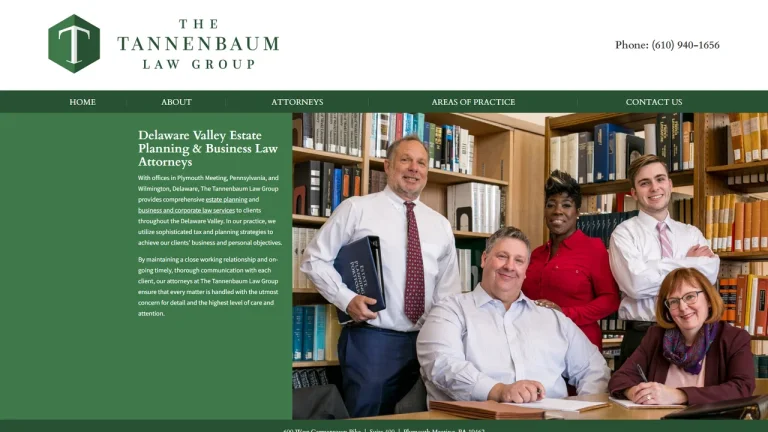
The Tannenbaum Law Group, LLC - Wilmington, DE

Gawthrop Greenwood, PC - Wilmington, DE

Offit Kurman - Wilmington, DE

Dunlap Bennett & Ludwig PLLC - Wilmington, DE

The Law Office of Denise D. Nordheimer, Esquire - Wilmington, DE

Elder Law Program (CLASI) - Dover, DE
R. Joseph Hrubiec, Esquire - Wilmington, DE

Rogowski Law - Wilmington, DE

Delaware Community Reinvestment Action Council - Wilmington, DE

Law Offices of Amanda L. H. Brinton LLC - Wilmington, DE

Poole, Mensinger, Cutrona & Ellsworth-Aults - Wilmington, DE

McAndrews Law Offices, P.C. - Wilmington, DE

Parkway Law - Dover, DE
Estate Planning Framework & Statutory Authority in Delaware
Constructing a comprehensive estate plan in Delaware requires a coordinated legal approach that addresses asset distribution, lifetime incapacity planning, and probate avoidance. Whether you reside in urban hubs such as Wilmington and Newark in New Castle County, the capital region of Dover in Kent County, or southern coastal communities like Rehoboth Beach and Lewes in Sussex County, local real estate holdings and financial accounts require careful legal alignment. Estate planning documents must operate seamlessly with county administrative offices and state courts to safeguard family wealth.
Estate planning intersects directly with Delaware's county-level Register of Wills, which administers probate filings, and the Delaware Court of Chancery, which holds equitable jurisdiction over testamentary disputes and fiduciary matters. To ensure legal enforceability, documents such as wills, trusts, and powers of attorney must satisfy strict statutory execution standards. Lawyers providing estate planning services throughout Delaware are admitted to the bar by the Supreme Court of Delaware, regulated by the Office of Disciplinary Counsel (ODC), and guided by the Delaware State Bar Association.
Delaware Estate Planning Packages & Fee Allocations
| Case Scenario | Fee Structure | Estimated Cost (USD) | Key Cost Determinants |
|---|---|---|---|
| Essential Will & Incapacity Planning Package | Flat Fee | $1,200 - $2,800 | Individual vs. spousal planning, power of attorney customization, living will terms |
| Revocable Living Trust Comprehensive Portfolio | Flat Fee | $2,500 - $5,500 | Real estate deed transfers across counties, pour-over wills, trust funding scope |
| High-Net-Worth Wealth & Tax Protection Plan | Flat / Hourly | $6,000 - $14,000 | Irrevocable life insurance trusts, generation-skipping allocations, business assets |
| Special Needs & Supplemental Care Trust | Flat Fee | $3,000 - $6,500 | Preservation of Medicaid/SSI eligibility, government benefit coordination, advisory roles |
Critical Legal Deadlines & Statutes in Delaware
Delaware law enforces rigorous statutory formalities to ensure testamentary and lifetime estate instruments are legally valid. Under 12 Del. C. § 202, every last will and testament must be in writing, signed by the testator, and attested in the testator's presence by two or more credible witnesses; including a self-proving affidavit simplifies the probate process upon death. When family circumstances change through divorce, 12 Del. C. § 209 automatically revokes any testamentary dispositions or appointments in favor of a former spouse.
For lifetime incapacity, financial management is governed by the Delaware Durable Personal Powers of Attorney Act codified in 12 Del. C. § 49A-105. To remain valid, powers of attorney executed under this statute must comply with mandatory execution requirements under 12 Del. C. § 49A-106, including specific notices signed by the principal and an executed agent certification. Medical directives and appointment of healthcare surrogates are controlled by the Delaware Health Care Decisions Act under 16 Del. C. § 2503. Furthermore, Delaware protects surviving spouses through elective share provisions in 12 Del. C. § 901, ensuring a surviving partner can claim a statutory portion of the estate.
Small Claims Limits vs. Professional Estate Planning in Delaware
Under 10 Del. C. § 9301, the Delaware Justice of the Peace Court handles civil disputes with a claim ceiling of $25,000. However, small claims courts have no legal jurisdiction to draft, modify, interpret, or enforce estate planning instruments. The validity of trusts and wills is reviewed exclusively by the Register of Wills and the Delaware Court of Chancery.
Relying on generic online forms or self-drafted templates poses immense risks in Delaware. Incomplete witness formalities can result in total intestacy, while a non-compliant power of attorney will be rejected by financial institutions under 12 Del. C. § 49A-106, forcing families into costly Court of Chancery adult guardianship proceedings. A qualified Delaware estate planning attorney crafts an airtight legal framework tailored to your family's unique dynamics and ensures all deeds are properly recorded with the appropriate county Recorder of Deeds.
Red Flags & Estate Planning Warnings
- Off-the-shelf national forms that fail to include mandatory statutory notices and agent acknowledgments required under Delaware's power of attorney statutes.
- Attorneys who prepare revocable living trusts but fail to assist with the formal retitling and deed transfers of Delaware real estate into the trust entity.
- Practitioners quoting vague lump-sum fees without explaining county deed recording charges or probate administrative costs.
- Failure to coordinate non-probate beneficiary designations on retirement accounts and life insurance policies with the overarching estate plan.
Frequently Asked Questions
What core legal documents are essential in a Delaware estate plan?
A comprehensive Delaware estate plan typically includes a Last Will and Testament, a Revocable Living Trust (where probate avoidance is desired), a Durable Personal Power of Attorney complying with Delaware statutory mandates, and an Advance Health Care Directive under the Health Care Decisions Act.
What makes a Delaware Power of Attorney unique?
Under 12 Del. C. § 49A-106, a valid Delaware personal power of attorney must contain a specific statutory notice to the principal and an executed agent certification acknowledging fiduciary duties, signed before a notary public and witnesses.
Does a Revocable Living Trust avoid probate in Delaware?
Yes. Assets properly retitled into a revocable living trust during your lifetime pass directly to named beneficiaries under the trust terms without being subject to the Register of Wills probate process or county probate fees.
What rights does a surviving spouse have to an estate in Delaware?
Under 12 Del. C. § 901, a surviving spouse has the right to claim an elective share equal to one-third of the deceased spouse's elective estate, safeguarding them from disinheritance regardless of contrary terms in a will.
How does divorce affect an existing will in Delaware?
Pursuant to 12 Del. C. § 209, an absolute divorce or annulment automatically revokes all provisions in a will in favor of the former spouse, treating the former spouse as having predeceased the testator unless the will expressly provides otherwise.