
Wrongful Termination Lawyers in Delaware
Facing an unlawful dismissal in Delaware requires decisive legal counsel to protect your career and financial stability. An experienced Delaware wrongful termination lawyer can assess severance packages, negotiate out-of-court settlements, and file administrative claims before state deadlines expire. Browse our verified statewide directory below to consult with top-rated employment attorneys across Delaware.

Allen & Associates - Wilmington, DE

DiBianca Law - Wilmington, DE

Kate Butler Law - Wilmington, DE
Lewis Brisbois Bisgaard & Smith LLP - Wilmington, DE

Faegre Drinker Biddle & Reath LLP - Wilmington, DE
Law Office of Susan E. Kaufman, LLC - Wilmington, DE
Schmittinger & Rodriguez, P.A. - Dover, DE

Barry M. Willoughby - Wilmington, DE
Law Office of Daniel C. Herr LLC - Wilmington, DE

Gordon Rees Scully Mansukhani, LLP - Wilmington, DE

LaRosa & Associates - Wilmington, DE
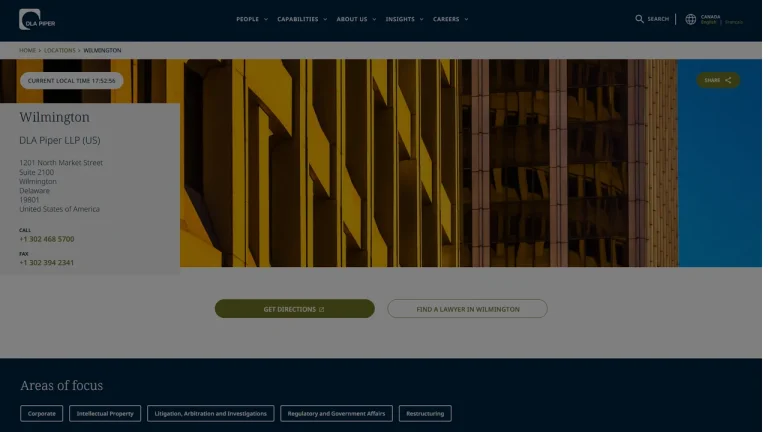
DLA Piper - Wilmington, DE

Berger McDermott LLP - Wilmington, DE
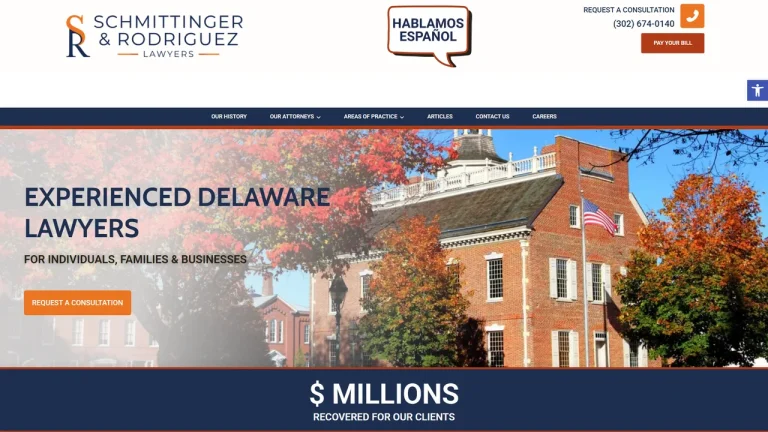
Schmittinger & Rodriguez PA - Dover, DE

Gary W. Aber Attorney at Law - Wilmington, DE

O'Hagan Meyer - Wilmington, DE

Michael P. Stafford - Wilmington, DE
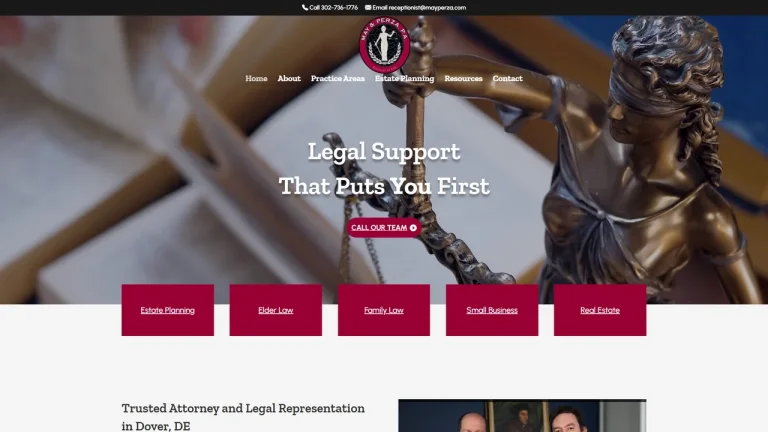
May and Perza, P.A. (- Dover, DE)
Delaware At-Will Employment & Superior Court Jurisdiction
Employment relationships in Delaware operate under the presumption of at-will employment, meaning an employer may generally terminate an employee at any time for any lawful reason. However, vital statutory protections and common-law doctrines limit this rule. Wrongful termination lawsuits that exceed administrative remedies are adjudicated in the Civil Division of the Delaware Superior Court across New Castle County in Wilmington, Kent County in Dover, and Sussex County in Georgetown.
Under Delaware jurisprudence, an employer breaches the implied covenant of good faith and fair dealing when a termination violates established public policy, involves employer misrepresentation or falsified records, or is orchestrated to deprive an employee of earned commissions or benefits. Additionally, statutory claims arise under the Delaware Whistleblowers' Protection Act, codified at Del. Code tit. 19, § 1703, which bars retaliation against employees who report suspected violations of state or federal laws.
Civil litigation and pleadings in the Delaware Superior Court are managed through the File & ServeXpress electronic court portal. Retaining an attorney admitted to the Delaware State Bar Association ensures that administrative exhaustion requirements through state labor agencies are met and that severance agreements or damage claims are pursued effectively.
Delaware Wrongful Termination Legal Fees & Cost Estimates
| Case Scenario | Fee Structure | Estimated Cost (USD) | Key Cost Determinants |
|---|---|---|---|
| Severance Review & Pre-Suit Separation Negotiation | Hourly or Flat Fee ($300 - $500/hr) | $750 - $2,500 | Review of non-compete clauses, non-disparagement covenants, and negotiation of enhanced exit compensation. |
| DDOL / EEOC Administrative Charge Filing | Contingency Fee (33.33%) or Fixed Fee | $0 Upfront ($1,500 - $3,500 if hourly) | Drafting formal charge of discrimination, mediation conferences with state investigators, employer position statements. |
| Contested Whistleblower or Retaliation Lawsuit | Contingency Fee (33.33% - 40%) | $0 Upfront ($3,500 - $12,000 litigation costs) | Corporate officer depositions, electronic discovery of internal communications, Superior Court motion practice. |
| Executive Breach of Implied Covenant Trial | Hourly / Contingency Hybrid | $10,000 - $35,000+ | Vested equity recovery, commission disputes, vocational expert witness testimony, multi-day civil jury trial. |
Critical Legal Deadlines & Statutes in Delaware
Challenging an unlawful discharge in Delaware demands strict adherence to state administrative and judicial limitation periods:
- Administrative Filing Deadline: If wrongful termination involves discrimination or retaliation under state employment statutes, a charge must be submitted to the Delaware Department of Labor (DDOL) Office of Anti-Discrimination within 300 days of the unlawful action pursuant to Del. Code tit. 19, § 712(c)(1).
- Right to Sue Litigation Window: Once the DDOL issues a Right to Sue notice, the employee has exactly 90 days to commence a civil action in the Delaware Superior Court under Del. Code tit. 19, § 714(a).
- Whistleblower Statute of Limitations: Civil actions initiated under the Delaware Whistleblowers' Protection Act must be brought within three years of the retaliatory action pursuant to Del. Code tit. 19, § 1704(a).
- Wage and Compensation Claims: Claims seeking unpaid wages, accrued commissions, or salary benefits must be filed within one year from the date the cause of action accrued under Del. Code tit. 10, § 8111.
Justice of the Peace Court vs. Superior Court Representation
In Delaware, the Justice of the Peace Court operates as the state's small claims venue, holding civil jurisdiction over disputes capped at $25,000 pursuant to Del. Code tit. 10, § 9301. While the Justice of the Peace Court can adjudicate minor breach of contract matters or undisputed final paychecks, it lacks the jurisdictional authority to order equitable remedies, reinstatement, or statutory damages under the Delaware Discrimination in Employment Act.
Wrongful termination disputes frequently involve front pay, emotional distress damages, and statutory attorney fee awards that require proceedings in the Delaware Superior Court. Attempting to negotiate with corporate defense counsel without representation often results in signing broad liability releases that surrender valuable legal claims. Retaining a seasoned Delaware employment lawyer ensures that evidence of retaliatory pretext is uncovered and claims are litigated effectively.
Red Flags to Avoid When Selecting a Delaware Wrongful Termination Lawyer
- Attorneys who claim that Delaware at-will employment completely prevents legal action, ignoring vital whistleblower protections and the implied covenant of good faith.
- Lawyers who advise signing an employer's release or severance agreement before thoroughly assessing potential discrimination or unpaid wage claims.
- Firms that fail to monitor the strict 300-day administrative filing requirement with the Delaware Department of Labor Office of Anti-Discrimination.
- Practitioners who lack courtroom trial experience in the Delaware Superior Court and consistently push clients into minimal settlement payouts.
Frequently Asked Questions
What qualifies as wrongful termination under Delaware law?
Wrongful termination occurs when an employee is discharged in violation of anti-discrimination statutes under Del. Code tit. 19, § 711, in retaliation for whistleblower activity under Del. Code tit. 19, § 1703, or in breach of the implied covenant of good faith and fair dealing.
What is the implied covenant of good faith and fair dealing in Delaware?
Under Delaware common law, every employment contract includes an implied covenant that bars employers from fabricating grounds for termination, manufacturing false disciplinary records, or discharging workers to avoid paying earned commissions or bonuses.
Do I have to file with the Delaware Department of Labor before suing?
Yes. Claims grounded in discrimination or retaliation under state employment statutes must first be filed with the DDOL Office of Anti-Discrimination under Del. Code tit. 19, § 712 before a lawsuit can be filed in Delaware Superior Court.
How long do I have to file a wrongful termination charge in Delaware?
You have 300 days from the date of the adverse employment action to file a charge of discrimination with the DDOL under Del. Code tit. 19, § 712(c)(1). Missing this deadline bars statutory discrimination claims.
How do contingency fees work in Delaware wrongful termination cases?
Many employment attorneys represent terminated employees on a contingency fee basis, where the attorney receives an agreed percentage (typically 33.33% to 40%) of the settlement or court judgment, with no upfront legal fees owed by the worker.