
Business Litigation Lawyers in Washington, D.C.
Retaining an accomplished business litigation lawyer in Washington, D.C. protects your commercial interests, contract rights, and corporate reputation. Seasoned litigators prioritize early alternative dispute resolution, resolving complex shareholder or vendor conflicts through mediation before courtroom battles escalate. Explore our directory below to consult with top-rated commercial trial attorneys in the District.

Vanessa Carpenter Lourie, P.C. - Washington, DC
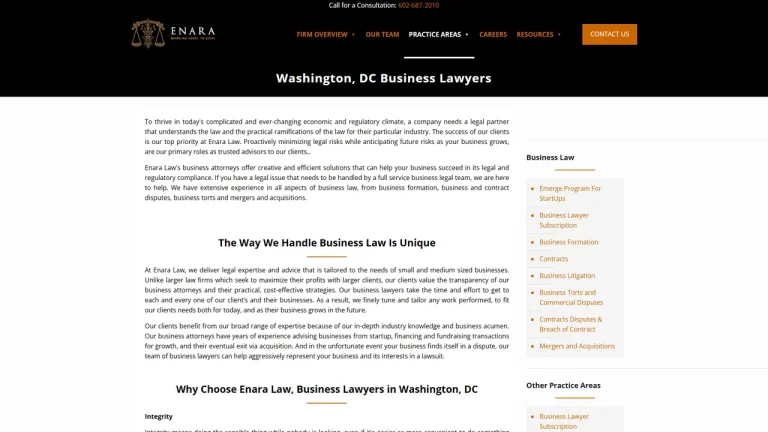
Enara Law - Washington, DC
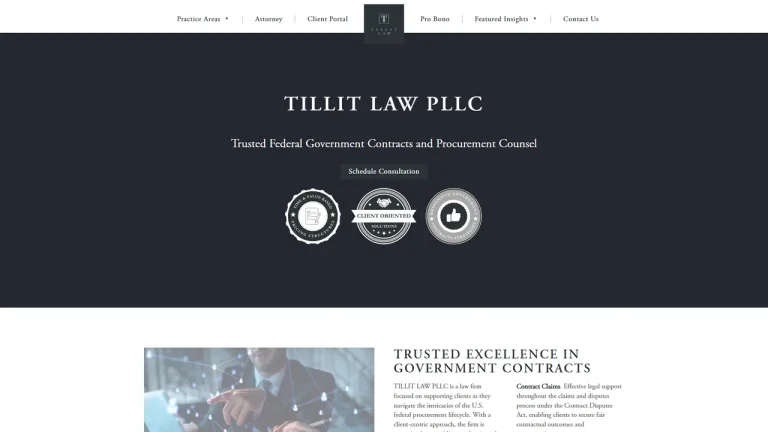
TILLIT LAW PLLC - Washington, DC
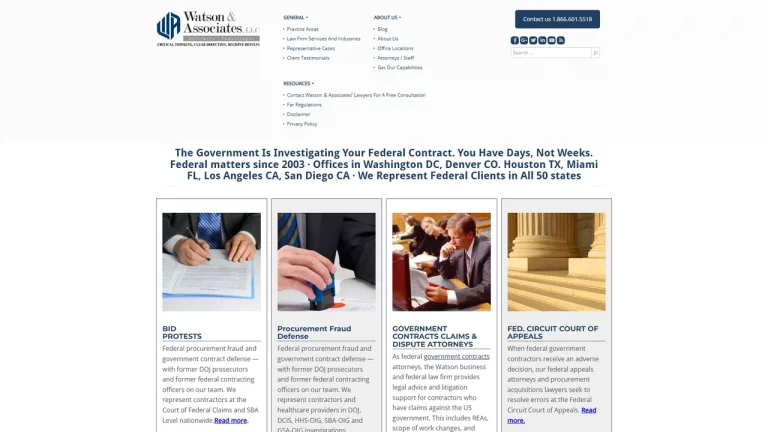
Watson & Associates, LLC - Washington, DC
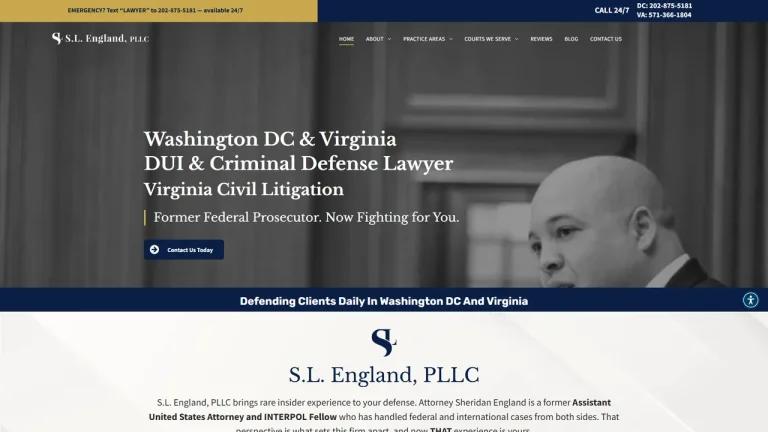
S.L. England, PLLC - Washington, DC

RJB Law - Washington, DC
Silverpine Law PLLC - Washington, DC

Greenberg & Lieberman, LLC - Washington, DC
Zaharevich Law Office: Daniel Zaharevich, Esq. - Washington, DC

Palisade Legal Group - Washington, DC
JD Howlette Law - Washington, DC
Law Office of Alfredo Vasquez - Washington, DC

Kasowitz Benson Torres LLP - Washington, DC

The Belmont Firm - Washington, DC

Keller Postman LLC - Washington, DC
Rosten Law PLLC - Washington, DC

The Employment Law Group - Washington, DC
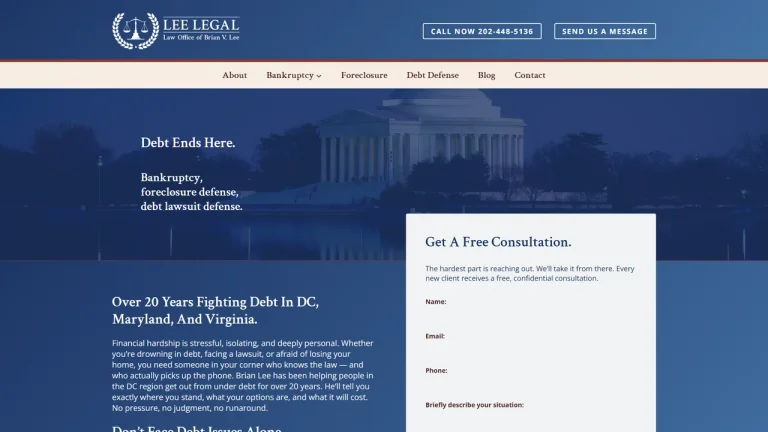
Lee Legal - Washington, DC
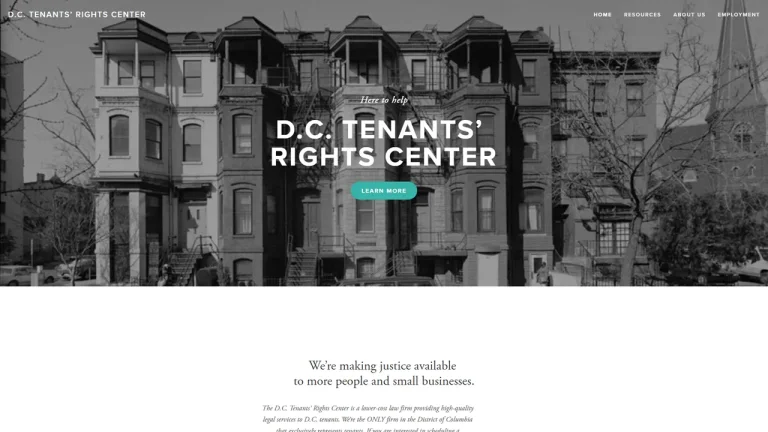
D.C. Tenants' Rights Center - Washington, DC
Eric Siegel Law - Washington, DC
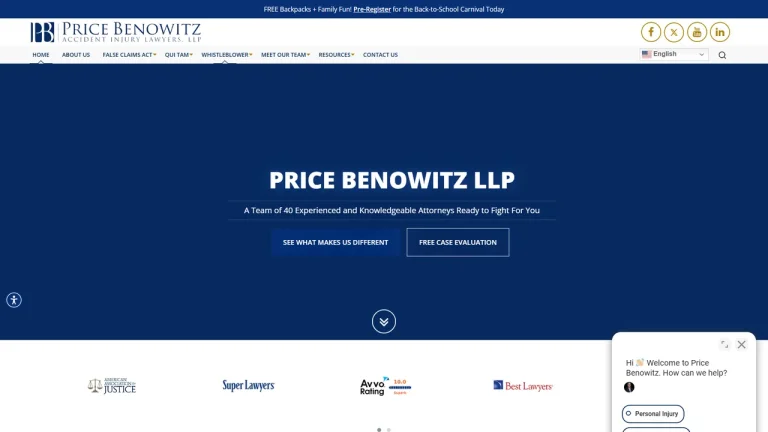
Tony Munter Qui Tam False Claims Act Lawyer - Washington, DC
Battino & Sokolow PLLC - Washington, DC

GOLDMAN LAW GROUP - Washington, DC

Commercial Dispute Resolution in Washington, D.C.
Commercial litigation in the nation's capital operates under distinct procedural rules and exacting judicial standards. Enterprises situated across the Golden Triangle, Downtown DC, NoMa, and the Navy Yard rely on commercial litigators to navigate high-stakes contract breaches, partnership dissolutions, and trade secret claims. Cases are primarily adjudicated in the Civil Division of the Superior Court of the District of Columbia at the H. Carl Moultrie Courthouse, located at 500 Indiana Avenue NW, or the U.S. District Court for the District of Columbia at 333 Constitution Avenue NW.
District civil practice places heavy emphasis on strict scheduling orders, structured pre-trial discovery, and early mandatory mediation through court-annexed alternative dispute resolution programs. Counsel familiar with the local bench assists business owners in enforcing restrictive covenants, pursuing corporate debt recovery, and obtaining urgent temporary restraining orders.
Retaining dedicated trial counsel admitted to the District of Columbia Bar ensures full compliance with local civil procedure, safeguarding business assets and formulating aggressive yet cost-effective litigation strategies.
Typical Fee Structures in D.C. Business Litigation
| Case Scenario | Fee Structure | Estimated Cost (USD) | Key Cost Determinants |
|---|---|---|---|
| Breach of Contract & Debt Enforcement | Hourly / Contingency Hybrid | $5,000 - $25,000 | Clarity of written agreement, volume of invoices, debtor liquidity |
| Partnership, LLC Member & Shareholder Disputes | Hourly Rate ($450 - $850/hr) | $15,000 - $60,000+ | Forensic accounting scope, business valuation disputes, fiduciary claims |
| Emergency Injunctions & Temporary Restraining Orders | Flat Fee / Advance Retainer | $7,500 - $20,000 | Expedited filing deadlines, preliminary injunction evidentiary hearings |
| Complex Multi-Party Commercial Trial | Hourly Rate ($500 - $950/hr) | $50,000 - $175,000+ | E-discovery document volume, expert witness retention, length of court trial |
Critical Legal Deadlines & Statutes in the District of Columbia
Under D.C. Code § 12-301(7), the statute of limitations for bringing an action on a simple contract, whether written or oral, is strictly 3 years from the date of the breach. For transactions involving the sale of goods governed by the District of Columbia Uniform Commercial Code, D.C. Code § 28:2-725 imposes a 4-year limitation period.
Business torts, including claims for fraud, intentional interference with contractual relations, and breach of fiduciary duty, are governed by the 3-year catch-all limitation period under D.C. Code § 12-301(8). Corporate governance actions and shareholder derivative suits require strict adherence to the D.C. Business Organizations Code under D.C. Code § 29-101.01, including mandatory pre-suit demand protocols set forth in D.C. Code § 29-305.52.
Small Claims Limitations vs. Professional Counsel
The Small Claims and Conciliation Branch of the DC Superior Court maintains jurisdiction over civil claims that do not exceed $10,000, as codified under D.C. Code § 11-1321. While pro se individuals may handle basic debt collections in this branch, business entities face distinct procedural constraints.
Under District of Columbia court rules, artificial legal entities such as corporations, limited liability companies, and partnerships generally cannot appear pro se and must be represented by a licensed attorney in civil court proceedings. Furthermore, the Small Claims Branch cannot grant equitable remedies such as permanent injunctions, specific performance, or company liquidations. Commercial disputes exceeding $10,000 or demanding complex equitable relief must be litigated in the Civil Division of the Superior Court, making licensed legal representation a necessity.
Red Flags to Avoid When Selecting Counsel
- Guaranteed Litigation Outcomes: Decline representation from practitioners who promise guaranteed court victories or specific damage recoveries without reviewing contracts and operational records.
- Lack of Local D.C. Court Admission: Ensure counsel holds an active license with the District of Columbia Bar and is admitted to practice before the DC Superior Court and the U.S. District Court for the District of Columbia.
- Refusal to Explore Pre-Trial Settlement: Avoid attorneys who disregard mediation or settlement conferences early in the process, which can lead to unnecessary billable hours.
- Unclear Fee and Expense Agreements: Be cautious of law firms that do not provide comprehensive engagement agreements detailing hourly billing rates, paralegal rates, and out-of-pocket e-discovery fees.
Frequently Asked Questions
Can a corporation or LLC represent itself in D.C. civil courts?
No. Under District of Columbia court practice rules, corporate entities and limited liability companies must be represented by a licensed attorney in both the DC Superior Court and federal court proceedings.
What is the statute of limitations for commercial disputes in Washington, D.C.?
Under D.C. Code § 12-301(7), breach of contract actions must generally be filed within 3 years, while UCC transactions for sales of goods allow 4 years under D.C. Code § 28:2-725.
Is mediation mandatory in DC Superior Court commercial lawsuits?
Yes. The DC Superior Court Civil Division routinely orders civil disputes into mandatory alternative dispute resolution, requiring parties to participate in mediation conferences before scheduling a trial.
Can a prevailing business recover legal fees in a D.C. contract lawsuit?
Under the American Rule applied in the District of Columbia, each party typically pays its own legal fees unless an explicit contractual fee-shifting clause exists or a specific statute authorizes fee recovery.
What distinguishes DC Superior Court from the U.S. District Court for D.C.?
The DC Superior Court handles local District statutory and common law disputes, while the U.S. District Court for the District of Columbia handles federal statutory questions and diversity of citizenship claims exceeding $75,000.