
Contract Lawyers in Washington, D.C.
Retain leading Washington, D.C. contract lawyers to draft enforceable commercial agreements, negotiate terms, and litigate breach of contract disputes. Experienced local counsel ensures your contractual rights are protected under District statutory deadlines and represents clients in D.C. Superior Court. Explore our vetted directory below to schedule a consultation with an experienced attorney.

Zaharevich Law Office: Daniel Zaharevich, Esq. - Washington, DC

HKM Employment Attorneys LLP - Washington, DC
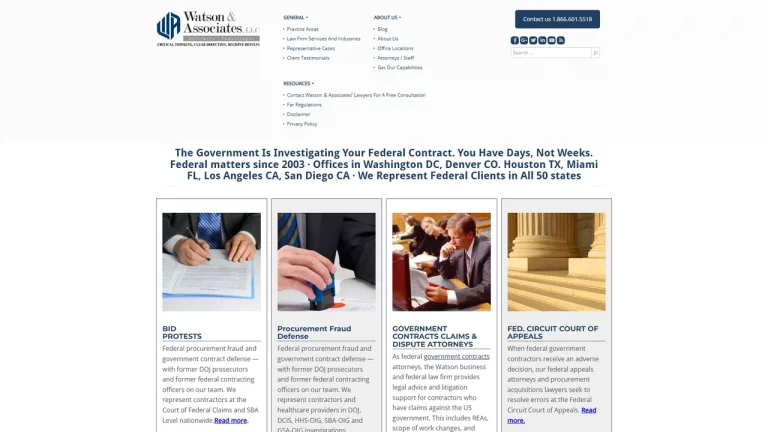
Watson & Associates, LLC - Washington, DC
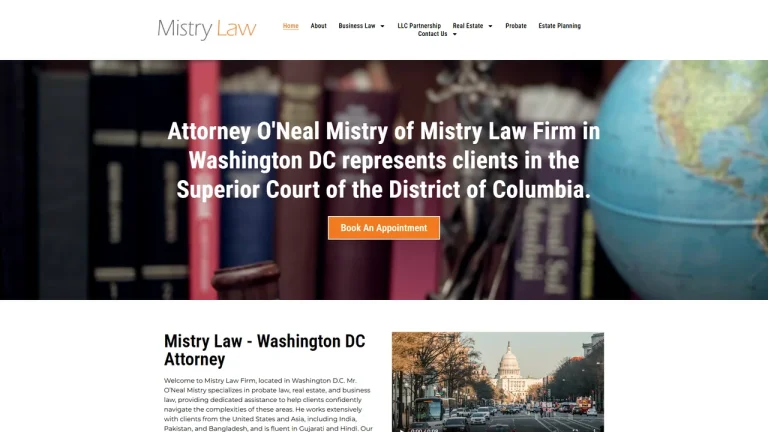
The Mistry Law Firm, PLLC - Washington, DC
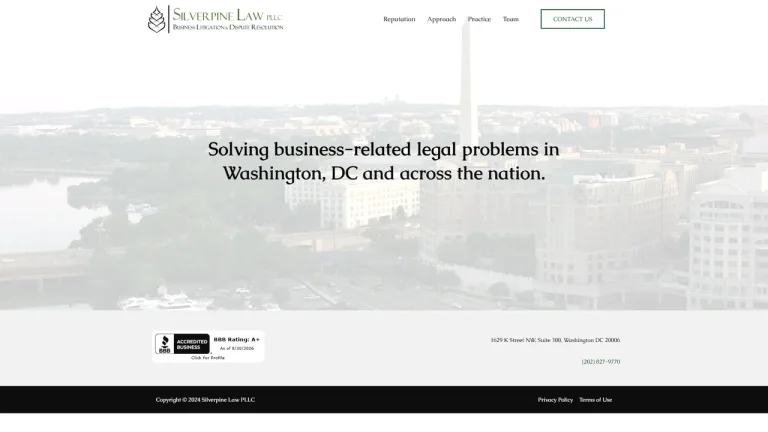
Silverpine Law PLLC - Washington, DC
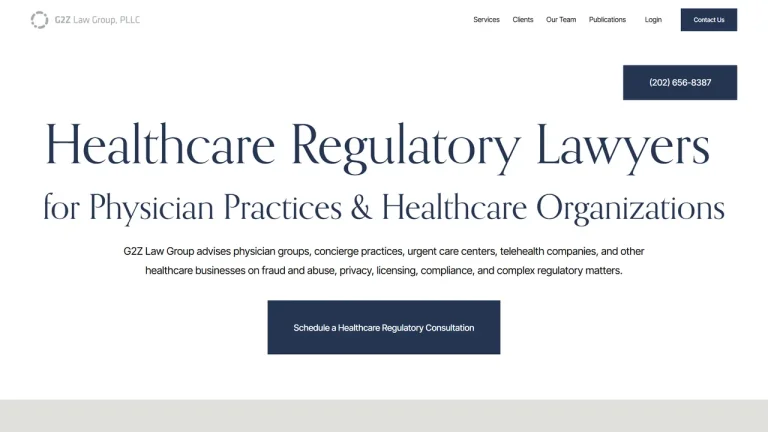
G2Z Law Group PLLC - Washington, DC

Stein IP LLC - Washington, DC

Abe Legal - Washington, DC

Legall Law - Washington, DC
Office of Tenant Advocate - Washington, DC

The SJS Law Firm, PLLC - Washington, DC

TILLIT LAW PLLC - Washington, DC

Tucker PLLC - Family Law - Washington, DC

Rosten Law PLLC - Washington, DC
Enara Law - Washington, DC

Jessica T. Ornsby, Esq. - Washington, DC

RJB Law - Washington, DC

Enforcing and Drafting Commercial Contracts in Washington, D.C.
Drafting, negotiating, and enforcing commercial contracts in the District of Columbia requires deep familiarity with District contract jurisprudence and local judicial procedure. Whether executing commercial leases in Farragut Square, technology vendor agreements in Chinatown, or procurement subcontracts near Capitol Hill, precision in drafting prevents devastating disputes.
When contractual commitments break down, breach of contract claims are adjudicated in the Civil Division of the Superior Court of the District of Columbia at the Moultrie Courthouse on Indiana Avenue NW. Local rules require early mandatory case management and participation in court-ordered alternative dispute resolution through the Multi-Door Dispute Resolution Division.
Working with an attorney admitted to the District of Columbia Bar provides strategic protection from the initial term sheet to final contract execution. Seasoned lawyers draft ironclad indemnification clauses, limit liability exposure, structure non-disclosure covenants, and aggressively represent your financial interests during pre-trial negotiations or courtroom litigation.
Washington, D.C. Contract Legal Fees & Services
| Case Scenario | Fee Structure | Estimated Cost (USD) | Key Cost Determinants |
|---|---|---|---|
| Routine Contract Review & Risk Assessment | Flat / Hourly ($350 - $650/hr) | $750 - $2,000 | Document page length, liability clauses, intellectual property terms |
| Bespoke Commercial Agreement Drafting | Flat Fee Arrangement | $1,800 - $4,500 | Multi-party provisions, customized indemnity, non-compete enforceability |
| Breach of Contract Litigation (Civil Division) | Hourly Retainer Basis | $7,500 - $25,000+ | Discovery volume, deposition requirements, emergency injunctions, trial length |
| Pre-Litigation Contract Dispute Negotiation | Hourly / Blended Retainer | $2,500 - $6,000 | Multi-Door mediation preparation, settlement structuring, release drafting |
Critical Legal Deadlines & Statutes in District of Columbia
Enforcing commercial agreements and initiating litigation in the District requires strict adherence to statutory deadlines set forth in the D.C. Official Code:
- General Breach of Contract Limitation: Under D.C. Code § 12-301(7), an action based on a simple written or oral contract must be filed within three years from the date the breach occurs.
- Contracts Under Seal Limitation: Pursuant to D.C. Code § 12-301(6), an action on an instrument executed under seal carries an extended statute of limitations of 12 years.
- Commercial Sale of Goods Contracts: Breach of contract claims involving the sale of commercial goods are regulated under the District of Columbia Uniform Commercial Code, imposing a strict four-year statute of limitations pursuant to D.C. Code § 28:2-725.
- Statute of Frauds Requirements: Under D.C. Code § 28-3502, contracts that cannot be performed within one year, promises to answer for the debt of another, and agreements involving real estate must be in writing and signed to be legally enforceable.
- Prompt Payment Mandates: Commercial construction contracts and municipal subcontracts are subject to the prompt payment provisions set forth in D.C. Code § 2-221.02.
Small Claims Court vs. Civil Division Representation in D.C.
Pursuant to D.C. Code § 11-1321, the Small Claims and Conciliation Branch of the D.C. Superior Court resolves straightforward monetary claims that do not exceed $10,000. Individuals with small invoice disputes, unpaid retainer balances, or simple vendor disagreements can present their cases before a magistrate judge without formal legal representation.
However, if a contract dispute involves damages exceeding $10,000, seeks equitable remedies like specific performance, or requests a temporary restraining order to halt trade secret violations, the action must be filed in the Civil Division of the Superior Court. Under D.C. Superior Court Civil Rule 101, corporations and LLCs cannot appear pro se and must be represented by licensed legal counsel. Retaining an attorney ensures that formal discovery, interrogatories, expert disclosures, and dispositive motions comply with rigorous local procedural rules.
Red Flags When Selecting a D.C. Contract Attorney
- Overreliance on Unmodified Internet Boilerplate: Off-the-shelf templates frequently fail to account for D.C.-specific statutory interpretations regarding liquidated damages and non-compete restrictions.
- Omitting Attorney Fee-Shifting Clauses: In the District, parties generally bear their own legal expenses unless a clear contractual clause awards prevailing party fees. Counsel who neglects fee-shifting provisions leaves you vulnerable.
- Litigators Who Bypass Alternative Dispute Resolution: The D.C. Superior Court mandates participation in dispute resolution; attorneys who ignore early mediation often inflate costs unnecessarily.
- Unverified Licensure with the D.C. Bar: Always confirm active membership through the District of Columbia Bar public directory to verify your representative is legally authorized to practice before local courts.
Frequently Asked Questions
What is the statute of limitations for breach of contract in Washington, D.C.?
Under D.C. Code § 12-301(7), the statute of limitations for filing a breach of contract lawsuit is three years from the date of the breach. For contracts executed under seal, the limit extends to 12 years under D.C. Code § 12-301(6).
Does a contract have to be in writing to be enforceable in D.C.?
Oral contracts can be enforceable in the District, provided they do not fall under the Statute of Frauds (D.C. Code § 28-3502), which mandates written agreements for contracts that cannot be performed within one year or those involving real estate.
Can a corporation or LLC represent itself in a D.C. contract lawsuit?
No. Under D.C. Superior Court Civil Rule 101, business entities such as corporations and limited liability companies cannot proceed pro se in the Civil Division and must be represented by an attorney admitted to practice in the District.
Can I recover attorney fees in a D.C. breach of contract dispute?
Under District law, each party is responsible for their own legal fees unless the contract includes an explicit fee-shifting clause granting reasonable attorney fees to the prevailing party, or a specific statutory fee-shifting provision applies.
What is the role of the Multi-Door Dispute Resolution Division in contract lawsuits?
The Multi-Door Dispute Resolution Division of the D.C. Superior Court provides court-ordered mediation services for civil disputes. Parties in contract litigation are typically required to participate in mediation to explore settlement before a case proceeds to trial.