
Residential Real Estate Lawyers in Florida
Navigating residential property transactions and closing disputes in Florida demands meticulous contract review and title examination. Experienced Florida residential real estate attorneys protect earnest money deposits, resolve title defects, and enforce disclosure obligations to secure your investment. Explore our directory below to schedule a case review with trusted local professionals.

The Law Offices of Justin McMurray, P.A. - Gainesville, FL

Feldman & Feldman, Counsellors at Law, P.A. - Coral Springs, FL

Law Offices Of Edgar A. Benes, P.A. - Boca Raton, FL
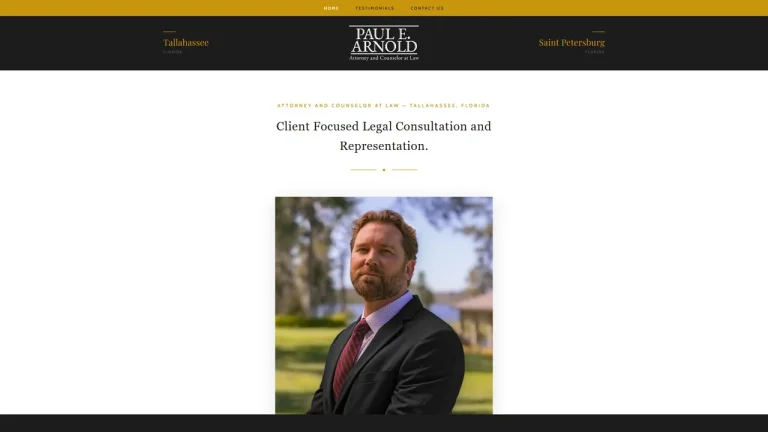
Paul Arnold, Attorney and Counselor at Law - Tallahassee, FL

Ball Janik LLP - Miami, FL
Lavin Law Group, PA - Miami Business Litigation Lawyer - FL

Ronald A. Luzim, Attorney at Law - Coral Springs, FL

Williams & Holz PA - Tallahassee, FL

Law Offices of Christopher P. Taylor, P.A. - Delray Beach, FL
Matthew T. Vanden Bosch, Attorney at Law & Licensed Real Estate Broker - Boynton Beach, FL
StuderZobel Law - Orlando, FL

Rayboun Winegardner, PLLC - Tallahassee, FL
Straus & Associates, P.A. - Pembroke Pines, FL
Ruben E. Dorta, Attorney at Law - Hialeah, FL

The Law Office of John A. Wagner, PLLC - Boynton Beach, FL

Aimee Melich Law, P.A. - Miami, FL
Wills & Trust Express - Orlando, FL
The Ozark Law Firm, P.A. - Bradenton, FL

Cristina Henry Law - Miami, FL
Khani & Auerbach - Hollywood, FL
Counselaw - Miami, FL
CJ Law Firm, P.A. - Orlando, FL
Schofield & Spencer - Bradenton, FL

Navigating Florida Residential Property Law & Conveyance Forums
Residential real estate conveyances in Florida are governed by comprehensive state property codes, standard form contracts, and mandatory disclosure precedents. Purchase and sale transactions frequently utilize the standard Florida Realtors / Florida Bar (FAR/BAR) contract. When contractual conflicts, boundary disagreements, or escrow disputes arise, matters are adjudicated across Florida Circuit Courts and County Courts, including jurisdictions in Miami-Dade, Broward, Palm Beach, Orange, Hillsborough, and Duval counties.
Attorneys handling residential real estate matters must maintain licensure through The Florida Bar and often align with the Real Property, Probate and Trust Law (RPPTL) Section. Real estate counsel audits title examinations, drafts bespoke contract addenda, navigates municipal unrecorded lien searches, and represents buyers and sellers during real estate closings. In addition, attorneys oversee matters involving the Florida Real Estate Commission (FREC) in Orlando under the Department of Business and Professional Regulation (DBPR).
Retaining local real estate counsel before closing provides essential protection against property purchase disputes. Experienced attorneys frequently negotiate repair escrow agreements, secure curative title affidavits, and resolve disputed earnest money deposit claims outside of court, safeguarding financial investments without requiring protracted courtroom litigation.
Florida Residential Real Estate Fees & Representation Scenarios
| Case Scenario | Fee Structure | Estimated Cost (USD) | Key Cost Determinants |
|---|---|---|---|
| Residential Purchase Closing & Title Examination | Flat Fee | $850 - $2,500 | Title examination, municipal lien search analysis, drafting FAR/BAR riders, and conducting closing settlement. |
| Earnest Money Deposit Dispute & Escrow Resolution | Flat Fee or Hourly | $1,500 - $4,500 | Contract financing contingency review, notice of termination audits, escrow interpleader defense in County Court. |
| Failure to Disclose Latent Defects (Johnson v. Davis) | Hourly or Contingency | $5,000 - $18,000 | Pleading seller misrepresentation, structural engineer inspections, water intrusion audits, and Circuit Court mediation. |
| Circuit Court Quiet Title Action | Flat Fee or Hourly | $2,500 - $6,500 | Clearing unreleased mortgages, wild deeds, probate title chain breaks, and obtaining final quiet title judgment. |
Critical Legal Deadlines & Statutes in Florida
Florida real property transactions must comply with the Statute of Frauds under Fla. Stat. § 689.01 and Fla. Stat. § 725.01, requiring all conveyances of real estate and contracts for sale to be in writing and signed by the parties. Under established Florida Supreme Court doctrine in Johnson v. Davis, residential sellers maintain a non-waivable duty to disclose all known latent defects that materially affect the value of the property and are not readily observable by the buyer. Actions for breach of contract or real estate fraud are governed by the limitation periods of Fla. Stat. § 95.11, carrying a five-year limit for written agreements and a four-year limit for fraud or negligence.
Purchasers of residential condominiums are granted statutory cancellation rights under Fla. Stat. § 718.503, which provides a strict three-day right of rescission for resale condominium units (excluding weekends and legal holidays) and a fifteen-day cancellation period for developer sales following the delivery of condominium governance documents. In communities governed by a homeowners' association, Fla. Stat. § 720.401 mandates the delivery of an HOA disclosure summary; if the summary is not provided prior to contract execution, the buyer may void the agreement within three calendar days of receipt. In leasing, security deposit claims are strictly governed by Fla. Stat. § 83.49, requiring landlords to return deposits within fifteen days or provide written notice of a claim via certified mail within thirty days.
Small Claims Court vs. Circuit Court Real Estate Actions
Florida Small Claims Court handles disputes up to $8,000 pursuant to Fla. Sm. Cl. R. 7.010. While an unrepresented individual might use small claims court to dispute an unpaid rental deposit or modest earnest money balance, this forum cannot resolve complex real estate disputes.
Small claims courts lack the equitable jurisdiction necessary to quiet title, enforce specific performance to compel the transfer of real property, or partition co-owned real estate. These equitable actions fall under the exclusive trial jurisdiction of the Florida Circuit Court. Retaining an experienced Florida residential real estate lawyer ensures that title clouds are permanently eliminated through formal decrees, escrow disputes are aggressively defended, and purchase contracts strictly conform to Florida statutory mandates.
Red Flags & Precautions in Residential Property Transactions
- Relying exclusively on non-attorney title agencies for legal advice during closing, as title agents cannot draft custom legal provisions or advise on contract disputes.
- Missing the strict three-day condominium or HOA rescission windows established under Fla. Stat. § 718.503 and Fla. Stat. § 720.401.
- Failing to order a dedicated municipal unrecorded lien and permit search, leaving the buyer personally liable for open permits and code enforcement fines.
- Waiving inspection or financing contingencies without including tailored language to protect earnest money escrow deposits from forfeiture.
Frequently Asked Questions
What is the seller's legal disclosure duty under Florida law?
Under the landmark Johnson v. Davis precedent, a seller has an affirmative duty to disclose all known latent defects materially affecting the value of the home that are not readily observable to the buyer.
How long is the cancellation period for purchasing a condominium in Florida?
Under Fla. Stat. § 718.503, a buyer has a strict three-day right of rescission upon receiving the condominium documents for a resale unit, and fifteen days for a new developer purchase.
What is the difference between a title company and a real estate attorney in Florida?
A title company acts as an agent of the title insurance underwriter, whereas a real estate attorney provides direct legal counsel, customizes contract riders, and advocates for your legal interests.
How are earnest money escrow disputes resolved in Florida?
Disputed escrow deposits are typically resolved through attorney-led negotiations, Florida Real Estate Commission escrow disbursement orders, or an interpleader lawsuit filed in county or circuit court.
How quickly must a Florida landlord return a residential security deposit?
Pursuant to Fla. Stat. § 83.49, a landlord has fifteen days to return the deposit with interest, or thirty days to provide written notice of a claim via certified mail.