
Business & Work Visa Lawyers in Atlanta
Securing experienced business and work visa lawyers in Atlanta helps corporate employers and international professionals navigate complex federal immigration regulations. Skilled attorneys streamline H-1B filings, L-1 executive transfers, and PERM certifications to maintain organizational compliance and retain essential talent. Explore our verified directory below to connect with leading Atlanta corporate immigration counsel.
Shirazi Immigration Law, Inc. - Atlanta, GA
KPPB LAW - Atlanta, GA
Alien Attorney - Atlanta, GA
Urbina Immigration Law - Atlanta, GA

VAZQUEZ & SERVI, PC - Atlanta, GA

Banta Immigration Law - Atlanta, GA
The Hottle Law Firm, LLC - Atlanta, GA
The Law Office of B. Kanu, LLC - Atlanta, GA
Ascend Law Firm - Atlanta, GA
Lopez Law - Atlanta Personal Injury, Accident and Immigration Lawyers - Atlanta, GA
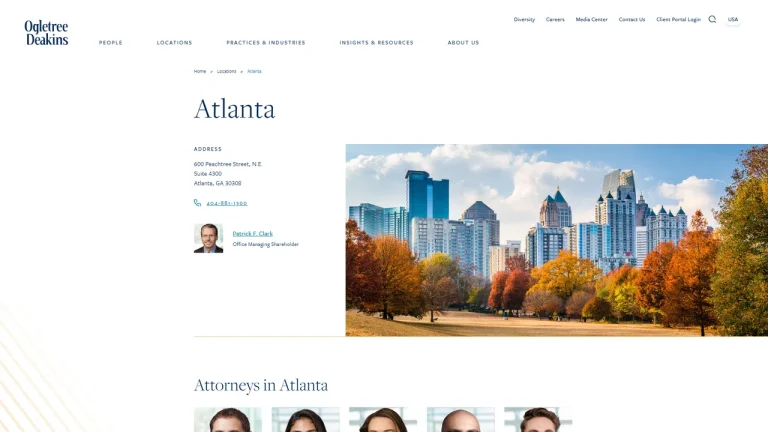
Ogletree Deakins - Atlanta, GA
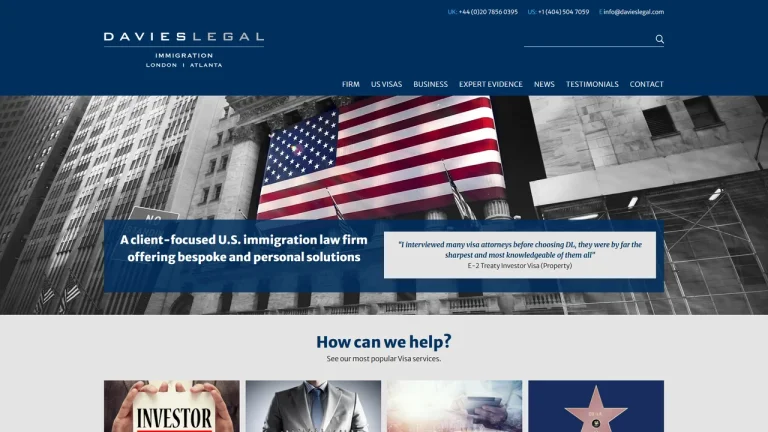
Davies Legal US Immigration - Atlanta, GA
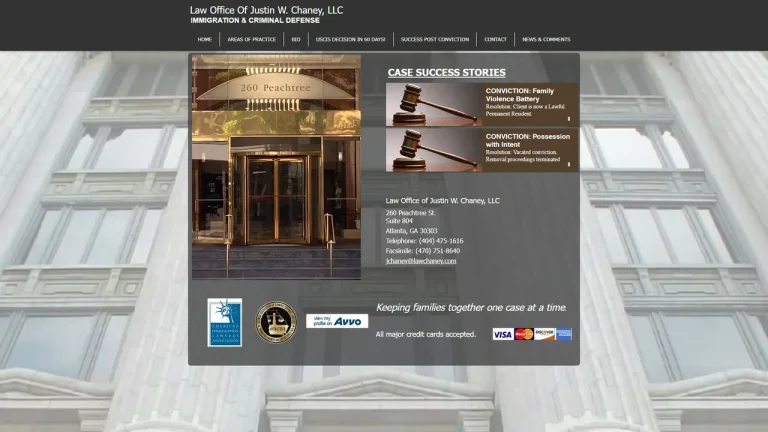
Law Office Of Justin W. Chaney, LLC - Atlanta, GA
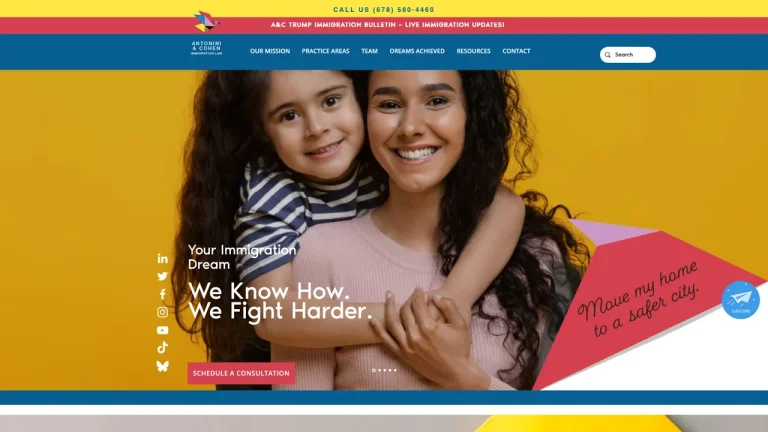
Antonini & Cohen Immigration Law Group - Atlanta, GA
Corporate Immigration Advocacy Across the Atlanta Business Corridor
Atlanta stands as the premier commercial powerhouse of the Southeast, housing Fortune 500 enterprises, innovative technology hubs in Midtown's Tech Square, and global logistics networks centered around Hartsfield-Jackson International Airport. Securing foreign executive, engineering, and specialty talent requires continuous compliance with federal immigration law and Department of Labor standards.
Corporate petitions originating in the Atlanta metropolitan area are adjudicated by regional USCIS service centers, with local in-person corporate verifications and fraud interviews managed by the USCIS Atlanta Field Office. If administrative visa disputes or prevailing wage enforcement actions require federal court intervention, lawsuits are filed in the US District Court for the Northern District of Georgia.
Partnering with a corporate immigration lawyer in Atlanta enables enterprises to effectively navigate H-1B lottery filings, multinational manager intra-company transfers, and permanent labor certifications. Experienced local counsel ensures that your corporate sponsorships, Form I-9 compliance protocols, and foreign national talent retention plans remain fully protected against regulatory scrutiny.
Fee Structures for Atlanta Corporate & Work Visa Legal Services
| Case Scenario | Fee Structure | Estimated Cost (USD) | Key Cost Determinants |
|---|---|---|---|
| H-1B Specialty Occupation Petition & RFE Defense | Flat Legal Fee | $2,500 - $5,500 | Initial electronic registration, specialty occupation defense, wage level tier, and RFE response scope. |
| PERM Labor Certification & EB-2 / EB-3 Green Card | Tiered Flat Retainer | $6,500 - $13,000 | Prevailing wage determinations, mandatory recruitment advertising compliance, and DOL audit defenses. |
| L-1A / L-1B Intracompany Transferee Petitions | Structured Retainer | $5,000 - $11,000 | Multinational organizational hierarchy, specialized knowledge substantiation, and new office petitions. |
| O-1 Extraordinary Ability & EB-2 National Interest Waiver | Comprehensive Retainer | $6,000 - $12,500 | Scholarly citations, commercial venture impact, expert recommendation letters, and substantial merit proof. |
Critical Legal Deadlines & Statutes in Georgia
Corporate visa workflows must strictly adhere to statutory timelines governed by federal regulations. Petitions for H-1B specialty workers under 8 U.S.C. § 1184(c) must comply with the annual USCIS electronic lottery registration window every spring. In addition, employers initiating permanent residence through PERM labor certification must obtain prevailing wage determinations under 20 C.F.R. § 656.40 and follow mandatory recruitment timetables under 20 C.F.R. § 656.17(e), which require advertisements to be placed no more than 180 days and at least 30 days prior to filing.
Foreign workers on F-1 STEM OPT must observe the 60-day grace period under 8 C.F.R. § 214.2(f)(5)(iv) upon program completion to secure a visa status transition or depart the country. Furthermore, when USCIS issues a Request for Evidence (RFE) or Notice of Intent to Deny (NOID), employers must file comprehensive responses within the strict deadlines specified pursuant to 8 C.F.R. § 103.2(b)(8), as extensions cannot be granted by the agency.
Small Claims Limits vs. Professional Representation in Fulton County
Under O.C.G.A. § 15-10-2, the Fulton County Magistrate Court resolves civil controversies with claims capped at $15,000. While a business can use magistrate court to recover damages against a consulting contractor or collect an unpaid commercial service invoice under $15,000, state magistrate courts have zero legal jurisdiction over corporate work visas or immigration enforcement.
Employment immigration is governed exclusively by the Immigration and Nationality Act under 8 U.S.C. § 1101. State and county courts cannot modify employment authorizations, grant extensions of stay, or overturn visa petition denials. Corporate entities that manage employment petitions without qualified immigration counsel face severe risks, including statutory fines for Form I-9 noncompliance, Department of Labor debarment, and the sudden loss of vital foreign personnel.
Red Flags When Hiring an Atlanta Business Visa Attorney
Corporate human resources departments and executives must carefully vet immigration counsel. Avoid firms exhibiting these warning signs:
- Guaranteeing lottery selection in the competitive H-1B cap lottery or promising approvals from USCIS adjudicators.
- Firms that fail to guide employers on Department of Labor compliance, Public Access Files, and Form I-9 audit protocols.
- Non-attorney HR consulting agencies attempting to prepare employment visa petitions without oversight from a licensed Georgia or federal immigration attorney.
- Opaque fee schedules that hide mandatory Department of Homeland Security filing surcharges, premium processing fees, or RFE defense costs.
Frequently Asked Questions
What is the difference between an H-1B and an L-1 work visa?
An H-1B visa is for specialty occupations requiring a bachelor's degree under 8 U.S.C. § 1101(a)(15)(H), whereas an L-1 visa is for intracompany transferees transferred from a foreign branch under 8 U.S.C. § 1101(a)(15)(L).
Can an Atlanta tech startup sponsor an international founder for a visa?
Yes, startups can sponsor founders via O-1 extraordinary ability visas, E-2 investor visas, or through an EB-2 National Interest Waiver if their enterprise demonstrates national importance.
How long is a PERM labor certification valid once approved?
An approved PERM labor certification remains valid for 180 days, during which the employer must file the Form I-140 immigrant petition with USCIS under 20 C.F.R. § 656.30.
What happens if USCIS issues a Request for Evidence on a work petition?
Employers must submit a complete evidentiary response addressing all cited concerns before the statutory deadline under 8 C.F.R. § 103.2(b)(8) to prevent denial.
Can a corporate immigration case be challenged in Atlanta federal court?
Yes, unlawful petition denials or unreasonable agency delays can be challenged by filing an Administrative Procedure Act lawsuit in the US District Court for the Northern District of Georgia.