
Financial & IP Lawyers in Atlanta
Protecting commercial assets, proprietary technology, and financial transactions in Atlanta requires sophisticated counsel versed in Georgia and federal regulations. An experienced Atlanta financial and IP lawyer safeguards patent portfolios, negotiates complex venture agreements, and resolves contentious infringement disputes. Explore our directory below to schedule a consultation with top-rated Atlanta commercial attorneys.
Joe S. Habachy, PC - Atlanta, GA

Brock & Stout Attorneys at Law - Atlanta, GA
Dentons - Atlanta, GA
Clyde & Co - Atlanta, GA
Baker Jenner LLLP - Atlanta, GA

Hoffman & Associates Attorneys-at-Law, LLC - Atlanta, GA

George Sink, P.A. Injury Lawyers - Atlanta, GA
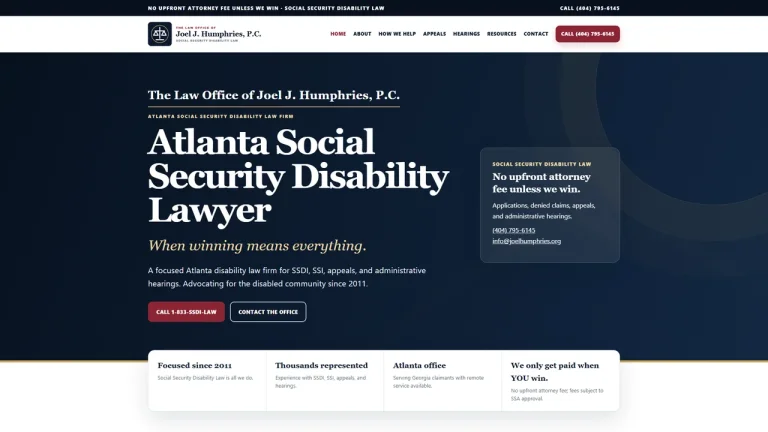
LAW OFFICE OF JOEL J HUMPHRIES PC - Atlanta, GA
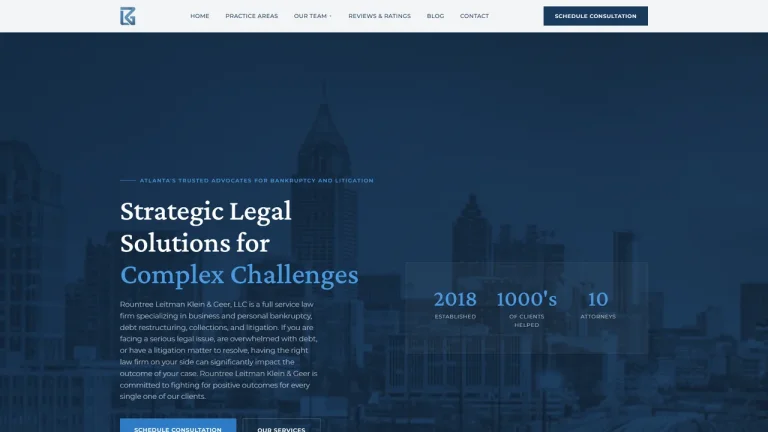
Rountree Leitman Klein & Geer, LLC - Atlanta, GA

Founders Legal | Bekiares Eliezer LLP - Atlanta, GA

Morris Legal and Tax - Atlanta, GA

Nelson Mullins Riley & Scarborough LLP - Atlanta, GA

Mitchell Law Practice - Atlanta, GA

Taylor Duma LLP - Atlanta, GA

The Saunders Firm, P.C. - Atlanta, GA

The Walter Law Group - Atlanta, GA

The Hawk Legal Collective, LLC. - Atlanta, GA

Hansford McDaniel - Workers' Compensation Attorneys - Atlanta, GA
Smith, Gambrell and Russell, LLP - Atlanta, GA

McKenney and Froelich, Attorneys at Law - Atlanta, GA

Morochnik Law, LLC - Atlanta, GA
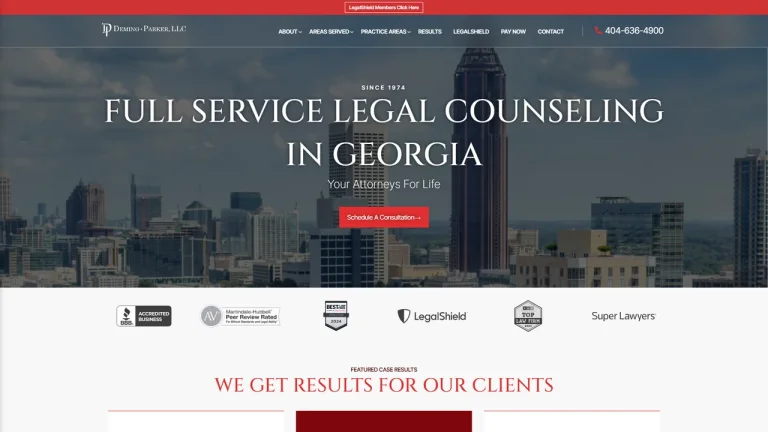
Deming Parker, LLC - Atlanta, GA

Aldridge Pite Haan LLP - Atlanta, GA

Safeguarding Commercial and Intellectual Property in Atlanta
Atlanta stands as the financial technology capital of the Southeast, processing a dominant share of global payment transactions through its recognized "Transaction Alley." Operating a commercial enterprise, financial service company, or software venture across Midtown, Buckhead, Downtown, or Old Fourth Ward demands rigorous compliance with federal regulations, banking requirements, and intellectual property statutes.
Corporate governance, equity financing, and trade secret litigation are centered in the Fulton County Superior Court at the Lewis R. Slaton Courthouse, as well as the specialized Georgia Statewide Business Court in Downtown Atlanta. Substantive intellectual property disputes-including patent infringement, trademark disputes under the Lanham Act, and federal copyright claims-fall under the jurisdiction of the U.S. District Court for the Northern District of Georgia at the Richard B. Russell Federal Building.
Whether your company is securing venture capital financing, registering novel payment processing methods with the USPTO, or defending proprietary source code against misappropriation by former employees, retaining specialized Atlanta financial and IP attorneys guarantees your competitive advantages remain protected under Georgia and federal law.
Legal Fee Structures for Financial and IP Counsel in Atlanta
| Case Scenario | Fee Structure | Estimated Cost (USD) | Key Cost Determinants |
|---|---|---|---|
| Federal Trademark Registration (USPTO) | Flat Legal Fee | $1,000 - $2,500 | Comprehensive clearance search depth, number of international classes, Office Action responses. |
| Non-Provisional Utility Patent Drafting & Filing | Flat / Structured Fee | $7,500 - $15,000 | Technical complexity of claims, software architecture specifications, USPTO examiner interviews. |
| FinTech Compliance & Venture Capital Financing | Hourly / Retainer Model | $5,000 - $20,000 | State money transmitter licenses, SEC private placement exemptions, SAFE/Series A terms. |
| Federal IP Infringement Litigation | Structured Retainer / Hourly | $25,000 - $100,000+ | Preliminary injunction motions, Markman claim construction hearings, electronic discovery volume. |
Critical Legal Deadlines & Statutes in Georgia and Federal Law
Commercial intellectual property protection requires precise coordination between federal statutes and Georgia state law. Under the Georgia Trade Secrets Act codified in O.C.G.A. § 10-1-760, proprietary formulas, customer compilations, and source code are protected from unlawful acquisition. Under O.C.G.A. § 10-1-765, an action for trade secret misappropriation must be initiated within five (5) years after the misappropriation is discovered or should have been discovered through reasonable diligence. Concurrent federal claims under the Defend Trade Secrets Act in 18 U.S.C. § 1836 enforce a three-year statute of limitations.
Patent protection in the United States operates under a strict first-inventor-to-file rule governed by 35 U.S.C. § 102. Inventors must file a patent application within one year of publicly disclosing, selling, or offering the invention for sale, or forfeit patent rights permanently into the public domain. Core patent eligibility guidelines for software and automated financial methods are governed by 35 U.S.C. § 101.
For brand assets, trademark protection is secured under the Lanham Act in 15 U.S.C. § 1051. Following publication of a mark in the USPTO Official Gazette, adverse parties have thirty (30) days under 15 U.S.C. § 1063 to file an opposition with the Trademark Trial and Appeal Board. Federal copyright protections under 17 U.S.C. § 102 enforce a three-year civil statute of limitations for infringement actions under 17 U.S.C. § 507.
Small Claims Limitations vs. Federal & Business Court Litigation
While contract disputes under $15,000 can be heard in the Fulton County Magistrate Court pursuant to O.C.G.A. § 15-10-2, intellectual property and financial technology matters fall outside magistrate jurisdiction. Federal courts hold exclusive statutory jurisdiction over patent and copyright claims pursuant to 28 U.S.C. § 1338.
Attempting to handle complex IP transactions or trade secret disputes without specialized counsel introduces severe corporate risk. Enforcing restrictive covenants under the Georgia Restrictive Covenants Act in O.C.G.A. § 13-8-50 or obtaining emergency preliminary injunctions to stop unauthorized software dissemination requires sophisticated litigation before the Georgia Statewide Business Court or the federal Northern District of Georgia.
Red Flags When Hiring a Financial & IP Lawyer in Atlanta
- Invention Promotion Scams: Avoid non-attorney patent marketing organizations that charge substantial upfront fees for low-quality provisional patents without registered USPTO patent bar licensing.
- Skipping Trademark Clearance Searches: Competent IP counsel will never file a federal trademark application without conducting comprehensive common-law and state trademark clearance searches across Georgia.
- Unfamiliarity with FinTech Regulations: Ensure counsel possesses specific expertise in Georgia Department of Banking and Finance rules, money transmitter compliance, and federal FinCEN frameworks.
- Opaque Billing for USPTO Office Actions: Demand written clarity regarding whether responses to USPTO substantive office actions are billed under flat rates or open-ended hourly fees.
Frequently Asked Questions
Why is Atlanta a prominent center for financial and IP law?
Atlanta processes over seventy percent of all U.S. payment card transactions through its FinTech corridor, creating an extensive demand for legal expertise in payment processing, software licensing, cybersecurity, and patent prosecution.
What is the Georgia Statewide Business Court?
The Georgia Statewide Business Court is a specialized judicial division headquartered in Atlanta designed to adjudicate complex commercial, contract, and corporate governance disputes efficiently with dedicated judicial expertise.
How can software algorithms be protected under federal intellectual property law?
Software can be protected through a multi-tiered IP strategy: patenting unique functional processes under federal patent law, registering source code with the U.S. Copyright Office, and maintaining proprietary architecture under trade secret law.
What is the statute of limitations for trade secret theft in Georgia?
Under the Georgia Trade Secrets Act, a plaintiff must initiate a lawsuit within five years of when the misappropriation was discovered or reasonably should have been discovered.
Are non-compete agreements enforceable against technology employees in Atlanta?
Under the Georgia Restrictive Covenants Act, reasonable non-compete agreements are enforceable provided they protect legitimate business interests and are reasonable in geographic scope, duration, and restricted activities.