
Citizenship Lawyers in Georgia
Engaging a dedicated Georgia citizenship lawyer ensures your naturalization application satisfies rigorous statutory requirements and resolves potential criminal or travel complications. Experienced immigration attorneys prepare Form N-400 filings, conduct interview preparation, and advocate before USCIS field offices in Atlanta and Lawrenceville. Browse our statewide directory below to connect with verified Georgia citizenship lawyers.

The Law Office of B. Kanu, LLC - Atlanta, GA

Antonini & Cohen Immigration Law Group - Atlanta, GA

Watts and Watts - Savannah, GA

Davies Legal US Immigration - Atlanta, GA

The Seekie Law Firm - Macon, GA
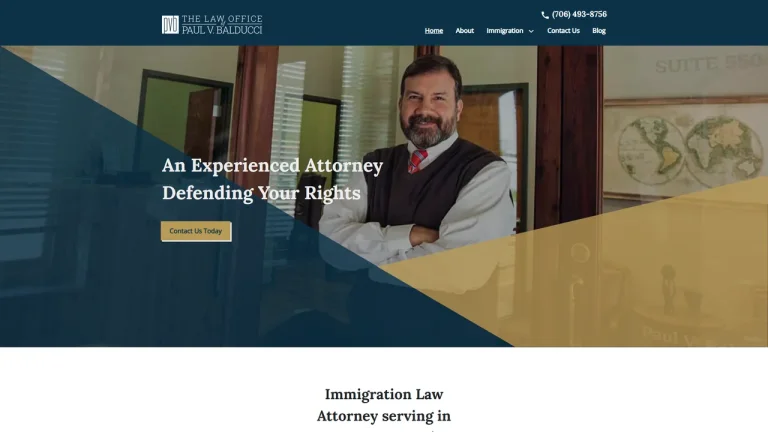
PVB Law LLC - Augusta, GA
Urbina Immigration Law - Atlanta, GA

Alien Attorney - Atlanta, GA

Deadwyler-Heuman Law Firm, LLC - Macon, GA
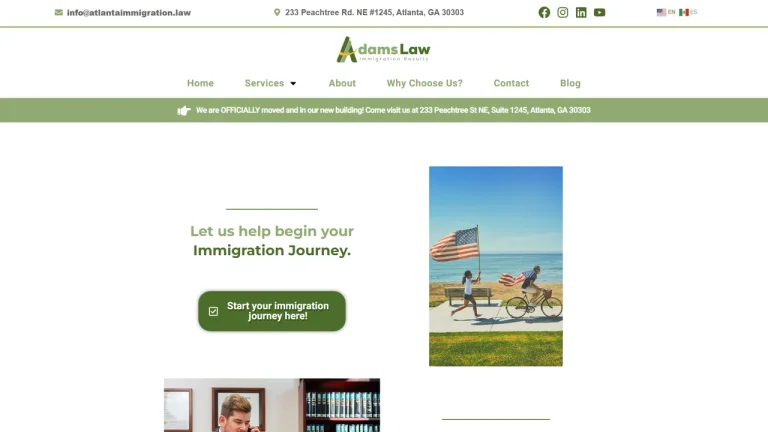
Adams Law - Atlanta, GA

Dobson Law LLC - Savannah, GA

Banta Immigration Law - Atlanta, GA

Sessoms Law Group, LLC - Atlanta, GA

Manji Law, P.C. - Columbus, GA
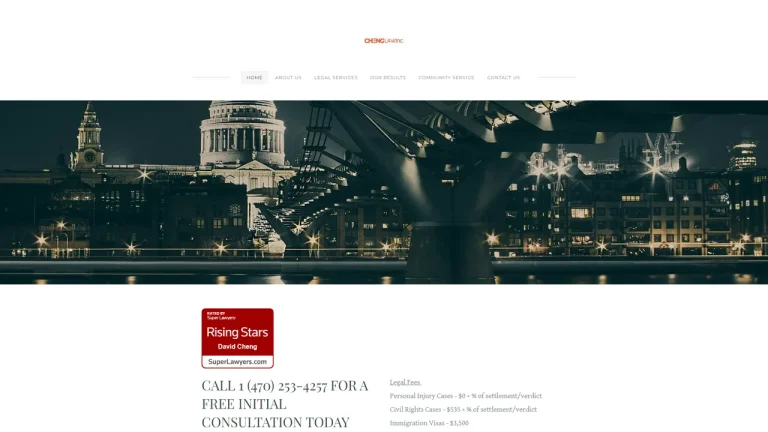
Law Office of Attorney David Cheng - Atlanta, GA

The Hottle Law Firm, LLC - Atlanta, GA
Law Office Of Justin W. Chaney, LLC - Atlanta, GA
Shirazi Immigration Law, Inc. - Atlanta, GA
Jack Strother - Savannah, GA

Sujata Gupta Winfield, LLC - Athens, GA
VAZQUEZ & SERVI, PC - Atlanta, GA

Samuel Thomas Law, LLC - Athens, GA
Mika Law LLC - Savannah, GA
Navigating the U.S. Naturalization Process in Georgia
Applying for United States citizenship through naturalization in Georgia requires coordinating with U.S. Citizenship and Immigration Services (USCIS) field offices operating within the state. Most Georgia residents are assigned to either the Atlanta Field Office or the Lawrenceville Field Office for biometrics, naturalization interviews, and administrative oaths. While naturalization is governed by federal statutes under Title 8 of the United States Code, local USCIS adjudicators closely examine state court records, county tax documents, and child support compliance under Georgia law.
Submitting Form N-400 opens an applicant's complete immigration history to government review. If an applicant has prior arrests in Georgia Municipal, State, or Superior Courts, extended travel outside the country, or irregularities in how their green card was originally obtained, filing for citizenship can trigger a denial or even result in the issuance of a Notice to Appear (NTA) for deportation proceedings before the Atlanta Immigration Court. Retaining an attorney admitted to the State Bar of Georgia ensures that potential inadmissibility issues are identified and resolved before filing.
Georgia citizenship lawyers assist applicants by assembling certified court dispositions, drafting legal briefs demonstrating good moral character, and preparing clients for the civics and English examinations. Having an attorney present during your naturalization interview ensures your statutory rights are respected and procedural errors are promptly corrected.
Georgia Citizenship and Naturalization Legal Fees
| Case Scenario | Fee Structure | Estimated Cost (USD) | Key Cost Determinants |
|---|---|---|---|
| Standard Naturalization (Form N-400) | Flat Fee | $1,200 - $2,500 | Continuous residence analysis, physical presence calculations, application drafting, and interview attendance. |
| Naturalization with Prior Criminal Arrests | Flat Fee or Hourly ($250 - $450/hr) | $2,500 - $5,500 | Certified court records from Georgia courts, good moral character rehabilitation briefs, and statutory analysis. |
| Form N-336 Hearing on Naturalization Denial | Flat Fee | $2,000 - $4,500 | Challenging improper USCIS denials, preparing legal memorandums, and de novo administrative review hearings. |
| Federal District Court Mandamus Action | Hourly ($350 - $600/hr) | $4,500 - $12,000 | Filing actions under 8 U.S. Code § 1447(b) in the U.S. District Court for the Northern District of Georgia for adjudicative delays. |
Critical Legal Deadlines & Statutes in Georgia
Naturalization is governed by statutory residence and physical presence criteria that require careful timing. Under 8 U.S. Code § 1427, a lawful permanent resident must maintain continuous residence in the United States for at least five years (or three years if married to a U.S. citizen under 8 U.S. Code § 1430) and be physically present for at least thirty months of those five years. Under 8 C.F.R. § 334.2(b), applicants can file Form N-400 up to ninety days prior to meeting the continuous residence milestone.
If USCIS denies a naturalization application, strict administrative deadlines apply. Pursuant to 8 U.S. Code § 1447(a), the applicant has exactly thirty days from receiving the denial decision to file Form N-336 requesting a de novo hearing before a senior immigration officer. Missing this thirty-day deadline forfeits administrative review rights, leaving the applicant to reapply from the beginning.
When USCIS delays adjudicating a case, applicants have direct recourse to federal courts. Under 8 U.S. Code § 1447(b), if USCIS fails to issue a decision within 120 days after the naturalization examination, the applicant has the right to file a petition in the U.S. District Court (such as the Northern District of Georgia in Atlanta). The federal court has the legal authority to either decide the citizenship petition or order USCIS to complete adjudication immediately.
Small Claims Court vs. Citizenship Legal Representation in Georgia
Under O.C.G.A. § 15-10-2, the Magistrate Court of Georgia has a monetary recovery limit of $15,000 for small civil matters. However, Magistrate Courts possess zero authority over federal administrative agencies, USCIS naturalization decisions, or citizenship determinations.
Submitting a naturalization petition without legal advice can result in serious complications if past misdemeanor citations in Georgia (such as shoplifting under O.C.G.A. § 16-8-14 or driving offenses) are classified as crimes involving moral turpitude (CIMT) under federal immigration law. Engaging a Georgia citizenship lawyer ensures certified court dispositions are secured from county clerks, moral character evidence is compiled, and applicants are accompanied to USCIS interviews in Atlanta or Lawrenceville.
Red Flags When Hiring a Georgia Citizenship Lawyer
- Failing to Review Past Georgia Criminal Dispositions: Avoid lawyers who file Form N-400 without obtaining certified final dispositions from Georgia county clerks for all past arrests and citations.
- Unlicensed "Notario" Typing Services: Reject non-attorney document preparers who cannot legally accompany you to USCIS interviews or represent you in federal court.
- Guaranteed Processing Timelines: Be cautious of practitioners promising guaranteed approval dates; USCIS processing times depend on agency backlogs and background checks.
- Inability to File Federal Court Actions: Steer clear of attorneys who lack admission to the U.S. District Court for the Northern District of Georgia to pursue remedies under 8 U.S. Code § 1447(b).
Frequently Asked Questions
Where are citizenship interviews held in Georgia?
USCIS naturalization interviews in Georgia are conducted at designated field offices, primarily the Atlanta Field Office and the Lawrenceville Field Office. Your appointment notice specifies the exact facility based on your residential ZIP code.
What happens if USCIS delays a decision after my interview in Georgia?
Under 8 U.S. Code § 1447(b), if USCIS does not make a determination within 120 days after your examination, you can file a lawsuit in the U.S. District Court in Georgia, asking a federal judge to adjudicate your citizenship application.
How do prior misdemeanor arrests in Georgia affect naturalization?
Certain misdemeanor offenses under Georgia law can be treated as crimes involving moral turpitude, which may disrupt the required five-year good moral character period. An attorney must review certified court dispositions before filing Form N-400.
Can I apply for U.S. citizenship 90 days early?
Yes. Under 8 C.F.R. § 334.2(b), permanent residents may submit Form N-400 up to ninety days before fulfilling the mandatory continuous residence requirement (either three or five years).
What is Form N-336 and when must it be filed?
Form N-336 is a Request for a Hearing on a Decision in Naturalization Proceedings. Under 8 U.S. Code § 1447(a), it must be filed within thirty days of receiving an N-400 denial notice to obtain an administrative review before a senior immigration officer.