
Bankruptcy Lawyers in Hawaii
Filing for bankruptcy in Hawaii halts creditor actions immediately, protecting your family home and income under federal and state statutory exemptions. An experienced local bankruptcy attorney guides you through the means test, prepares accurate schedules, and prevents costly procedural errors. Explore our directory below to connect with a qualified attorney across the islands.

Hawaii Debt Solutions - Honolulu, HI

Blake Goodman, PC, Bankruptcy & Debt Settlement Attorneys - Honolulu, HI

Allen N. Davey LLC, Attorney at Law, CPA - Honolulu, HI

Square One Legal - Honolulu, HI
Tsugawa Lau and Muzzi LLLC - Honolulu, HI

Lars Peterson Hawaii Bankruptcy Attorney - Honolulu, HI
Affinity Law Group LLLC - Honolulu, HI

James Lewis - Honolulu, HI

O'Connor Playdon Guben & Inouye LLP - Honolulu, HI

Donald L. Spafford Jr. Attorney at Law - Honolulu, HI

Ashford & Wriston - Honolulu, HI

The Law Office of Jean Christensen LLLC - Honolulu, HI

Doi / Luke, Attorneys at Law, LLLC - Honolulu, HI
Summit Real Estate Law Firm - Honolulu, HI
Volunteer Legal Services Hawaii - Honolulu, HI
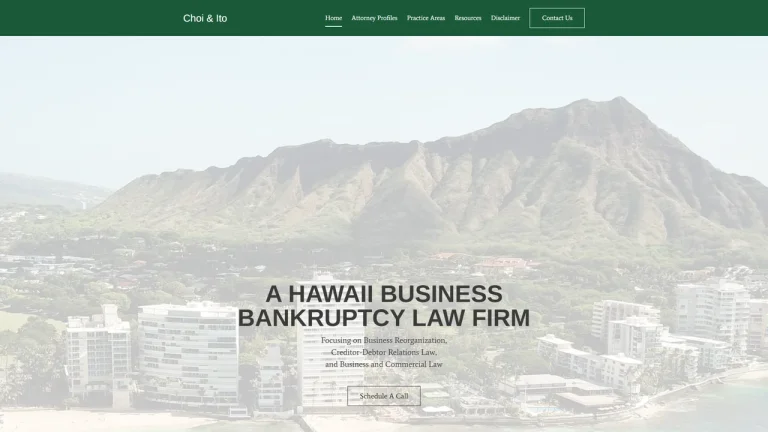
Wagner Choi & Verbrugge - Honolulu, HI
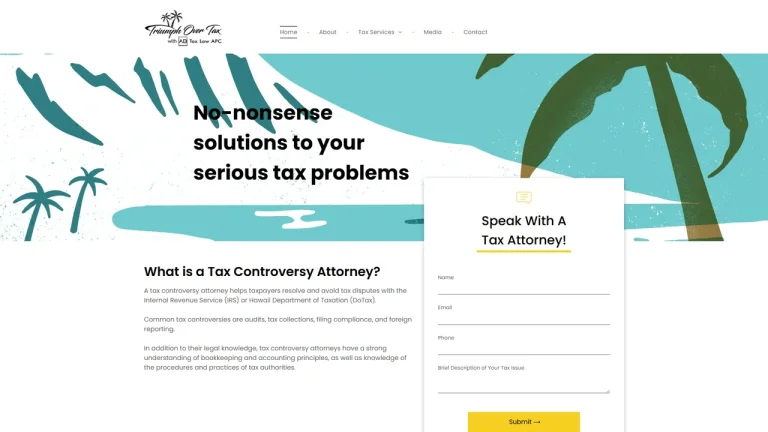
AB Tax Law APC - Honolulu, HI
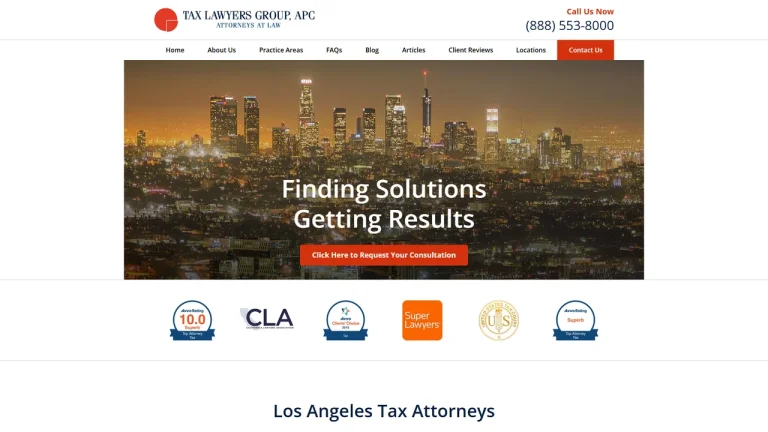
Tax Lawyers Group, APC - Honolulu, HI

Ed Magauran, Hawaii Bankruptcy Attorney - Honolulu, HI

Attorney Khaled S. Mujtabaa - Honolulu, HI
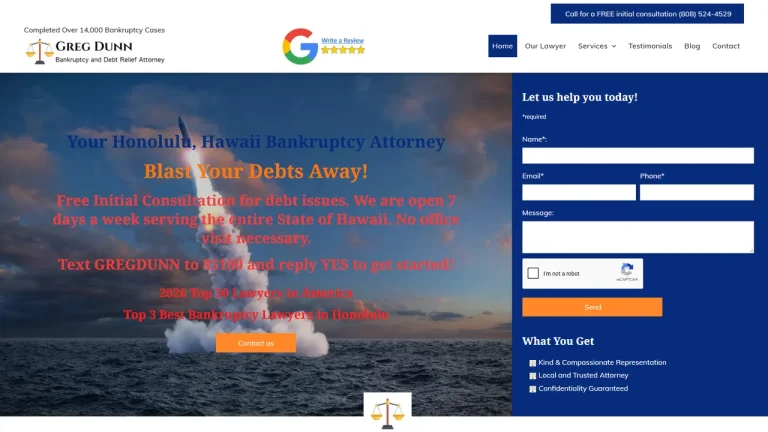
Greg Dunn - Honolulu, HI
Law Offices of Paul D. Schmeding - Honolulu, HI

Federal Bankruptcy Jurisdiction Across the State of Hawaii
All bankruptcy proceedings across the Hawaiian Islands are governed by federal statutory law and fall under the exclusive jurisdiction of the United States Bankruptcy Court for the District of Hawaii. Located on Bishop Street in downtown Honolulu, this federal court manages all individual Chapter 7 liquidations, Chapter 13 wage-earner reorganizations, and commercial restructuring matters arising from Oahu, Maui, Hawaii County, and Kauai.
Navigating bankruptcy on the islands involves unique local economic factors, including high housing costs, distinct homestead allowances, and strict judicial interpretations of household expenses under the statutory means test. Debtors must follow the Local Rules of the United States Bankruptcy Court for the District of Hawaii, which dictate strict electronic filing protocols, local debtor education verifications, and procedures for Section 341 meetings of creditors conducted in Honolulu or via secured teleconference.
Selecting an attorney licensed by the Hawaii State Bar Association ensures your schedules properly account for local exemptions and property rights unique to island residents. Experienced counsel accurately values undivided interests in real estate, safeguards private retirement funds, and negotiates effectively with the appointed panel of bankruptcy trustees serving the District of Hawaii.
Hawaii Bankruptcy Legal Costs & Matter Scenarios
| Case Scenario | Fee Structure | Estimated Cost (USD) | Key Cost Determinants |
|---|---|---|---|
| Chapter 7 Liquidation (Individual / Uncontested) | Standard Flat Fee | $1,500 - $2,900 | Means test qualification, total creditor count, exemption schedule complexity |
| Chapter 13 Debt Reorganization (Individual Wage Earner) | Court-Approved Presumptive Fee | $3,500 - $5,500 | Plan duration (36 to 60 months), mortgage arrearage cures, priority state tax debts |
| Subchapter V Small Business Reorganization | Retainer + Hourly Rate | $7,500 - $20,000 | Commercial debt restructuring, cash collateral stipulations, plan confirmation hearings |
| Adversary Proceeding Litigation (Dischargeability Dispute) | Hourly Rate ($300 - $550/hr) | $4,500 - $12,000 | Allegations of fraud, preferential transfer claims, evidentiary depositions |
Critical Legal Deadlines & Statutes in Hawaii
Under the federal Bankruptcy Code, mandatory pre-petition credit counseling must be completed within 180 days prior to filing under 11 U.S.C. § 109(h). Upon filing, the automatic stay established under 11 U.S.C. § 362 immediately takes effect, barring all pending wage garnishments, foreclosure sales, and state court civil collection actions throughout Hawaii.
Hawaii debtors have the legal option to elect either the federal bankruptcy exemptions or state statutory exemptions. Under Haw. Rev. Stat. § 651-91, Hawaii provides a state homestead exemption of up to $30,000 for an individual or $40,000 for the head of a family, while personal property protections are codified under Haw. Rev. Stat. § 651-121. Debtors filing Chapter 13 must submit their proposed repayment plan within 14 days of the petition date pursuant to Fed. R. Bankr. P. 3015(b). Creditors or trustees seeking to challenge a debtor discharge must file an adversary complaint within 60 days following the first scheduled Section 341 meeting under Fed. R. Bankr. P. 4004(a).
Federal Bankruptcy Code vs. Hawaii Small Claims Division
While the Small Claims Division of the District Court in Hawaii adjudicates minor civil disputes up to $5,000 pursuant to Haw. Rev. Stat. § 633-27, it possesses no legal authority to discharge debt, alter loan terms, or enjoin debt collection efforts. Debtors defending claims in regular District Court under Haw. Rev. Stat. § 604-5 face enforceable judgments that can lead to post-judgment bank levies and wage garnishments of up to 25 percent under Hawaii state law. Navigating federal bankruptcy without legal counsel often results in improper exemption claims, leading to the liquidation of personal vehicles or the dismissal of the petition with a temporary bar on refiling. A bankruptcy lawyer ensures complete discharge while shielding eligible home equity and exempt assets from trustee turnover.
Red Flags When Selecting a Hawaii Bankruptcy Lawyer
- High-volume bankruptcy petition mills that assign client interviews entirely to non-attorney staff rather than licensed legal counsel.
- Attorneys who fail to compare federal exemptions against Hawaii state exemptions under local statutory codes to determine maximum asset protection.
- Demanding upfront fees while failing to disclose mandatory federal court filing fees ($338 for Chapter 7, $313 for Chapter 13) or required credit education costs.
- Advising debtors to transfer island property, liquidate retirement funds, or accumulate credit card balances immediately prior to petition filing.
Frequently Asked Questions
Can filing bankruptcy in Hawaii stop an active judicial foreclosure?
Yes. Filing a bankruptcy petition triggers the federal automatic stay immediately, which halts all state court foreclosure actions, sheriff sales, and lender proceedings across Hawaii. In Chapter 13, debtors can cure mortgage arrears over a three-to-five-year structured repayment plan while retaining their residence.
Does Hawaii allow debtors to use federal bankruptcy exemptions?
Yes. Hawaii is an opt-out choice state, meaning debtors who satisfy residency requirements may choose between Hawaii state exemptions or federal bankruptcy exemptions. Your attorney will calculate which exemption scheme protects more of your equity, vehicles, and personal savings.
How does the Chapter 7 means test apply to Hawaii residents?
The means test compares your average household gross income over the six months prior to filing against Hawaii median income figures for an equivalent family size. Due to higher island living expenses, specific local deduction allowances are applied to determine whether you qualify for Chapter 7 liquidation.
Where is the Section 341 meeting of creditors conducted?
Section 341 meetings of creditors for the District of Hawaii are supervised by the Office of the U.S. Trustee. While historically conducted at the federal courthouse in Honolulu, most 341 meetings are now held via telephone conference or secure video link, allowing neighbor island residents to attend without inter-island travel.
Will filing bankruptcy discharge delinquent Hawaii state income taxes?
Certain older state income taxes owed to the Hawaii Department of Taxation can be discharged in Chapter 7 or restructured in Chapter 13, provided the tax returns were filed on time, the debt is at least three years old, the assessment is at least 240 days old, and there is no evidence of tax evasion or fraud.