
Employment & Labor Lawyers in Hawaii
Consulting a licensed Hawaii employment lawyer ensures your workplace rights are protected under stringent state labor statutes. Professional legal counsel can often negotiate favorable severance packages or resolve wrongful termination claims through structured mediation. Browse our verified statewide directory to schedule a comprehensive workplace claim review today.

Char Sakamoto Ishii Lum & Ching - Honolulu, HI
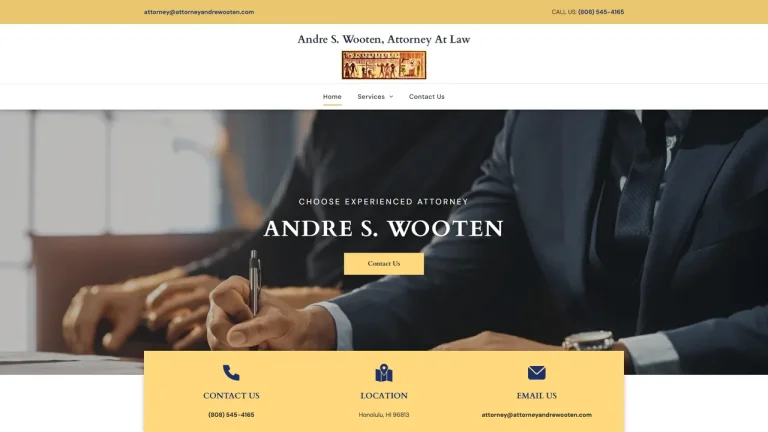
Andre S. Wooten, Attorney At Law - Honolulu, HI

Joseph T Rosenbaum Honolulu, HI

Shaheen & Gordon, P.A. - Honolulu, HI
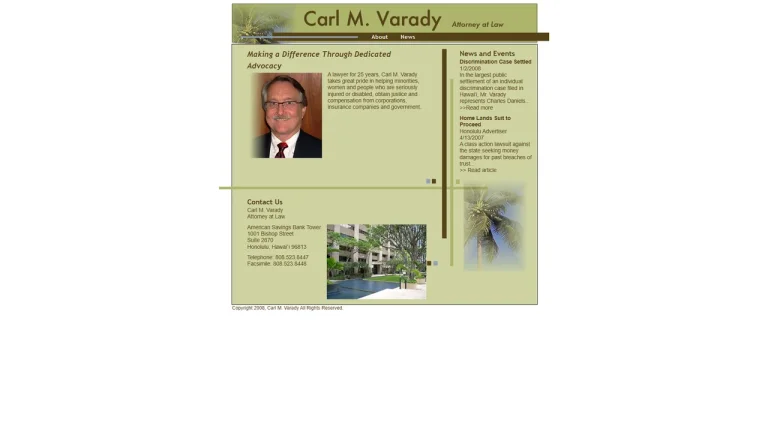
Law Office of Carl M. Varady - Honolulu, HI

Gilbert Employment Law, P.C. - Honolulu, HI

Gilbert & Smith Law Firm (Smith Himmelmann) - Honolulu, HI

DiPasquale & Summers LLP - Honolulu, HI

The Law Offices of Brandee J.K. Faria, LLLC - Honolulu, HI

Watanabe Ing LLP - Honolulu, HI
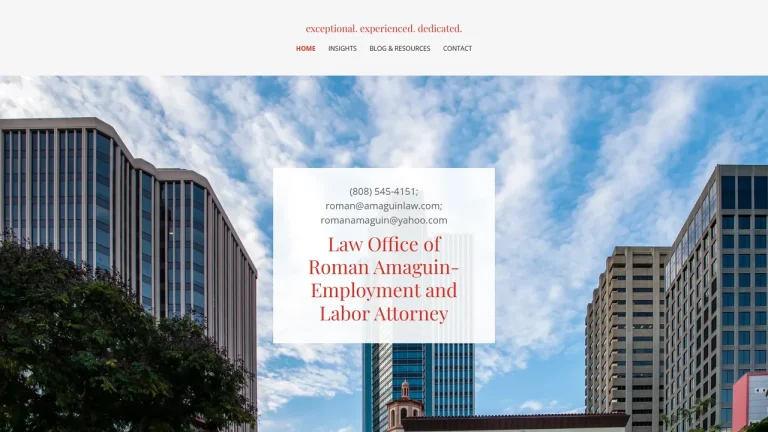
Law Office of Roman Amaguin - Honolulu, HI
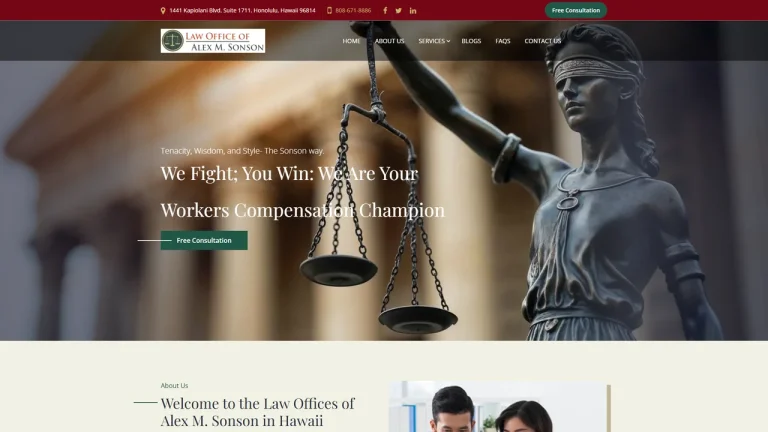
Law Offices of Alex M. Sonson - Honolulu, HI
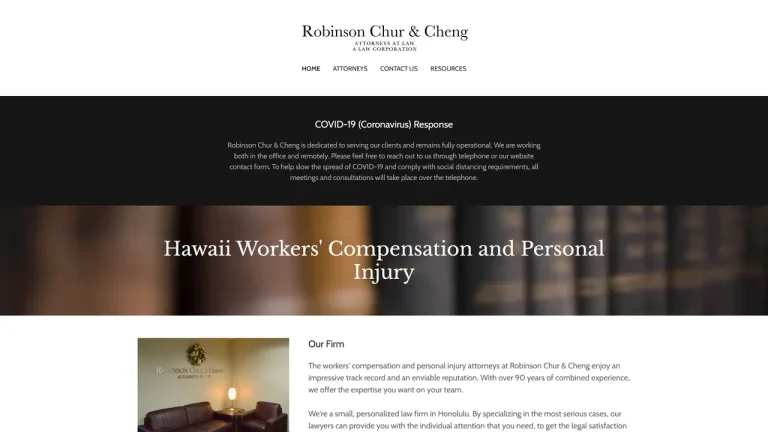
Robinson Chur and Cheng Attorneys at Law - Honolulu, HI
The Law Offices of W. Anthony Aguinaldo - Honolulu, HI
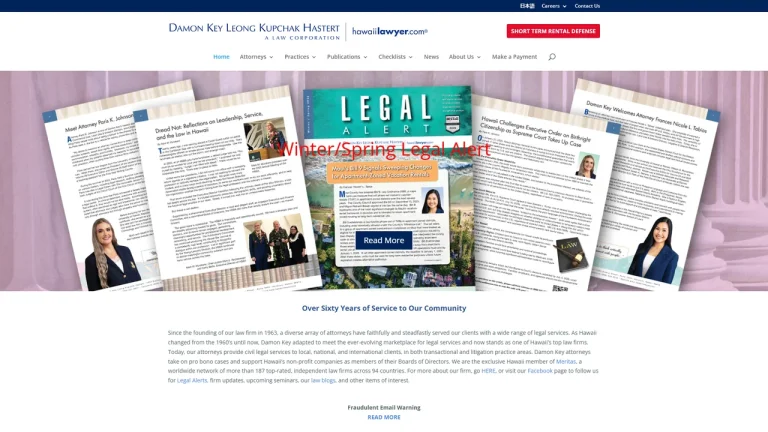
Damon Key Leong Kupchak Hastert - Honolulu, HI

Law Offices of William Fenton Sink - Honolulu, HI

Law Office of Darin R. Leong LLLC - Honolulu, HI
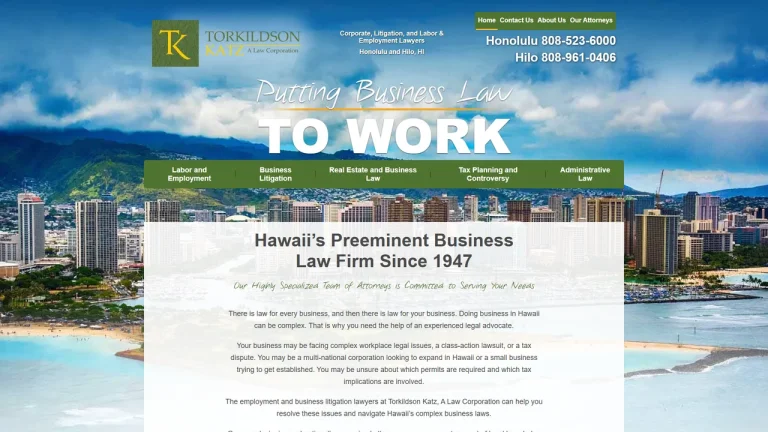
Torkildson Katz, A Law Corporation - Honolulu, HI

Law Office of Rod Bridgers, LLLC - Honolulu, HI
Law Office of Damon Senaha - Honolulu, HI
Davis Levin Livingston - Honolulu, HI

Michael P. Healy Attorney at Law - Honolulu, HI
Kobayashi Sugita & Goda, LLP - Honolulu, HI

Hawaii Employment Law & Jurisdiction Standards
Workplace disputes across the Hawaiian islands are governed by robust state statutes that frequently provide broader worker protections than federal standards. From hospitality and tourism enterprises in Waikiki, West Maui, and Kailua-Kona to healthcare organizations, retail networks, and maritime services across Kauai and Oahu, employers must comply with state regulations enforced by the Hawaii Department of Labor and Industrial Relations (DLIR) and the Hawaii Civil Rights Commission (HCRC).
Employment litigation is adjudicated across the First Circuit Court in Honolulu, the Second Circuit Court in Wailuku, the Third Circuit Court in Hilo and Kona, or the Fifth Circuit Court in Lihue, alongside the U.S. District Court for the District of Hawaii. Navigating state labor laws requires attorneys who are members of the Hawaii State Bar Association, thoroughly familiar with judicial case assignments, local court motion schedules, and the statewide Judiciary Electronic Filing and Service System (JEFS).
Securing legal representation early allows employees to preserve statutory remedies, ensure full compliance with mandatory administrative exhaustion prerequisites, and evaluate non-disclosure, non-compete, or severance provisions. Dedicated employment attorneys assist individuals in addressing unlawful wage practices, workplace discrimination, and unlawful retaliation through pre-suit negotiation or trial advocacy.
Common Hawaii Employment Law Fee Structures & Cost Ranges
| Case Scenario | Fee Structure | Estimated Cost (USD) | Key Cost Determinants |
|---|---|---|---|
| Severance Package Review & Negotiation | Flat Fee | $750 - $2,500 | Tenure length, non-compete restrictions, release of statutory claims |
| Unpaid Wage & Overtime Recovery | Contingency (30% - 40%) or Statutory Fees | $0 Upfront (Contingency) | Number of pay periods, liquidated damages applicability, employer payroll records |
| HCRC Discrimination & Retaliation Complaint | Retainer + Hourly ($275 - $500/hr) or Hybrid | $3,500 - $10,000 | Exhaustion of administrative filings, deposition preparation, investigative findings |
| Wrongful Termination & Civil Court Litigation | Contingency or Hourly ($300 - $600/hr) | $15,000 - $45,000+ (or 33% - 40%) | Volume of depositions, expert economic loss calculations, jury trial length |
Critical Legal Deadlines & Statutes in Hawaii
Workers who experience discrimination, sexual harassment, or unlawful retaliation must comply with strict administrative deadlines. Under Haw. Rev. Stat. § 368-11, an administrative complaint must be filed with the Hawaii Civil Rights Commission within 180 days of the alleged discriminatory practice. Exhausting this administrative procedure is generally required before initiating civil litigation in state Circuit Court.
State law broadly prohibits discriminatory employment practices under Haw. Rev. Stat. § 378-2, protecting employees against discrimination based on race, sex, gender identity, sexual orientation, age, religion, color, ancestry, disability, marital status, or arrest and court records. Wage and hour standards are established under Haw. Rev. Stat. § 387-2 and Haw. Rev. Stat. § 388-3, requiring timely compensation for all hours worked and overtime rates. Wage recovery actions are governed by the 2-year limitation period outlined in Haw. Rev. Stat. § 657-11.
Whistleblower protections are enforced under Haw. Rev. Stat. § 378-62, which shields employees who report suspected violations of law from employer retaliation, subject to a 2-year filing window. In contrast, actions based on breach of a formal written employment contract remain governed by the general 6-year statute of limitations provided in Haw. Rev. Stat. § 657-1.
Administrative Agency Filings vs. Retaining Legal Counsel
Certain workplace disputes, such as an unpaid final paycheck, can be submitted directly through the Hawaii Department of Labor and Industrial Relations Wage Standards Division or pursued through the District Court Small Claims division under the $5,000 jurisdictional limit established in Haw. Rev. Stat. § 633-27. These administrative pathways offer streamlined mechanisms for straightforward financial recovery without formal legal representation.
However, when claims involve complex disputes-such as constructive discharge, hostile work environments, severance negotiations, or systemic discrimination under Haw. Rev. Stat. § 378-2-retaining dedicated legal counsel is critical. An employment lawyer structures the administrative charge with the HCRC to prevent procedural dismissal, coordinates right-to-sue notices, evaluates back pay and emotional distress damages, and represents employees during complex discovery and depositions in Hawaii Circuit Courts.
Red Flags When Hiring a Hawaii Employment Attorney
- Lawyers demanding high non-refundable upfront retainers for straightforward wage claims where statutory fee-shifting provisions allow attorney fees to be recovered from the employer.
- Firms guaranteeing specific monetary settlements before reviewing payroll records, personnel files, or internal company handbooks.
- Attorneys who overlook the mandatory 180-day HCRC filing deadline under state law, jeopardizing your ability to pursue civil remedies.
- Practitioners without specific experience litigating employment matters in Hawaii Circuit Courts or before the Hawaii Civil Rights Commission.
Frequently Asked Questions
What is the deadline for filing a workplace discrimination claim in Hawaii?
Under Haw. Rev. Stat. § 368-11, you must file a formal complaint with the Hawaii Civil Rights Commission within 180 days of the date the alleged discriminatory act occurred. Missing this administrative deadline generally bars you from filing a civil lawsuit under state anti-discrimination statutes.
Does Hawaii law protect employees from wrongful termination?
While Hawaii is an at-will employment state, terminations that violate statutory anti-discrimination laws under Haw. Rev. Stat. § 378-2, breach an employment contract, or retaliate against whistleblowers protected by Haw. Rev. Stat. § 378-62 are unlawful and give rise to civil damages.
Can an employer in Hawaii withhold an employee's final paycheck?
No. Under Haw. Rev. Stat. § 388-3, an employer who discharges an employee must pay all earned wages in full no later than the next business day following termination. If an employee quits, wages must be paid no later than the next regular payday.
What remedies are available for unpaid overtime in Hawaii?
Employees denied overtime compensation under Haw. Rev. Stat. § 387-2 may recover back wages, an equal amount in statutory liquidated damages, and reasonable attorney fees and court costs through court proceedings or DLIR enforcement actions.
Do I need a lawyer to negotiate a severance agreement in Hawaii?
Retaining an attorney ensures that severance agreements are thoroughly evaluated before you sign. Counsel examines whether non-compete clauses comply with Hawaii law, negotiates higher compensation, and ensures you do not inadvertently surrender valuable statutory claims.