
Trusts Lawyers in Idaho
Establishing a comprehensive trust in Idaho shields family assets from public probate proceedings and preserves multigenerational wealth. Dedicated legal counsel ensures your revocable or irrevocable trust is properly funded and compliant with state trust statutes. Browse our directory below to consult an experienced Idaho trust attorney today.

Robert L. Aldridge - Boise, ID

Johnson May Boise, ID

Legacy Law Group - Meridian, ID

Alex Kincaid Law - Meridian, ID

Green and Green Law Firm - Meridian, ID

Paré Law, PLLC Boise, ID

Minert Law Office Boise, ID

Riverstone Estate Planning and Probate - Boise, ID
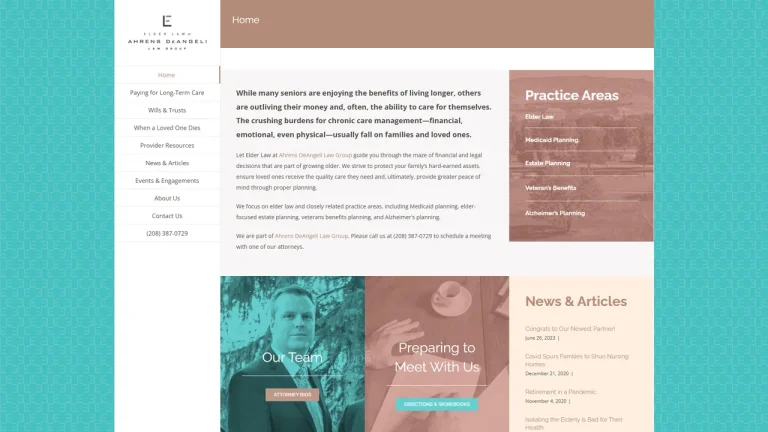
Elder Law at Ahrens DeAngeli Law Group - Meridian, ID

KB Legal, PLLC - Boise, ID

Leavitt Ryan PLLC Boise, ID

Amber R. Myrick, P.A. - Boise, ID

Richey Law Group PC - Meridian, ID

Kozlowski Law Office PLLC - Meridian, ID
Todd Rossman Law - Nampa, ID

Idaho Legal Estates & Probate - Boise, ID

Idaho Estate Planning - Meridian, ID

Gravis Law, PLLC Boise, ID

Legacy Legal Services - Meridian, ID

Clear River Legal, LLC Boise, ID
Randolph E Farber Law Office - Nampa, ID

Law/Alternatives/PLLC Boise, ID

Learned Lawyer PLLC - Boise, ID

The Role of Idaho Trusts Counsel and Judicial Oversight
Establishing a trust in Idaho provides comprehensive asset protection, administrative privacy, and an efficient mechanism to transfer property outside the public probate court system. Trust governance throughout Idaho is anchored in the Uniform Probate Code and state fiduciary statutes. When legal disputes or judicial modifications arise, jurisdiction resides within the Magistrate Division of the District Court across Idaho's seven judicial districts, including active dockets in Ada, Canyon, Bonneville, Kootenai, and Bannock counties.
Trust agreements operate primarily as private contractual arrangements, eliminating the requirement to submit estate inventories or asset lists to the public iCourt records system. Attorneys admitted to the Idaho State Bar design revocable living trusts, irrevocable asset protection trusts, and supplemental needs trusts that align with Idaho property statutes. Because Idaho is a community property state, drafting trust instruments requires careful structuring to maintain the community property status and full step-up in basis for marital assets upon the death of the first spouse.
Engaging a skilled Idaho trusts lawyer ensures that the trust agreement is not merely drafted, but fully funded. Transferring real estate deeds, municipal water shares, private business ownership units, and brokerage accounts into the name of the trustee is what gives the instrument legal authority. Dedicated attorneys provide continuous counsel to grantors and successor trustees, ensuring ongoing fiduciary compliance and seamless wealth administration.
Fee Structures and Drafting Costs for Idaho Trust Instruments
| Case Scenario | Fee Structure | Estimated Cost (USD) | Key Cost Determinants |
|---|---|---|---|
| Individual Revocable Living Trust Package | Flat Fee | $1,500 - $3,500 | Single grantor trust drafting, pour-over will, financial power of attorney, primary residence quitclaim deed transfer. |
| Joint Spousal Community Property Trust | Flat Fee | $2,500 - $5,000 | Community property agreement harmonization, dual pour-over wills, multiple real estate deeds, incapacity planning. |
| Irrevocable Asset Protection / Long-Term Care Trust | Flat Fee or Blended Rate | $4,000 - $9,000 | Medicaid look-back compliance, independent trustee structuring, tax identification establishment, asset retitling. |
| Dynasty / Multi-Generational Trust & Business Assets | Hourly Retainer ($300 - $550/hr) | $5,000 - $15,000+ | Rule against perpetuities structuring under state law, closely held corporate unit transfers, generation-skipping tax planning. |
Critical Legal Deadlines & Statutes in Idaho
Trust administration in Idaho is anchored in the fiduciary standards set forth in Title 15 and Title 68 of the Idaho Code. Under Idaho Code § 15-7-101, the district court holds concurrent jurisdiction over trust administration, internal affairs, and actions to determine the existence of a trust or redress a breach of trust. When a revocable trust becomes irrevocable upon the death of the grantor, trustees must adhere to statutory notice requirements and provide beneficiaries with copies of the trust instrument within reasonable administrative timeframes.
For married couples, trusts must be drafted in harmony with Idaho Code § 32-906 to preserve the community property character of marital assets contributed to the trust. Preserving community property status allows surviving spouses to benefit from a complete tax basis step-up across the entire property rather than just the decedent's half. Additionally, Idaho allows spouses to execute binding community property agreements with rights of survivorship pursuant to Idaho Code § 15-6-401, which function alongside or within trust vehicles.
Idaho offers unique flexibility regarding the duration of trusts. Under Idaho Code § 55-111, Idaho has abolished the traditional common-law rule against perpetuities for personal property held in trust and for real property where the trustee has power of sale, allowing families to establish perpetual dynasty trusts that preserve family wealth across multiple generations. Creditor claims against revocable trust assets following the grantor's death are subject to statutory notice publication under Idaho Code § 15-3-803, establishing a firm four-month cutoff for creditor assertions once notice is published.
Magistrate Small Claims Limits vs. District Court Trust Litigation
Under Idaho Code § 1-2301, the Small Claims Department of the Magistrate Division is capped at $5,000 and is strictly barred from hearing equity proceedings, trust interpretation cases, or fiduciary liability claims. Small claims courts provide no relief for resolving ambiguities in a trust agreement or enforcing trustee duties.
All substantive trust matters-such as petitions to compel a trustee accounting, actions for trustee removal, trust decanting, or defending against breach of fiduciary duty lawsuits-must be initiated in the Magistrate Division or District Court under Title 15. Attempting to manage trust litigation or drafting without counsel creates substantial legal exposure. An improperly funded trust fails to avoid probate, forcing the estate into the exact public magistrate proceedings the grantor sought to prevent. Experienced Idaho trusts counsel ensures instruments are legally sound and properly funded.
Red Flags to Avoid When Selecting an Idaho Trust Attorney
- Marketing outfits and generic online trust mills that sell standardized living trust binders but fail to prepare and record necessary deeds for Idaho real property.
- Attorneys who fail to incorporate community property protections under Idaho Code § 32-906, potentially causing negative capital gains tax consequences for surviving spouses.
- Practitioners who do not provide clear instruction on retitling bank accounts, brokerage assets, or agricultural water rights into the trust.
- Firms charging ambiguous hourly rates for standard revocable living trust packages rather than predictable, comprehensive flat fees.
Frequently Asked Questions
Does a living trust avoid probate in Idaho?
Yes. Assets properly transferred into a valid revocable living trust pass directly to named beneficiaries under the terms of the trust agreement, entirely avoiding public probate administration in the Idaho Magistrate Division.
How does Idaho community property law affect joint living trusts?
Under Idaho Code § 32-906, Idaho is a community property state. A properly structured joint revocable trust explicitly maintains the community property character of marital assets, which secures a full income tax basis step-up upon the death of the first spouse.
Can a trust in Idaho last indefinitely?
Yes. Under Idaho Code § 55-111, Idaho has eliminated the common-law rule against perpetuities for trusts where the trustee has power of sale, permitting the creation of multi-generational dynasty trusts that can last perpetually.
What happens if an asset is not transferred into my Idaho trust?
Any asset titled in an individual's name that is omitted from the trust and lacks a beneficiary designation must pass through probate, subject to the small estate threshold of $100,000 under Idaho Code § 15-3-1201 or a pour-over will proceeding.
What is the deadline for creditors to file claims against a trust in Idaho?
When a trustee or personal representative publishes a formal notice to creditors pursuant to Idaho Code § 15-3-803, creditors must submit their claims within four months of first publication, or those claims are forever barred.