
Wills, Estate Planning & Probate Lawyers in Idaho
Establishing a comprehensive estate plan or administering a loved one's estate in Idaho requires seasoned legal guidance tailored to state probate codes. Experienced Idaho estate planning and probate attorneys help families structure revocable living trusts, draft valid wills, navigate informal probate proceedings, and resolve beneficiary disputes. Explore our verified directory below to schedule an estate consultation with qualified legal counsel across the state.

William H Wellman - Attorney at Law - Nampa, ID
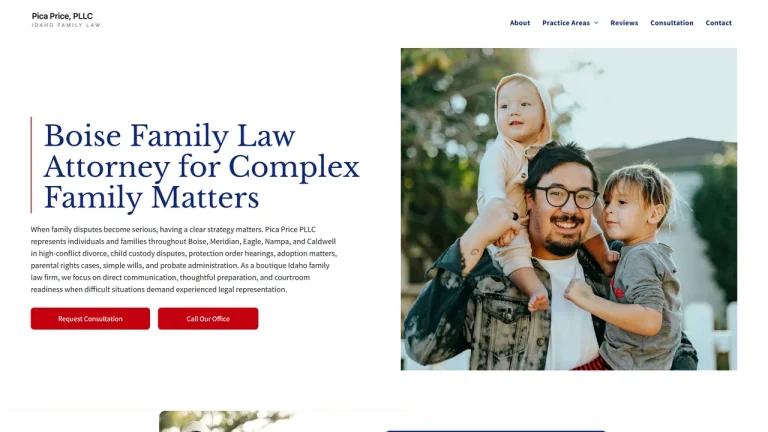
Derek A. Pica, PLLC - Boise, ID

Taylor Law & Mediation PLLC - Boise, ID

Dena Moore Law - Nampa, ID

Riverstone Estate Planning and Probate - Boise, ID

Learned Lawyer PLLC - Boise, ID

Drozda Law Offices, PLLC - Boise, ID

Morris Bower & Haws PLLC - Nampa, ID
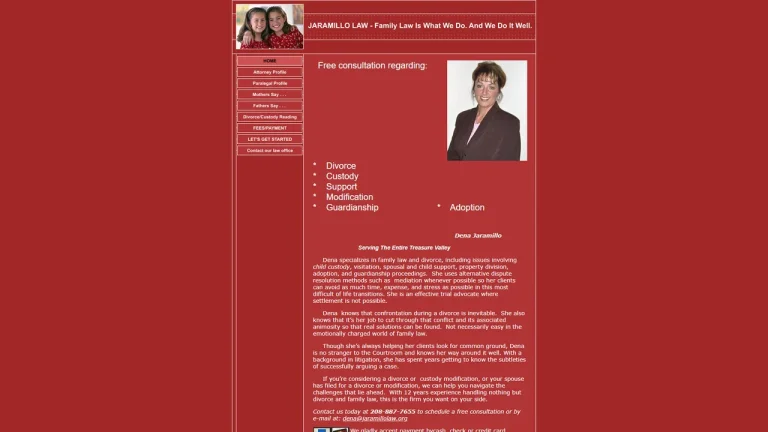
Jaramillo Law Office, PLLC - Meridian, ID
The Boise Law Firm, PLLC - Meridian, ID

Taylor Law Offices, PLLC - Boise, ID

Ketlinski Law Office, PLLC - Meridian, ID

Robert L. Aldridge - Boise, ID

Ascent Law: Shawn Miller - Boise, ID

MSBT Law - Boise, ID
Connie Runia Law - Nampa, ID

Kristoffer Sperry Law, PLLC - Meridian, ID

Ahrens DeAngeli Law Group - Boise, ID

J Eshman Law - Boise, ID

Amber R. Myrick, P.A. - Boise, ID

Miller Law PLLC - Nampa, ID

Richey Law Group PC - Meridian, ID
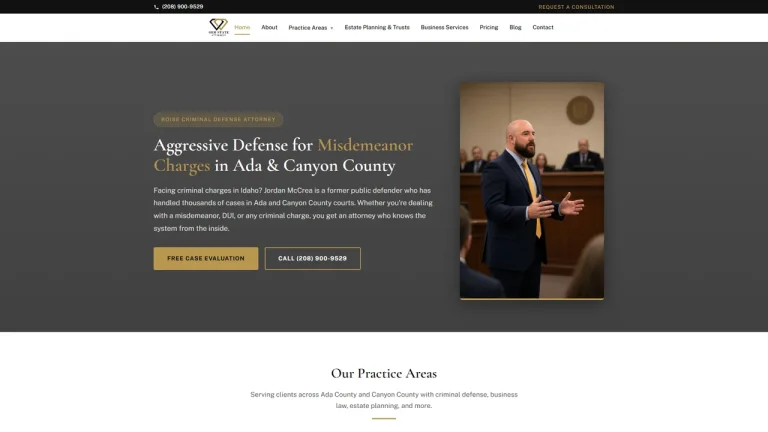
Gem State Attorneys - Meridian, ID

Estate Planning and Probate Administration Across Idaho
Protecting generational wealth, agricultural acreage, and family assets across Idaho requires adherence to the Idaho Uniform Probate Code. Whether managing ranches in Eastern Idaho, commercial assets in Twin Falls, or residential estates in Boise and Coeur d'Alene, proper planning protects decedents' wishes and minimizes estate tax liabilities.
Probate matters in Idaho are handled by the Magistrate Division of the District Court in the county where the decedent resided or held real property, such as Ada, Canyon, Kootenai, or Bonneville counties. Filings are submitted electronically through the iCourt system, where proceedings may follow an informal probate path for uncontested estates or formal supervised administration when disputes arise.
Retaining an attorney in good standing with the Idaho State Bar (ISB) ensures valid execution of testamentary instruments, clear coordination of non-probate transfer assets, and strict adherence to statutory notices to creditors and heirs, preventing costly litigation among beneficiaries.
Idaho Estate Planning and Probate Legal Fee Structures
| Case Scenario | Fee Structure | Estimated Cost (USD) | Key Cost Determinants |
|---|---|---|---|
| Basic Estate Planning Package | Flat Fee | $1,200 - $3,000 | Will drafting, durable power of attorney, living will, healthcare directive customization. |
| Revocable Living Trust Package | Flat Fee | $2,000 - $5,500 | Real property quitclaim deeds, pour-over will, trust funding instructions, community property agreements. |
| Uncontested Informal Probate | Hourly / Flat Fee | $2,500 - $6,000 | Estate asset volume, creditor notice management, inventory preparation, final accounting filings. |
| Contested Will & Trust Litigation | Hourly / Retainer | $10,000 - $40,000+ | Allegations of undue influence, lack of testamentary capacity, fiduciary accounting disputes in District Court. |
Critical Legal Deadlines & Statutes in Idaho
Estate representatives and beneficiaries must observe strict statutory deadlines established under the Idaho Uniform Probate Code. Under Idaho Code § 15-3-108, an informal or formal probate proceeding must generally be initiated within three years of the decedent's death, after which the estate must pass via intestate succession or default title transfers.
Once a personal representative is appointed, they must publish notice to creditors in an approved county newspaper pursuant to Idaho Code § 15-3-801. Creditors have four months from the date of first publication to present claims against the estate; unpresented claims are forever barred under Idaho Code § 15-3-803. Surviving spouses seeking an elective share must file their petition in the court within nine months after the date of death, or within six months after probate opens, pursuant to Idaho Code § 15-2-205. Actions challenging the validity of a will must be initiated within the applicable statutory objection window before the estate administration is finalized.
Small Estate Affidavits vs. Supervised Court Administration
Under Idaho law, the Small Claims Department capped at $5,000 under Idaho Code § 1-2301 cannot administer estates or interpret wills. However, Idaho provides an expedited small estate procedure outside of formal probate. Under Idaho Code § 15-3-1201, if the net value of the decedent's entire estate subject to probate (excluding liens and encumbrances) does not exceed $100,000 and contains no real property, successors may collect personal property thirty days after death using a verified affidavit without court oversight.
When an estate includes real estate, operating farm holdings, business shares, or assets exceeding $100,000, formal or informal probate through the Magistrate Division is mandatory. Retaining a probate lawyer ensures that real property deeds are properly transferred under Idaho Code § 15-3-714, federal and state tax filings are finalized, and personal representatives are insulated from individual breach of fiduciary liability.
Red Flags to Avoid in Idaho Estate Planning and Probate
- Relying on generic online trust mills that fail to convey Idaho real estate deeds into the trust or omit Idaho community property rules under Idaho Code § 32-906.
- Personal representatives distributing estate assets to heirs prior to the expiration of the mandatory four-month creditor notice period.
- Attorneys who charge a flat percentage of the total estate value rather than reasonable hourly rates or task-based flat fees for probate.
- Failing to establish healthcare powers of attorney that conform directly to the Idaho Medical Consent Act under Idaho Code § 39-4510.
Frequently Asked Questions
What makes a will legally valid under Idaho law?
Under Idaho Code § 15-2-502, a valid attested will must be in writing, signed by the testator (or in the testator's name by some other individual in the testator's presence and direction), and signed by at least two individuals who witnessed either the signing or the testator's acknowledgment of the signature. Holographic wills handwritten and signed by the testator are also recognized under Idaho Code § 15-2-503.
How does Idaho community property law impact estate distribution?
Idaho is a community property state under Idaho Code § 32-906. Property acquired during marriage generally belongs equally to both spouses. Upon death, a decedent may only dispose of their 50 percent share of community property and their separate property through a will. Spouses can execute a community property agreement under Idaho Code § 15-6-401 to transfer property directly to the surviving spouse without probate.
What is the difference between informal and formal probate in Idaho?
Informal probate is an expedited administrative proceeding handled by the court registrar without court hearings, utilized when a valid will exists and there are no disputes among beneficiaries. Formal probate requires judicial hearings before a magistrate judge to validate contested wills, resolve creditor disputes, or appoint a personal representative when disputes arise.
How does a revocable living trust avoid probate in Idaho?
A revocable living trust avoids probate because title to real estate, financial accounts, and personal property is retitled in the name of the trust during the grantor's lifetime. Upon the grantor's death, the successor trustee distributes the trust assets directly to the designated beneficiaries according to trust terms without requiring Magistrate Court approval.
What occurs if an Idaho resident dies without leaving a valid will?
When an individual dies intestate in Idaho, their estate passes according to state statutory distribution rules under Idaho Code § 15-2-101. The surviving spouse receives all community property and a statutory share of separate property, with the remainder passing to children, parents, or collateral heirs based on strict statutory priority.