
Business & Real Estate Lawyers in Chicago
Finding an experienced business and real estate lawyer in Chicago protects your commercial interests, ensures regulatory compliance, and mitigates contract risks under Illinois law. Skilled attorneys effectively resolve complex leasing, zoning, and transactional disputes through proactive negotiation, preventing protracted courtroom litigation. Browse our directory below to connect with verified Chicago attorneys for counsel on your enterprise or real estate assets.

Aaron Krolik Law Office, LLC - Chicago, IL

Gekas Law LLP - Chicago, IL

Ivan M. Poullaos - Winston & Strawn LLP - Chicago, IL

Prospect Law LLP - Chicago, IL

The Law Offices of Vladimir A. Uman, P.C. - Chicago, IL

MJK Legal Group - Chicago, IL

The Alliance Law Group, P.C. - Chicago, IL

Dennemeyer & Associates, LLC - Chicago, IL

The Law Center, LLC - Chicago, IL
Law Offices of Elliot Heidelberger - Chicago, IL

Harrison Law LLC - Chicago, IL

Law Office Of Marco A. Rodriguez - Chicago, IL

Gilbert Law Group - Chicago, IL

Law Office Of Dennis J Kellogg - Chicago, IL

Amundsen Davis, LLC - Chicago, IL
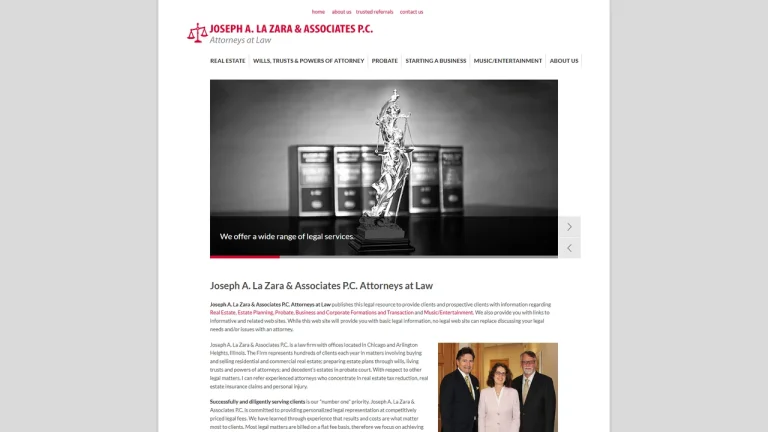
Joseph A La Zara & Associates - Chicago, IL

Law Office of Anastasia M. Poulopoulos, P.C. - Chicago, IL

Worsek and Vihon LLP - Chicago, IL
Thamman Law Office - Chicago, IL
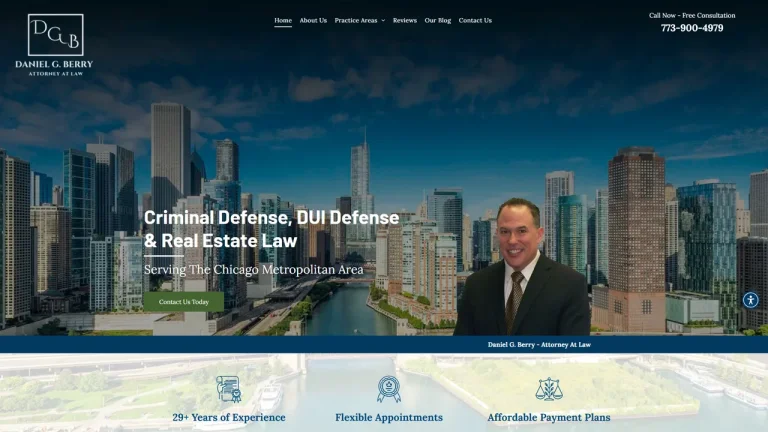
Daniel G. Berry, Attorney at Law - Chicago, IL
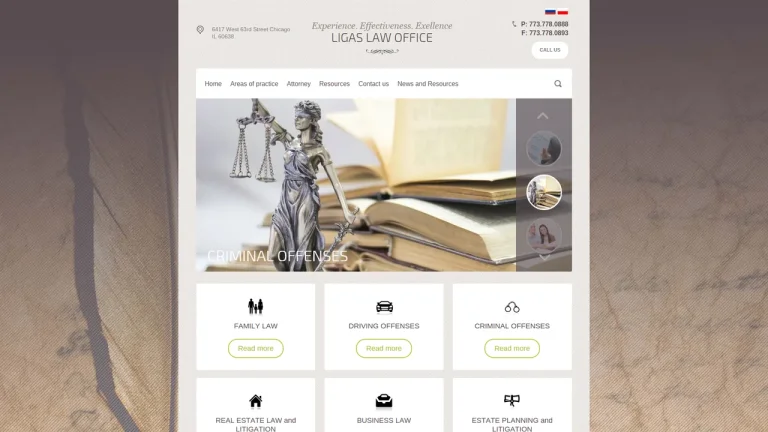
Law Office Of Andrew Ligas - Chicago, IL
Sharon A. Zogas & Associates - Chicago, IL

Stephan Zouras, LLC - Chicago, IL

Commercial Enterprise and Real Property Law in Chicago
Operating a enterprise or managing real property in Chicago requires an in-depth understanding of Illinois statutory mandates and local municipal regulations. From tech startups and retail ventures in the West Loop and River North to major industrial holdings across the South Side, commercial ventures depend on rigorous legal foundations. Business disputes and property litigation across Chicago fall under the jurisdiction of the Circuit Court of Cook County, with major commercial, chancery, and law division actions centered at the Richard J. Daley Center on Washington Street in The Loop.
Chicago real estate transactions involve distinct municipal requirements that separate the city from other jurisdictions. Property transfers, title clearing, and deed recordings must be filed through the Cook County Clerk Recordings Division, following its consolidation with the former Cook County Recorder of Deeds. Furthermore, commercial developments and adaptive-reuse projects must comply with the Chicago Zoning Ordinance, navigating oversight by the Chicago Department of Buildings and the Zoning Board of Appeals to secure required zoning relief and administrative variances.
Engaging a local Chicago attorney is equally vital for corporate formation, shareholder governance, and contract drafting under the Illinois Limited Liability Company Act, codified at 805 ILCS 180/. Whether structuring multi-tiered joint ventures, drafting protective non-compete covenants, or resolving commercial landlord-tenant lease defaults, a dedicated legal advocate protects equity, limits personal liability, and positions commercial ventures for sustainable growth.
Typical Fee Structures for Chicago Business & Real Estate Legal Services
| Case Scenario | Fee Structure | Estimated Cost (USD) | Key Cost Determinants |
|---|---|---|---|
| Entity Formation & Operating Agreement | Flat Fee | $1,500 - $3,500 | Number of equity members, customized buyout provisions, classes of membership units. |
| Commercial Lease Review & Negotiation | Flat Fee / Hourly | $1,800 - $4,200 | Square footage, tenant improvement allowances, common area maintenance audit terms. |
| Commercial Real Estate Acquisition Closing | Flat Fee / Retainer | $4,000 - $9,500 | Title defect clearance with Cook County, environmental phase assessments, survey reviews. |
| Chancery / Partnership Dispute Litigation | Hourly ($375 - $725/hr) | $8,500 - $25,000+ Retainer | Injunction petitions, emergency motions at Daley Center, volume of forensic discovery. |
Critical Legal Deadlines & Statutes in Illinois
Parties executing contracts or acquiring real property in Chicago must observe strict statutory limitations. Under 735 ILCS 5/13-206, claims based on written contracts-including commercial notes, bonds, and written leases-must be commenced within 10 years from the date the cause of action accrued. Conversely, claims based on oral agreements, accounts receivable, or property damage are subject to a five-year statute of limitations under 735 ILCS 5/13-205.
For residential transactions containing commercial elements or mixed-use structures, compliance with disclosure laws is essential. Under 765 ILCS 77/, known as the Illinois Residential Real Property Disclosure Act, any legal action alleging fraudulent or negligent nondisclosure of material defects must be filed within one year from the date the deed is delivered or possession is transferred. Landlords managing residential units must also comply with the Chicago Residential Landlord and Tenant Ordinance, set out in Chicago Municipal Code § 5-12-080, which imposes severe financial penalties if security deposits are not returned or transferred within statutory 45-day windows.
Small Claims Limitations vs. Chancery and Law Division Representation
Under Ill. Sup. Ct. R. 281, the small claims limit in Illinois is strictly capped at $10,000. In Cook County, self-represented parties may bring small debt collection actions in the Municipal Department at the Daley Center. However, small claims court provides no injunctive relief, lacks jurisdiction to quiet title, and cannot order the dissolution of an ongoing business or decree equitable partnership accountings.
Furthermore, under Illinois Supreme Court rules and statutory doctrine codified at 705 ILCS 220/1, corporations and limited liability companies are prohibited from representing themselves pro se in court; an entity must appear through a licensed attorney. Business litigation involving shareholder disputes, commercial evictions, breach of fiduciary duty, or mechanics lien foreclosures must proceed through the Chancery or Law Divisions of the Cook County Circuit Court. Attempting self-help in these complex dockets risks default judgments and the forfeiture of essential commercial assets.
Red Flags When Hiring a Chicago Business & Real Estate Lawyer
- Ignorance of Chicago-Specific Municipal Ordinances: Steer clear of attorneys unfamiliar with the Chicago Municipal Code, particularly strict licensing rules through the Department of Business Affairs and Consumer Protection or the tenant-friendly provisions of the RLTO.
- Unfunded or Incomplete Conveyance Practices: Avoid closing counsel who leaves recording steps unfinished; all deed filings, transfer tax stamps, and water certs must be recorded with the Cook County Clerk to avoid clouded titles.
- One-Size-Fits-All Organizational Documents: Reject practitioners who provide boilerplate operating agreements that fail to address buyout mechanics, tax allocation structures, or deadlock resolution procedures under 805 ILCS 180/.
- Lack of Commercial Litigation Experience at the Daley Center: Ensure your transactional counsel has seasoned trial colleagues; if negotiations deteriorate, your firm must know how to file emergency injunctions before Cook County chancery judges.
Frequently Asked Questions
What is the role of an attorney during a Chicago commercial real estate closing?
A Chicago commercial real estate attorney conducts title and survey examinations, reviews environmental assessments, negotiates loan documentation, ensures compliance with City of Chicago transfer taxes, and oversees the recording of deeds and mortgages with the Cook County Clerk Recordings Division to deliver clear, marketable title.
Why is an operating agreement essential for an Illinois LLC?
While the State of Illinois does not mandate public filing of an operating agreement, executing one is vital under 805 ILCS 180/ to govern internal operations, define voting rights, establish capital call obligations, and prevent statutory default rules from controlling profit splits and member exits.
What court handles business disputes in Chicago?
Business litigation in Chicago is handled by the Circuit Court of Cook County at the Richard J. Daley Center in Downtown Chicago. Claims seeking monetary damages exceed $30,000 proceed in the Law Division (Commercial Calendar), while matters involving fiduciary duties, injunctions, or company dissolutions are heard in the Chancery Division.
What are the penalties for violating the Chicago Residential Landlord and Tenant Ordinance (RLTO)?
Under Chicago Municipal Code § 5-12-080, failure to hold security deposits in insured Illinois banks, commingling funds, or failing to pay annual interest can subject landlords to statutory damages equal to twice the deposit, plus mandatory attorney fees and costs.
Can an LLC owner represent their business in Cook County court without an attorney?
No. Under 705 ILCS 220/1 and established Illinois judicial precedent, corporations and LLCs are artificial legal entities that cannot appear pro se; they must be represented by an attorney licensed by the Illinois Attorney Registration and Disciplinary Commission (ARDC).