
Immigration Lawyers in Chicago
Consulting an experienced Chicago immigration lawyer provides vital legal protection when filing petitions, seeking visas, or defending against deportation. Licensed legal counsel navigates complex administrative procedures, prepares evidence-based waivers, and represents clients before regional USCIS offices and immigration courts. Explore our directory below to schedule an in-depth case review with verified immigration attorneys across Cook County.
Natkin Legal - Chicago, IL
Arruela Law, LLC - Chicago, IL
Law Office of Christine Contreras - Chicago, IL
Law Office of William G. McLean III - Chicago, IL

Kevin J. Boyle - Winston & Strawn LLP - Chicago, IL
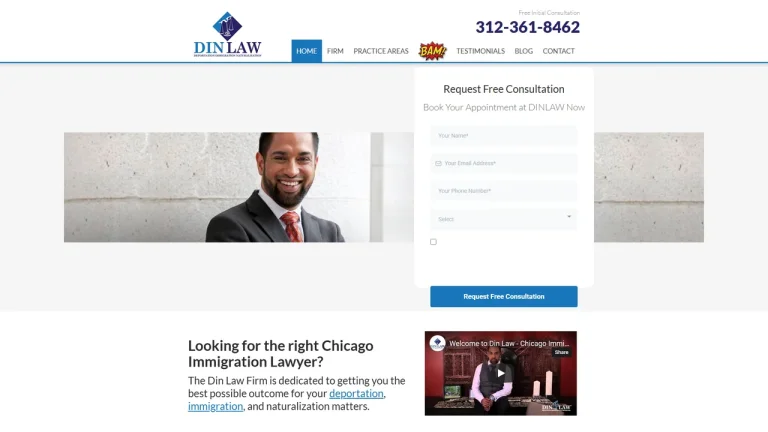
Din Law, LLC - Chicago, IL
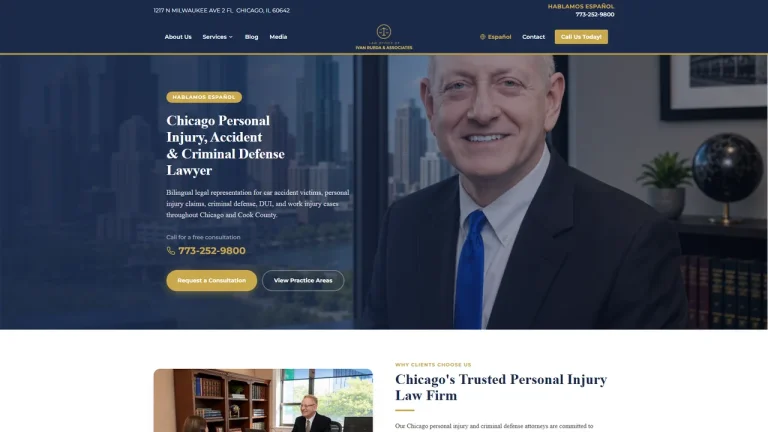
Ivan Rueda & Associates - Chicago, IL
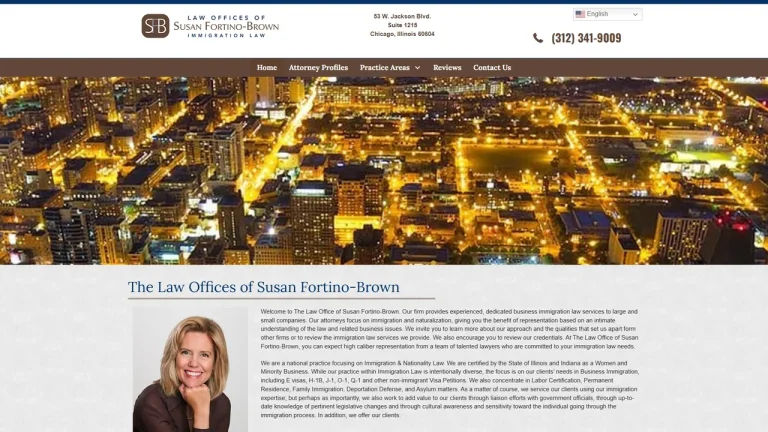
Law Offices Of Susan Fortino-Brown - Chicago, IL

Herrera Law Group - Chicago, IL
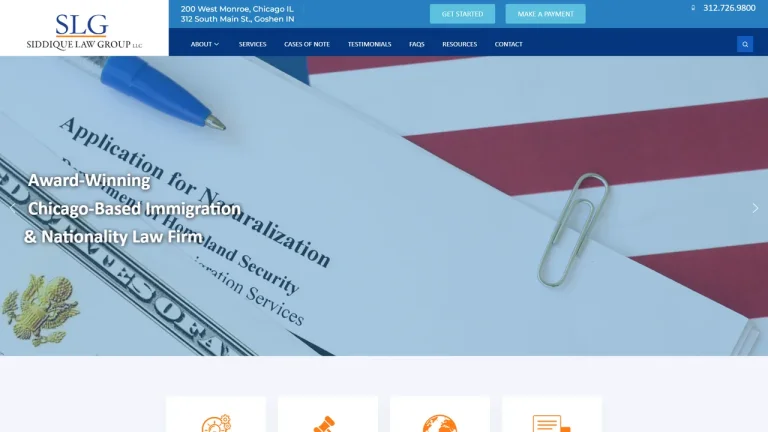
Siddique Law Group, LLC - Chicago, IL
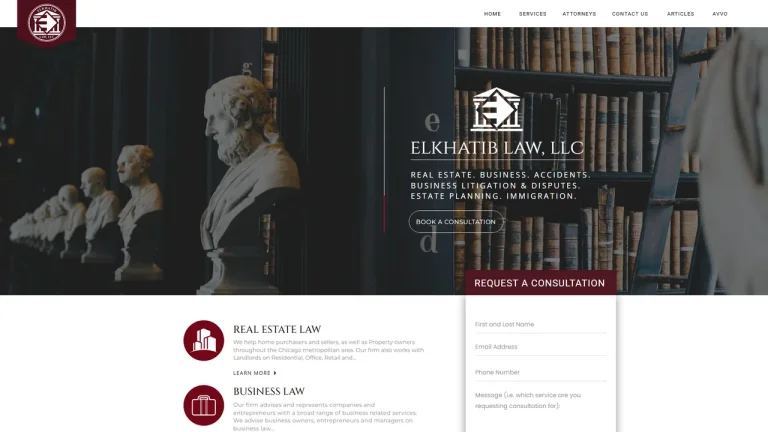
Elkhatib Law - Chicago, IL

Dietrich and Roman, LLC - Chicago, IL

ABC Patent Services LLC - Chicago, IL

Asociados de México - Chicago, IL

Okorie-Eric Law Group LLC - Chicago, IL

Buchmiller Immigration, LLC - Chicago, IL
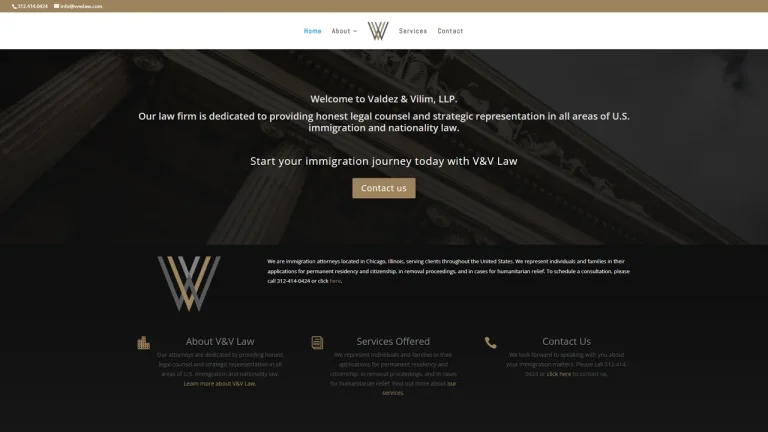
Valdez & Vilim, LLP - Chicago, IL
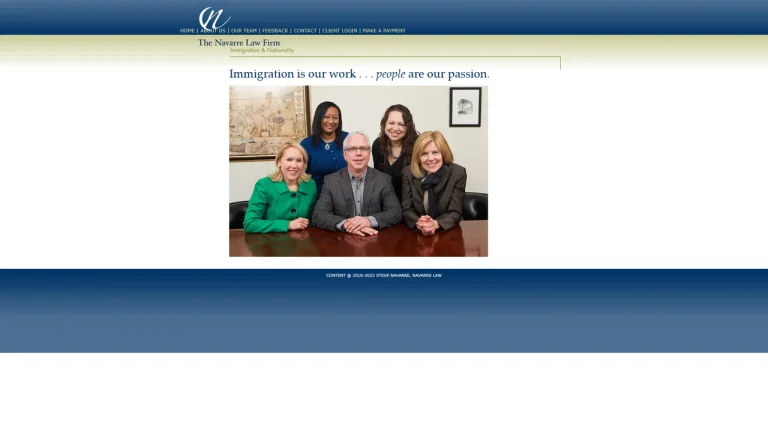
Navarre Law Firm - Chicago, IL
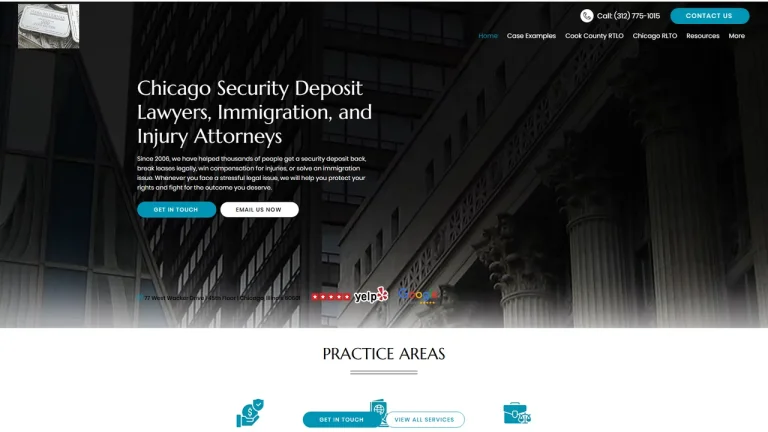
Mark Silverman Law Office Ltd. - Chicago, IL
Law Office of Adriana R. Wilson P.C. - Chicago, IL
Naser Legal, LLC - Chicago, IL
Hacking Immigration Law, LLC - Chicago, IL

Law Offices of Rosalba Pina, P.C. - Chicago, IL
Comprehensive Immigration Legal Counsel in Chicago
Chicago stands as a historical gateway and diverse metropolitan home to immigrant populations from across the globe, with vibrant communities in Pilsen, Little Village, Albany Park, West Ridge, and Chinatown. Navigating the federal immigration system requires precise legal acumen and direct familiarity with regional adjudicative offices throughout Cook County. From family-based adjustment of status and humanitarian asylum to corporate investor and employment petitions, retaining a licensed immigration attorney ensures procedural deadlines and documentation requirements are met.
Immigration proceedings in Chicago are divided between affirmative administrative benefits and defensive deportation litigation. Affirmative visa petitions, naturalization applications, and green card interviews are processed by the U.S. Citizenship and Immigration Services (USCIS) Chicago Field Office located on Ida B. Wells Drive in Downtown Chicago. Conversely, defensive asylum and removal proceedings fall under the Executive Office for Immigration Review (EOIR) at the Chicago Immigration Court located at 525 West Van Buren Street.
Facing an immigration judge or USCIS examiner without competent legal counsel places your family's future and lawful residence at profound risk. Dedicated Chicago immigration attorneys assess grounds of inadmissibility, file defensive motions, and appeal adverse rulings to the Board of Immigration Appeals or the U.S. Court of Appeals for the Seventh Circuit.
Common Fee Structures for Chicago Immigration Legal Representation
| Case Scenario | Fee Structure | Estimated Cost (USD) | Key Cost Determinants |
|---|---|---|---|
| Family Adjustment of Status (Forms I-130 & I-485) | Flat Fee Basis | $2,500 - $5,500 | Lawful inspection status, prior immigration history, affidavit of support complexity, interview attendance |
| Defensive Asylum & Removal Defense (EOIR Court) | Retainer & Stage Milestones | $5,000 - $12,500 | Detention facility status, number of master and individual hearings, expert witness testimony |
| Employment Visas (H-1B, L-1, O-1, PERM / EB-2) | Corporate Flat Fee | $3,500 - $9,500 | Specialty occupation compliance, prevailing wage determinations, response to USCIS Requests for Evidence |
| Naturalization & Citizenship (Form N-400) | Flat Fee Basis | $1,200 - $3,000 | Past Cook County criminal records, continuous physical presence gaps, tax compliance records |
Critical Legal Deadlines & Statutes in Illinois
Federal immigration law imposes rigorous statutory deadlines that can decisively terminate an applicant's ability to remain legally in the United States. Under 8 U.S. Code § 1158, an individual seeking political asylum must formally file Form I-589 within one year of their physical arrival in the country, absent extraordinary circumstances or material changes in country conditions. Missing this statutory deadline restricts the applicant to seeking withholding of removal under 8 U.S. Code § 1231, which imposes a significantly higher evidentiary threshold.
In defensive removal proceedings before the Chicago Immigration Court on West Van Buren Street, failing to appear at a master calendar or individual merits hearing results in an immediate order of removal in absentia under 8 U.S. Code § 1229a. If an immigration judge issues an adverse removal order, a Notice of Appeal (Form EOIR-26) must be received by the Board of Immigration Appeals within 30 calendar days of the decision pursuant to 8 C.F.R. § 1003.38. Additionally, Illinois enforces state-level protections under the Illinois TRUST Act (5 ILCS 805/1), prohibiting local Cook County law enforcement from detaining individuals solely on administrative immigration detainers, while 815 ILCS 505/2AA regulates and penalizes non-attorney immigration consultants.
Administrative Form Filing vs. Retaining Licensed Immigration Counsel
Certain routine immigration procedures may appear manageable for individuals acting pro se through official USCIS online portals. Basic renewals of permanent resident cards (Form I-90) or initial applications for uncomplicated work authorizations (Form I-765) with spotless backgrounds are tasks some applicants complete independently. Meanwhile, the Cook County Circuit Court small claims division, capped at $10,000 under Ill. Sup. Ct. R. 281, holds zero jurisdiction over federal immigration matters, visa approvals, or deportation orders.
Whenever a case involves complexities-such as periods of unlawful presence, prior removal orders, or past criminal arrests in Chicago or Cook County-attempting to self-file without legal counsel carries catastrophic risks. A seemingly benign application can inadvertently reveal an admissibility bar under 8 U.S. Code § 1182, triggering immediate referral to the Chicago Immigration Court for removal proceedings. A licensed immigration lawyer conducts thorough criminal and immigration FOIA background reviews, prepares necessary hardship waivers under 8 U.S. Code § 1182(h), and provides indispensable trial representation before the Executive Office for Immigration Review.
Red Flags to Avoid When Choosing a Chicago Immigration Lawyer
- Using Non-Attorney Notarios or Consultants: In Illinois, a notary public is not authorized to provide legal advice or prepare complex immigration petitions; utilizing non-attorneys violates 815 ILCS 505/2AA and can permanently damage your legal record.
- Guaranteed Approvals or expedited Processing Promises: Discretionary decisions rest exclusively with USCIS and immigration judges; any practitioner guaranteeing approval or claiming secret connections with Chicago federal officials is acting unethically.
- Refusing to Provide Written Fee Retainers: Transparent attorneys provide written engagement agreements detailing total fees, government filing charges, and the exact scope of representation before accepting payment.
- Withholding Copies of Submitted Applications: You are legally entitled to receive complete copies of every petition, supporting evidentiary document, and official USCIS receipt notice submitted on your behalf.
Frequently Asked Questions
What happens if I miss my Chicago Immigration Court hearing date?
If you miss a scheduled hearing at 525 West Van Buren Street, the judge will issue an in absentia removal order under 8 U.S. Code § 1229a. To reopen the case, your attorney must file a formal motion to reopen proving exceptional circumstances or lack of proper statutory notice.
How does an arrest in Cook County affect my immigration status?
Criminal charges can trigger deportability or inadmissibility under federal law, especially offenses classified as crimes involving moral turpitude or aggravated felonies under 8 U.S. Code § 1101(a)(43). An immigration lawyer must evaluate your record before you submit any filing to USCIS.
What is the one-year asylum filing deadline in Illinois?
Under 8 U.S. Code § 1158, you must file Form I-589 within one year of entering the United States. Failure to do so bars asylum relief unless you demonstrate changed country conditions or extraordinary circumstances causing the filing delay.
Can a notary public help me apply for a green card in Chicago?
No. Under Illinois law (815 ILCS 505/2AA), notaries public cannot provide legal counsel, select legal forms, or represent you before USCIS. Only licensed attorneys or accredited representatives recognized by the Department of Justice can provide immigration legal services.
How long does marriage-based green card processing take in Chicago?
Processing times at the USCIS Chicago Field Office generally range between 8 and 16 months depending on case backlog and documentation quality. Working with qualified counsel ensures proper filing and avoids delays caused by Requests for Evidence.