
Bankruptcy Lawyers in Springfield, IL
Overwhelmed by debt in Springfield? Consult experienced bankruptcy lawyers to stop creditor harassment, prevent foreclosure, and obtain financial relief. Dedicated local attorneys navigate complex federal filings, safeguard exempt assets, and negotiate manageable repayment solutions to protect your future. Explore our verified directory below to connect with qualified Springfield bankruptcy attorneys and schedule a confidential evaluation.
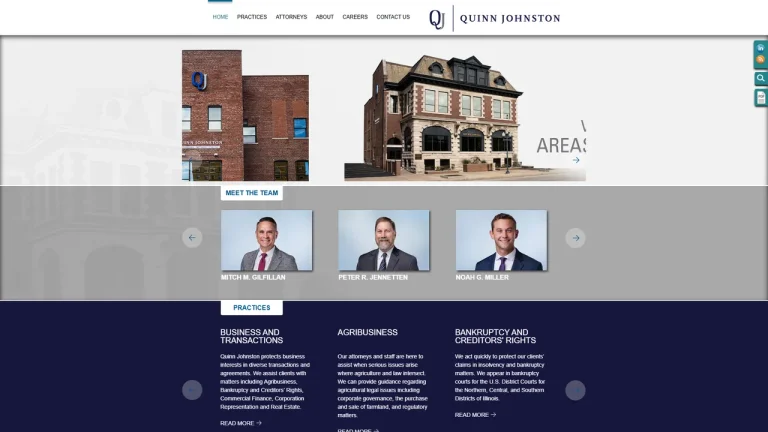
Quinn Johnston - Springfield, IL

Kirby Law Office: Phillip M. Kirby - Springfield, IL

Hinshaw & Culbertson LLP - Springfield, IL

Jackson E. Donley Law Office (JEDLO) - Springfield, IL

Jeana K. Reinbold - Springfield, IL
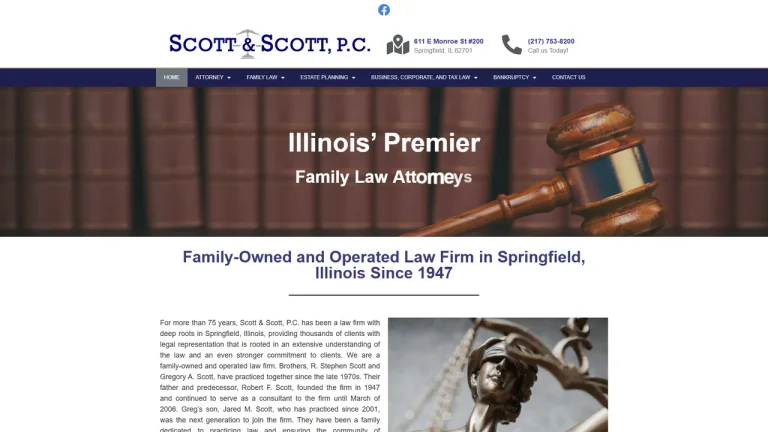
Scott and Scott - Springfield, IL

Robert Barewin, Attorney at Law - Springfield, IL

McWard Law Offices - Springfield, IL

O'Flaherty Law - Springfield, IL
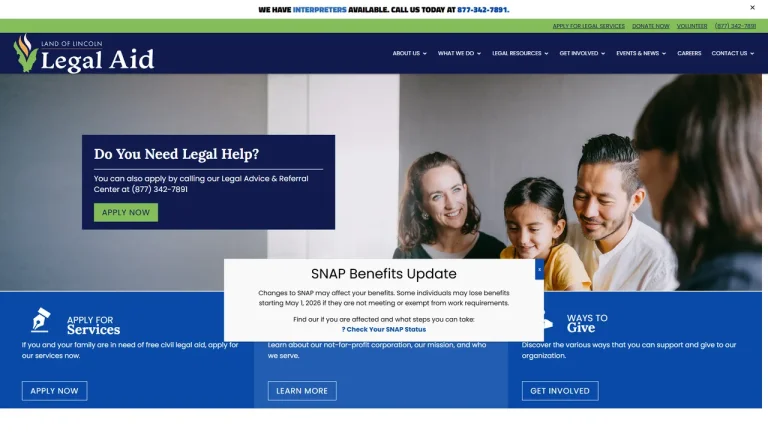
Land of Lincoln Legal Aid - Springfield, IL

Fiscus Law Firm - Springfield, IL

Sgro, Hanrahan, Durr, Rabin & Reinbold, LLP - Springfield, IL
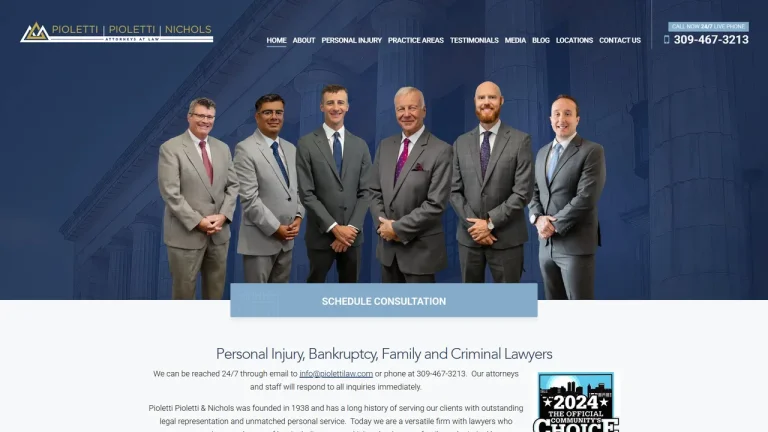
Pioletti Pioletti and Nichols - Springfield, IL
Ostling & Abbott - Springfield, IL

Eric James Homa Law Office PC - Springfield, IL
Federal Bankruptcy Relief in Springfield and Sangamon County
Facing unmanageable debt, impending foreclosure, or vehicle repossession in Springfield creates severe personal anxiety. Filing for bankruptcy provides an immediate legal shield, halting wage garnishments, aggressive creditor lawsuits, and collection calls through the automatic stay provisions of federal law.
Bankruptcy proceedings for Springfield and Sangamon County residents fall under the exclusive jurisdiction of the United States Bankruptcy Court for the Central District of Illinois, Springfield Division. Proceedings take place at the Paul Findley Federal Building and United States Courthouse on East Monroe Street, with all formal petitions, schedules, and proofs of claim submitted via the federal CM/ECF electronic portal.
Local legal representation is essential for navigating local court rules and protecting your possessions. Springfield bankruptcy attorneys maintain ongoing familiarity with local panel trustees and the specific exemption standards required under Illinois state statutory schedules.
Typical Bankruptcy Legal Fees and Case Scenarios
| Case Scenario | Fee Structure | Estimated Cost (USD) | Key Cost Determinants |
|---|---|---|---|
| Chapter 7 Individual Liquidation (Uncontested) | Flat Fee + Federal Court Filing Fee | $1,200 - $2,000 (Plus $338 court filing fee) | Income verification, number of unsecured creditors, passing the Illinois Chapter 7 Means Test. |
| Chapter 13 Debt Reorganization Plan | Court-Approved Flat Fee (Paid via Plan) | $3,500 - $4,500 (Set by Central District standing orders) | Arrearage calculations, mortgage cure terms, 3- to 5-year repayment plan administration. |
| Adversary Proceedings & Trustee Objections | Hourly Fee / Retainer | $250 - $400 per hour | Allegations of preferential transfers, fraud defense, disputed dischargeability of specific debts. |
| Emergency Petition to Halt Foreclosure or Garnishment | Flat Fee (Expedited Filing) | $1,500 - $2,500 (Including expedited document prep) | Immediacy of Sangamon County Sheriff sale date, wage garnishment summons response deadlines. |
Critical Legal Deadlines & Statutes in Illinois
Under 11 U.S. Code § 362, filing a bankruptcy petition triggers the automatic stay, immediately enjoining all creditor collection actions, civil litigation in the 7th Judicial Circuit Court of Sangamon County, and administrative wage withholding.
Illinois is an opt-out state under 735 ILCS 5/12-1201, meaning Springfield debtors must utilize Illinois state statutory exemptions rather than federal bankruptcy exemptions to protect their property.
To safeguard a primary residence, debtors rely on 735 ILCS 5/12-901, which provides a homestead exemption of up to $15,000 for an individual or $30,000 for married couples filing jointly. Personal property is protected under 735 ILCS 5/12-1001, which includes a $4,000 wildcard exemption per person for any personal property, up to $2,400 in vehicle equity, and 100 percent of qualified retirement accounts and pensions. Eligibility for Chapter 7 liquidation is strictly regulated by the Means Test under 11 U.S. Code § 707(b), which evaluates average household income against the Illinois median income benchmark.
Small Claims Limits vs. Professional Bankruptcy Representation
Under Ill. Sup. Ct. R. 281, small claims actions in the 7th Judicial Circuit Court of Sangamon County handle civil debt disputes up to $10,000. While a debtor can defend against a minor consumer debt or medical bill in small claims court without an attorney, small claims judgments can swiftly lead to citations to discover assets, bank account freezes, and wage deductions under 735 ILCS 5/12-803.
Small claims courts have no authority to discharge debt or modify loan terms. Attempting to file pro se in federal bankruptcy court exposes filers to substantial risks, including improper application of Illinois statutory exemptions, trustee turnover demands, or outright case dismissal. A dedicated Springfield bankruptcy lawyer reviews your entire financial portfolio, applies statutory exemptions to insulate real and personal assets, and ensures you obtain a clean financial fresh start.
Selecting Qualified Counsel: Critical Red Flags
Protect your assets and future by remaining alert to these warning signs when choosing a bankruptcy lawyer in Springfield:
- Non-Attorney Petition Preparers: Avoid unlicensed typing services or petition preparers who cannot represent you in court, provide legal counsel, or defend your exemptions before the Central District trustee.
- Promising Complete Asset Protection Without Means Analysis: Steer clear of firms that guarantee debt discharge without conducting a thorough analysis under 11 U.S. Code § 707(b).
- Pressure to Incur Debt Before Filing: Beware of any advisor instructing you to max out credit cards, transfer real estate to family members, or take cash advances prior to filing, which constitutes bankruptcy fraud.
- Hidden Ancillary Fees: Ensure your fee agreement clearly states whether credit counseling courses, credit report retrieval, and post-filing amendment fees are included in the quoted flat fee.
Frequently Asked Questions
Can bankruptcy stop a wage garnishment in Springfield, IL?
Yes. The moment your bankruptcy petition is filed with the Central District of Illinois, the automatic stay under 11 U.S. Code § 362 immediately prohibits creditors and employers from continuing wage deductions, bank account freezes, and pending civil lawsuits.
Will I lose my home if I file for bankruptcy in Sangamon County?
Not necessarily. Under 735 ILCS 5/12-901, Illinois provides a homestead exemption of up to $15,000 for an individual and $30,000 for a married couple. If your home equity is within these limits and you remain current on payments, you can retain your residence under Chapter 7 or cure arrears under Chapter 13.
What is the difference between Chapter 7 and Chapter 13 bankruptcy in Illinois?
Chapter 7 liquidates non-exempt assets to eliminate qualifying unsecured debts within three to four months. Chapter 13 restructures debts into a court-supervised three- to five-year repayment plan, permitting debtors to catch up on delinquent mortgages and keep non-exempt property.
Can back taxes be discharged through bankruptcy in Illinois?
Income taxes may be dischargeable under Chapter 7 if the tax return was due at least three years prior to filing, was filed at least two years prior, and the tax was assessed at least 240 days before filing, provided there was no fraud or willful evasion.
Where will my Meeting of Creditors (341 meeting) take place?
For Springfield residents, the Section 341 Meeting of Creditors is overseen by the Office of the U.S. Trustee for the Central District of Illinois. Most meetings are conducted remotely via teleconference or secure video conference, though some proceedings may be scheduled at the Paul Findley Federal Building in Springfield.