
Motorcycle Accident Lawyers in Indiana
Connect with experienced Indiana motorcycle accident lawyers to secure maximum compensation for severe injuries, surgical treatments, and bike replacement costs. Skilled personal injury counsel fights insurer bias, establishes driver liability under Indiana comparative fault rules, and negotiates full settlements. Search our verified statewide directory below to arrange a free case consultation with trusted Indiana advocates.

Hensley Legal Group, PC - Evansville, IN

Robert W. McNevin Attorney at Law - Indianapolis, IN

Jeffrey O. Meunier, Attorney at Law - Carmel, IN

Glaser & Ebbs - Fort Wayne, IN

Attorney Bryan Cook Law Office - Carmel, IN
Rob King & Associates, Trial Lawyers Indianapolis - Indianapolis, IN

Cloutier Law Offices, P.C. - South Bend, IN
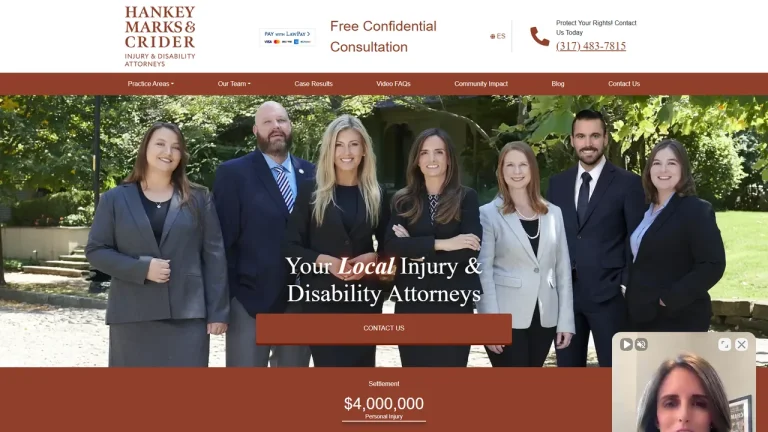
Hankey Marks and Crider - Indianapolis, IN

Hensley Legal Group, PC - Fishers, IN
The Cline Law Firm - Carmel, IN
Schuerger Shunnarah Trial Attorneys - Indianapolis, IN
Wagner Reese, LLP - Carmel, IN
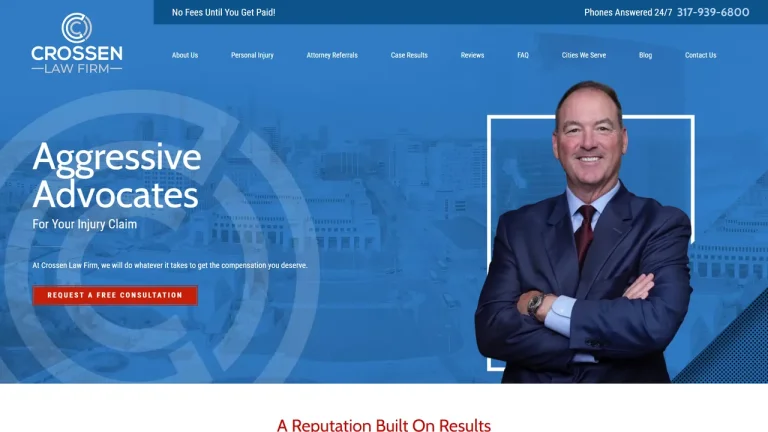
Crossen Law Firm - Indianapolis, IN

Yosha Law, Injury & Accident Lawyers - Indianapolis, IN
Dennis, Wenger & Abrell, P.C. - Carmel, IN

Pavlack Law, LLC - Indianapolis, IN
Wruck Paupore PC Injury Lawyers - South Bend, IN
Rich Cook Law - Indianapolis, IN
Kelly Law Offices - South Bend, IN

Collins & Associates - Evansville, IN

Wilson & Kinsman, LLC - South Bend, IN

Ward & Ward Personal Injury Lawyers - Indianapolis, IN
Havel Law Office, PC - Fishers, IN

Motorcycle Collision Claims in Indiana Circuit and Superior Courts
Motorcyclists injured on Indiana roadways face distinct legal hurdles stemming from severe collision trauma and pervasive insurance carrier prejudice. When passenger vehicle drivers fail to yield, make improper left turns, or operate distracted along state corridors such as I-65, I-69, I-70, I-465, and US-31, personal injury litigation is brought within Indiana's trial courts. Civil lawsuits are adjudicated in the Circuit and Superior Courts across Indiana's ninety-two counties, including the Marion County Superior Court in Indianapolis, the Lake County Superior Court in Crown Point, the Allen County Superior Court in Fort Wayne, and the Vanderburgh County Superior Court in Evansville.
All formal complaints, discovery motions, and pretrial pleadings are filed electronically through the Indiana Courts Odyssey case management system. Attorneys representing injured motorcyclists must be admitted to practice by the Indiana Supreme Court and abide by the professional standards established by the Indiana State Bar Association (ISBA). Proving liability in motorcycle collisions requires deep technical knowledge of vehicle dynamics, black box data, and scene reconstruction to counter common insurance claims that the motorcyclist was speeding or driving recklessly.
Retaining dedicated Indiana motorcycle injury counsel levels the playing field against aggressive insurance claims adjusters. Experienced attorneys immediately dispatch accident investigators to inspect vehicle damage, retrieve traffic camera footage, consult with treating trauma surgeons, and build a compelling settlement demand that addresses lifelong medical care and lost earning capacity without unnecessary court delays.
Indiana Motorcycle Accident Legal Fee Structures & Claim Costs
| Case Scenario | Fee Structure | Estimated Cost (USD) | Key Cost Determinants |
|---|---|---|---|
| Road Rash & Closed Bone Fractures (Pre-Trial Settlement) | Contingency Fee (33.3% of recovery) | $0 Upfront ($2,500 - $7,500 advanced costs) | Emergency room billing records, physical therapy notes, clear driver traffic citations, policy limit caps. |
| Traumatic Brain Injury (TBI) or Spinal Cord Trauma | Contingency Fee (33.3% - 40%) | $0 Upfront ($15,000 - $45,000 advanced costs) | Life-care plan projections, neurological expert witnesses, commercial or umbrella liability coverage limits. |
| Contested Comparative Fault Intersection Collision | Contingency Fee (33.3% - 40%) | $0 Upfront ($10,000 - $35,000 advanced costs) | Accident reconstruction engineering, traffic light sequencing analysis, dispute under Indiana 51% fault bar. |
| Full Superior Court Jury Trial Litigation | Contingency Fee (40% of verdict) | $0 Upfront ($30,000 - $85,000+ advanced costs) | Multi-day jury trial duration, courtroom visual exhibits, vocational rehabilitation and economic modeling. |
Critical Legal Deadlines & Statutes in Indiana
Motorcycle accident claims in Indiana are governed by precise statutory limitation periods. Under Ind. Code § 34-11-2-4, an action for injury to person or personal property must be commenced within two years after the date of the crash. Failing to file a complaint in Circuit or Superior Court within this two-year statutory window forever bars the motorcyclist from recovering financial compensation.
Indiana evaluates personal injury damages under the Indiana Comparative Fault Act, codified at Ind. Code § 34-51-2-6. Under this modified comparative fault system, an injured rider is barred from recovery if their contributory fault exceeds 50% (the 51% bar rule). If the rider's fault is 50% or less, their recovery is reduced proportionally. Regarding safety equipment, Ind. Code § 9-19-7-1 mandates protective headgear and eye protection only for motorcycle operators and passengers under eighteen years of age or those operating on an instructional permit; adult riders are not statutorily mandated to wear helmets, and evidence of helmet non-use is inadmissible to establish comparative fault. Riding between lanes of traffic is explicitly prohibited under Ind. Code § 9-21-8-38.5, and operators must possess a valid motorcycle endorsement pursuant to Ind. Code § 9-24-8-2. If road design flaws or INDOT maintenance negligence contributed to the crash, a notice of tort claim must be served within 270 days under Ind. Code § 34-13-3-6.
Small Claims Limitations vs. Circuit and Superior Court Actions
Under Ind. Code § 33-29-2-4, Indiana Small Claims Dockets operate with a maximum recovery ceiling of $10,000. While small claims courts provide a streamlined forum for minor property disputes, they are entirely inappropriate for motorcycle collision injuries.
The impact forces in motorcycle accidents routinely produce complex fractures, neurological injuries, and extensive surgeries that result in medical bills far exceeding $10,000 within hours of arrival at a trauma center. Attempting to pursue an injury claim pro se in Small Claims forces the injured rider to forfeit all damages exceeding the $10,000 statutory cap. Furthermore, unrepresented claimants lack the procedural resources to combat corporate insurance defense attorneys who routinely attempt to shift blame to the rider under Indiana's 51% fault rule. Retaining seasoned personal injury counsel in Circuit or Superior Court ensures complete presentation of medical damages, preservation of electronic vehicle data, and pursuit of all available policy limits.
Red Flags to Avoid When Selecting an Indiana Motorcycle Accident Lawyer
- Attorneys who allow insurance adjusters to argue that lack of a helmet constitutes comparative negligence, ignoring Indiana statutory protections for adult riders.
- Law firms that charge upfront retainers or out-of-pocket administrative fees instead of handling personal injury claims on a contingency fee basis.
- Firms lacking trial experience in Indiana Superior and Circuit Courts, relying solely on quick, discounted pre-suit settlements.
- Failure to issue immediate spoliation notices to preserve municipal traffic camera footage, nearby business security video, or vehicle event data recorders.
Frequently Asked Questions
Does not wearing a helmet hurt my motorcycle accident claim in Indiana?
No. Under Ind. Code § 9-19-7-1, helmets are required only for riders under eighteen years of age or operating with a learner's permit. In Indiana civil trials, the defense cannot introduce evidence of an adult rider's failure to wear a helmet to prove comparative fault or failure to mitigate damages.
How long do I have to file a motorcycle crash lawsuit in Indiana?
Pursuant to Ind. Code § 34-11-2-4, the statute of limitations for personal injuries arising from a motorcycle accident is two years from the exact date of the collision.
How does comparative fault work in Indiana motorcycle accidents?
Under Indiana's Comparative Fault Act (Ind. Code § 34-51-2-6), an injured motorcyclist can recover damages as long as their fault does not exceed 50%. Total compensation is reduced proportionally by the rider's fault percentage, but fault of 51% or higher bars all recovery.
Is lane splitting legal in Indiana?
No. Operating a motorcycle between lanes of traffic or between adjacent lines of vehicles is strictly unlawful under Ind. Code § 9-21-8-38.5, and engaging in lane splitting can be raised by insurers as evidence of comparative fault.
How are legal fees structured in Indiana motorcycle accident cases?
Indiana personal injury attorneys handle motorcycle accident cases on a contingency fee agreement. Clients pay no upfront retainers or expenses; attorney fees are collected as a predetermined percentage of the final insurance settlement or court verdict only if recovery is secured.