
Criminal Defense Lawyers in Kansas
Hiring an aggressive Kansas criminal defense lawyer protects your constitutional liberties and future against severe state sentencing guidelines grid penalties. Dedicated local defense attorneys contest unlawful searches, negotiate diversion agreements, and advocate vigorously in preliminary hearings and jury trials. Browse our statewide directory below to schedule an urgent case review with a Kansas defense lawyer.

Carl E. Cornwell - Olathe, KS

Brian Charles Paden - Olathe, KS

Braun Law Topeka, KS

Gyllenborg & Brown, P.A. - Overland Park, KS

Stolte Law, LLC - Overland Park, KS

Eric Kidwell Attorney and Counselor at Law - Wichita, KS
Nika Cummings, Attorney at Law - Wichita, KS

KC Traffic Lawyer - Overland Park, KS
Law Office of Zane Todd - Olathe, KS

Beck & Gunn Law Office, LLC - Topeka, KS
Norton Hare, L.L.C. - Overland Park, KS
The Law Office of Michael J. Studtmann - Wichita, KS
The Offices Of James T. McIntyre - Wichita, KS

Henderson Legal Defense, LLC - Overland Park, KS

Neighbors Law Office - Overland Park, KS
Works & Works - Topeka, KS
Law Office of Michael a. Millett, P.A. - Overland Park, KS
Eric Kjorlie - Topeka, KS

Snyder & Snyder - Topeka, KS
The Law Office of Matthew R Williams - Topeka, KS
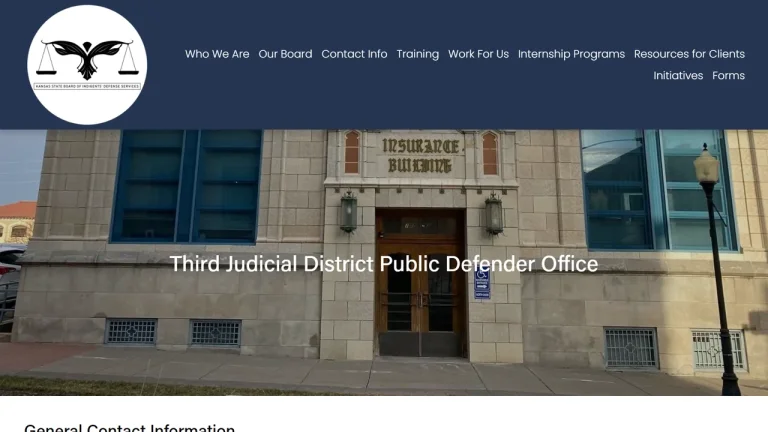
Shawnee County Public Defender - Topeka, KS
KC Ticket Guy - Overland Park, KS
James R. Pratt Attorney - Wichita, KS

Kansas Criminal Justice System & District Court Practice
Facing criminal allegations in the State of Kansas exposes an accused individual to aggressive prosecutorial tactics and life-altering statutory penalties. Whether charged with an offense in the populous urban jurisdictions of Johnson County (Olathe), Sedgwick County (Wichita), Shawnee County (Topeka), or Wyandotte County (Kansas City), or within regional district courts across the state, navigating the criminal justice system requires sophisticated trial advocacy.
Criminal matters in Kansas originate in county District Courts or municipal courts for local city ordinance violations. Felony prosecutions require preliminary examinations where the state must establish probable cause before a district judge bound by the Kansas Code of Criminal Procedure. Pleadings, motions to suppress evidence, and appearance entries are filed via the Kansas Courts eFiling system. Retaining an attorney admitted to the Kansas Bar Association ensures your defense team possesses direct familiarity with local prosecutors, district judges, and county jury pools.
From the moment an arrest occurs, criminal defense counsel plays an essential role in securing reasonable bail, examining police body camera footage, and challenging warrantless searches under the Fourth Amendment and Section 15 of the Kansas Constitution Bill of Rights. Experienced counsel routinely identifies evidentiary weaknesses to negotiate pre-trial diversion agreements or fight for complete charge acquittals at trial.
Kansas Criminal Defense Legal Fees & Representation Tiers
| Case Scenario | Fee Structure | Estimated Cost (USD) | Key Cost Determinants |
|---|---|---|---|
| Misdemeanor Defense (DUI, Battery, Theft) | Flat Legal Fee | $2,000 - $5,000 | Municipal vs. District Court, diversion application, breathalyzer calibration challenges, pre-trial hearings. |
| Non-Person / Property Felony (Grid Levels 7-10) | Flat Fee / Staged Retainer | $4,500 - $10,000 | Preliminary examination litigation, criminal history score verification, restitution negotiations. |
| High-Severity Person Felony (Grid Levels 1-4) | Comprehensive Retainer | $15,000 - $50,000+ | Forensic DNA / ballistics expert retainers, constitutional suppression hearings, multi-day jury trial. |
| Pretrial Detention & Bond Reduction Motion | Flat Legal Fee | $1,500 - $3,500 | Emergency bond review petition, flight risk rebuttal, house arrest / electronic monitoring proposals. |
Critical Legal Deadlines & Statutes in Kansas
Substantive criminal offenses and sentencing parameters in Kansas are codified within the Kansas Criminal Code under Chapter 21 of the Kansas Statutes Annotated. Felony sentencing is strictly governed by the Kansas Sentencing Guidelines Grid. Under K.S.A. § 21-6804 for non-drug crimes and K.S.A. § 21-6805 for drug crimes, penalties are determined by a two-dimensional grid combining the severity level of the crime (ranging from Level 1 down to Level 10) with the offender criminal history score (ranging from Category A for multiple person felonies down to Category I for no prior record). The intersection on the grid dictates whether the sentence is presumptive prison or presumptive probation.
Timing is critical in criminal proceedings under the Kansas statutory speedy trial rule codified at K.S.A. § 22-3402. If a defendant is held in custody solely on the pending charge, the state must bring the accused to trial within 150 days following arraignment. If the defendant is released on appearance bond, the state must commence trial within 180 days after arraignment. Missing these statutory speedy trial limits requires the court to dismiss the charges with prejudice, barring further prosecution.
Statutes of limitations for commencing criminal actions are set forth in K.S.A. § 21-5107. While homicide offenses carry no statute of limitations and can be prosecuted at any time, most felony offenses must be charged within five years of commission, while misdemeanor offenses must be commenced within two years. For defendants seeking to clear their public record following successful probation or diversion, K.S.A. § 21-6614 outlines the statutory waiting periods and eligibility criteria for criminal record expungement.
Pro Se Ineffectiveness vs. Criminal Defense Representation
Under K.S.A. § 61-2703, the Small Claims Procedure Act is capped at $4,000 and has no authority over criminal matters. In District Court criminal proceedings, attempting self-representation is extraordinarily hazardous. The Kansas Sentencing Guidelines are mathematical and rigid; an unrepresented defendant often fails to understand how minor prior misdemeanor convictions can be aggregated into a person felony score, inadvertently landing them in a presumptive prison grid box under K.S.A. § 21-6804.
Professional defense counsel provides critical protection against prosecutorial overreach. An attorney conducts cross-examinations at the preliminary hearing, identifies procedural errors in search warrant affidavits, challenges illegal vehicle stops, and negotiates formal diversion agreements that preserve clean records. In felony matters carrying mandatory minimum prison terms, seasoned courtroom advocacy is vital to petitioning the judge for a dispositional or durational departure from the sentencing grid.
Red Flags to Avoid When Selecting a Kansas Defense Lawyer
- Promising Guaranteed Dismissals or Acquittals: Any attorney promising a specific verdict or outcome violates the Kansas Rules of Professional Conduct; criminal outcomes depend strictly on evidence and judicial rulings.
- Failing to Calculate Criminal History Scores Early: A lawyer must analyze your prior record under K.S.A. § 21-6804 immediately to determine whether your charge falls into a presumptive prison grid box.
- Overlooking the 150/180-Day Speedy Trial Deadlines: Incompetent counsel can inadvertently waive your statutory speedy trial rights under K.S.A. § 22-3402 by requesting unnecessary continuances.
- Lack of Felony Trial Experience: Ensure your attorney has demonstrated experience defending cases at preliminary examinations and before felony juries in Kansas District Courts.
Frequently Asked Questions
How does the Kansas Sentencing Guidelines Grid work?
Under K.S.A. § 21-6804 and K.S.A. § 21-6805, judges determine sentences by cross-referencing the crime severity level with the defendant criminal history score, placing the defendant in either a presumptive prison or presumptive probation box.
What is the speedy trial deadline in Kansas?
Under K.S.A. § 22-3402, defendants held in jail must be brought to trial within 150 days of arraignment. If released on bond, trial must commence within 180 days, excluding delays requested by the defense.
Can a first-time felony charge be diverted in Kansas?
Many Kansas counties offer pre-trial diversion programs for eligible non-violent property or drug offenses. If granted diversion and all terms are completed, the prosecutor dismisses the charges without a conviction.
What is a preliminary examination in a Kansas felony case?
A preliminary examination is a formal evidentiary hearing where the prosecutor must present evidence establishing probable cause that a felony occurred and that the defendant committed it before the case proceeds to arraignment.
When can a criminal record be expunged in Kansas?
Pursuant to K.S.A. § 21-6614, eligible individuals may petition the court for expungement three to five years after completing probation or parole, depending on the severity of the offense.