
Debt Relief Lawyers in Kansas
Overcoming severe financial hardship in Kansas requires knowledgeable debt relief counsel to halt creditor harassment and navigate federal bankruptcy statutes. An experienced Kansas attorney can negotiate out-of-court debt settlements or utilize state exemptions to protect your home and vehicle. Explore our verified statewide directory below to connect with qualified legal professionals.

Chris W. Steffens, Attorney At Law - Overland Park, KS

Troy A. Berberick - Topeka, KS
Gary E. Hinck, P.A. - Wichita, KS

W M Law Olathe Office - KS
Joe G. English, JD, CPA, Attorney-at-Law - Wichita, KS
Kansas Legal Services - Wichita, KS

Wiesner and Frackowiak, LC - Overland Park, KS

Garrett Law LLC - Topeka, KS
Stumbo Hanson, LLP, Topeka, KS
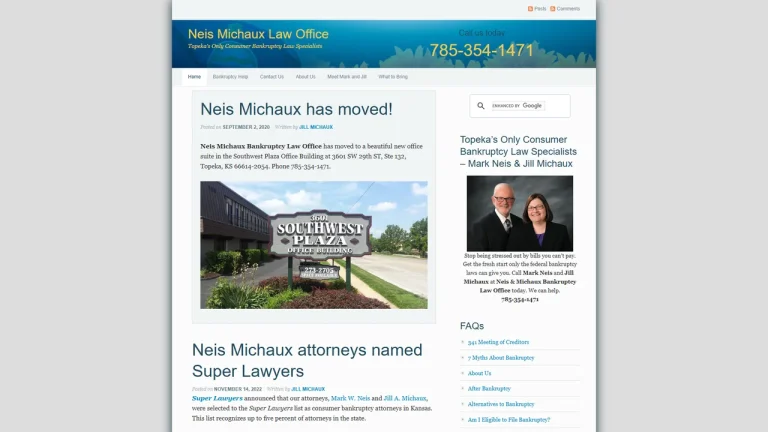
Neis Michaux Law Office - Topeka, KS

Steinwart Law Office, LLC - Overland Park, KS
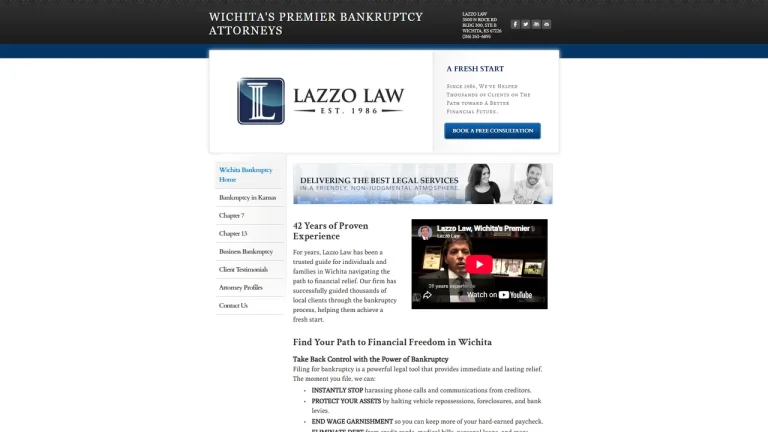
Lazzo Law - Wichita, KS
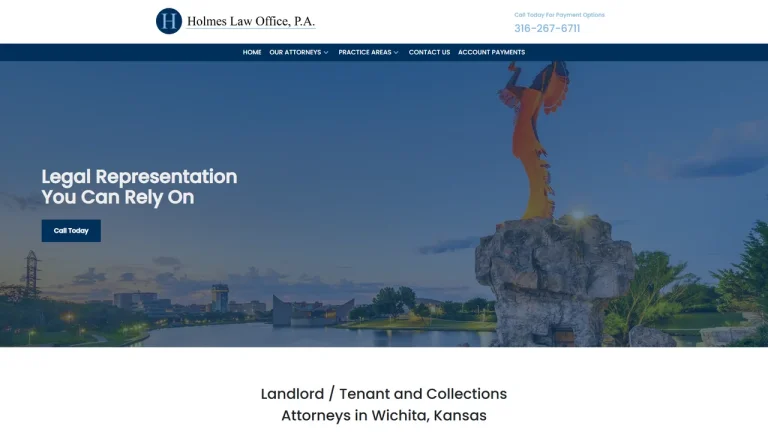
Holmes Law Office, P.A. - Wichita, KS
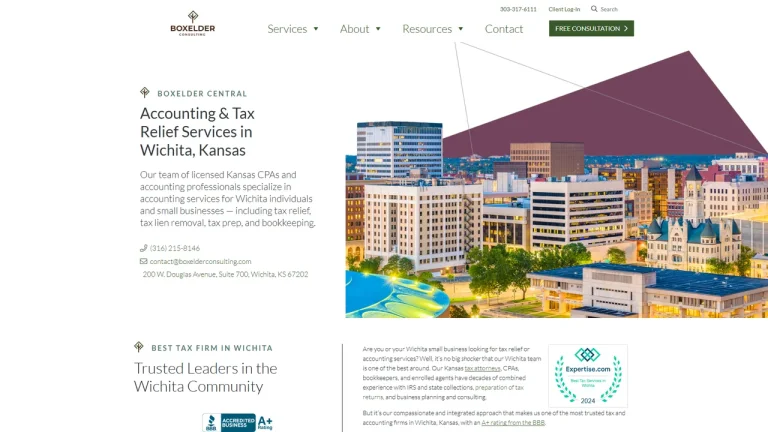
Boxelder Consulting - Wichita, KS

Eric W. Lomas, Bankruptcy Attorney - Wichita, KS
Fresh Start Legal Solutions, LLC - Wichita, KS

Riley Don W - Wichita, KS
Gary E. Hinck P.A. - Topeka, KS

Moore Law Center - Olathe, KS
Sarah Newell Attorney - Wichita, KS
Coons and Crump - Topeka, KS
Skinner Law, LLC - Olathe, KS
Cary L Standiferd, Attorney At Law, Topeka, KS
Navigating Debt Relief and Bankruptcy Law Across Kansas
Managing severe consumer debt or commercial insolvency in the State of Kansas requires a strategic approach combining federal bankruptcy protections with state debtor safeguards. Whether facing foreclosure in Johnson or Sedgwick counties, wage garnishment in Wyandotte County, or mounting medical liabilities in Shawnee County, individuals and businesses have established legal remedies to restructure or eliminate their debt.
Formal bankruptcy petitions fall under the exclusive jurisdiction of the United States Bankruptcy Court for the District of Kansas, which maintains divisional clerk offices and hearing locations in Wichita, Topeka, and Kansas City. Concurrent debt collection lawsuits and judgment enforcement actions proceed in the Kansas District Courts across the state's 31 judicial districts, with case dockets and judgment records managed through the Kansas Courts eFiling system.
Engaging an attorney admitted to practice before the U.S. District Court for the District of Kansas and the Kansas Supreme Court is vital. Because Kansas has chosen to opt out of the federal bankruptcy exemption scheme, experienced legal counsel is essential to properly apply Kansas statutory exemptions, invoke the automatic stay under federal law, and prevent the loss of exempt personal and real property.
Kansas Debt Relief Legal Fee Structures
| Case Scenario | Fee Structure | Estimated Cost (USD) | Key Cost Determinants |
|---|---|---|---|
| Chapter 7 Liquidation Bankruptcy | Flat Fee | $1,200 - $2,500 | Means test complexity, state exemption asset scheduling, meeting of creditors appearance, and debtor education audits. |
| Chapter 13 Debt Reorganization Plan | Court-Approved Flat Fee | $3,500 - $4,500 | Three- to five-year plan drafting, curing mortgage arrears, vehicle loan cramdowns, and standing trustee negotiations. |
| Out-of-Court Debt Settlement & Workout | Retainer or Percentage | $1,500 - $4,000 | Number of unsecured creditors, total outstanding balance, lump-sum settlement funds, and 1099-C tax liability analysis. |
| State Court Debt Defense & Garnishment Hearing | Hourly or Flat Fee | $1,000 - $3,000 | Challenging debt buyer standing, statute of limitations defenses, bank levy releases, and wage exemption filings. |
Critical Legal Deadlines & Statutes in Kansas
Debt relief in Kansas is heavily governed by state-specific exemption rules. Pursuant to K.S.A. § 60-2312, Kansas has opted out of the federal bankruptcy exemptions, requiring debtors filing in Kansas to utilize state statutory protections. The Kansas homestead exemption, codified at K.S.A. § 60-2301, is among the most protective in the nation, offering unlimited equity protection on a residence situated on up to 160 acres of farming land or one acre within an incorporated town or city.
Personal property exemptions are regulated under K.S.A. § 60-2304, which allows debtors to protect household goods, one motor vehicle up to an equity value of $20,000, and tools of the trade up to $7,500. For working individuals facing debt collection, wage garnishment is restricted under K.S.A. § 60-2310 to a maximum of 25% of disposable weekly earnings, or the amount by which disposable earnings exceed 30 times the federal minimum hourly wage, whichever is less.
Creditors pursuing collection lawsuits in Kansas District Courts must adhere to statutory limitation periods. Actions founded on written contracts must be commenced within five years under K.S.A. § 60-511, whereas actions based on unwritten or oral debt agreements must be initiated within three years under K.S.A. § 60-512. In federal bankruptcy filings, the automatic stay takes effect immediately upon petition filing under 11 U.S.C. § 362, halting all foreclosure actions, repossessions, and collection lawsuits.
Small Claims Limits vs. District Court Debt Relief Practice
In Kansas, the Small Claims Procedure Act, codified at K.S.A. § 61-2703, limits small claims recovery to disputes not exceeding $4,000. Small claims courts operate under simplified evidentiary rules designed for quick monetary disputes between individuals without formal attorney involvement during initial hearings.
However, small claims courts have zero legal jurisdiction over bankruptcy petitions, federal automatic stays, or mortgage cure plans. When creditors obtain state court judgments exceeding $4,000, they utilize district court collection procedures to attach bank accounts and garnish wages. Attempting to address unmanageable debt without dedicated counsel leaves debtors vulnerable to asset seizure and improper application of the Kansas homestead exemption. An experienced debt relief attorney stops aggressive creditor actions, audits debt buyer chains of assignment, and guides debtors toward a permanent financial discharge under 11 U.S.C. § 727.
Red Flags When Hiring a Kansas Debt Relief Lawyer
- Out-of-state non-attorney debt settlement companies that charge illegal upfront fees and lack licensure to practice law in Kansas.
- Advising debtors to transfer deeds, conceal financial assets, or liquidate retirement accounts prior to filing bankruptcy, which can constitute federal fraud.
- Guarantees of eliminating child support, recent taxes, or government student loans without filing specialized adversary proceedings.
- Attorneys who fail to explain that Kansas is an opt-out state requiring strict adherence to Kansas statutory exemption laws.
Frequently Asked Questions
What is the Kansas homestead exemption?
Under K.S.A. § 60-2301, the Kansas homestead exemption protects unlimited equity in a debtor's primary residence, covering up to one acre in a city or up to 160 acres of agricultural land.
How much of my paycheck can a creditor garnish in Kansas?
Pursuant to K.S.A. § 60-2310, garnishments are capped at 25% of your weekly disposable earnings, or the amount by which disposable earnings exceed 30 times the federal minimum wage, whichever is less.
What is the statute of limitations on credit card debt in Kansas?
Credit card debt and written agreements are subject to a five-year statute of limitations under K.S.A. § 60-511, running from the date of the last payment or default.
Can I use federal bankruptcy exemptions in Kansas?
No. Under K.S.A. § 60-2312, Kansas has opted out of the federal bankruptcy exemptions, meaning debtors must use the exemptions provided by Kansas state statutes.
What is the difference between Chapter 7 and Chapter 13 bankruptcy?
Chapter 7 liquidates non-exempt assets to eliminate unsecured debt in several months, while Chapter 13 creates a court-supervised three- to five-year repayment plan under 11 U.S.C. § 1322 to cure missed payments.