
Drug Crime Defense Lawyers in Kansas
Securing an experienced Kansas drug crime defense lawyer is essential for protecting your constitutional rights and navigating the state rigorous sentencing grid. Seasoned defense counsel can challenge unlawful searches, negotiate alternative treatment diversions, and pursue evidentiary dismissals before trial. Explore our verified statewide directory below to connect with reputable defense attorneys.

Kerns Law Group - Wichita, KS
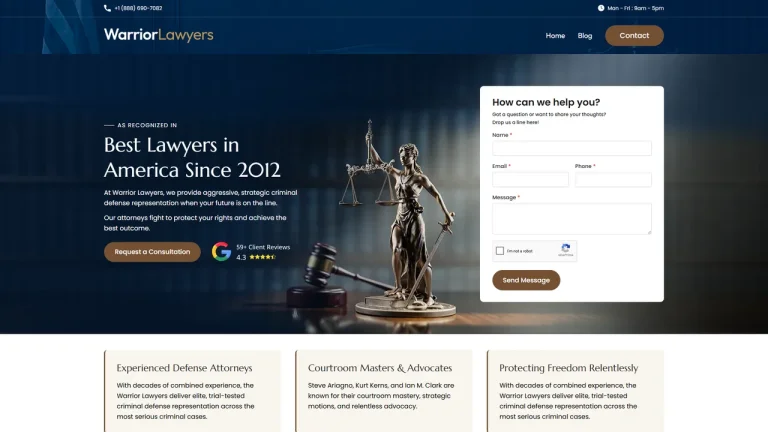
Warrior Lawyers - Wichita, KS

Law Office of Heath A. Stuart, Chartered - Olathe, KS

The Mozingo Law Firm, LLC - Olathe, KS
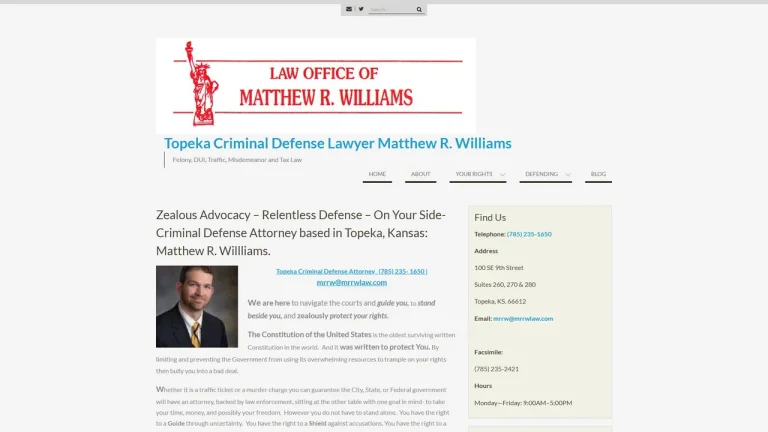
The Law Office of Matthew R Williams - Topeka, KS

Landon Law, LLC - Olathe, KS
Collin P. Huerter Attorney at Law - Overland Park, KS

Manning & Smith - Olathe, KS
Abogados Parker and Parker, P.A. - Kansas City, KS

Hulnick, Stang, Gering & Leavitt, P.A. - Wichita, KS

The Law Office of Patrick Lewis, LLC - Olathe, KS

James R. Pratt Attorney - Wichita, KS
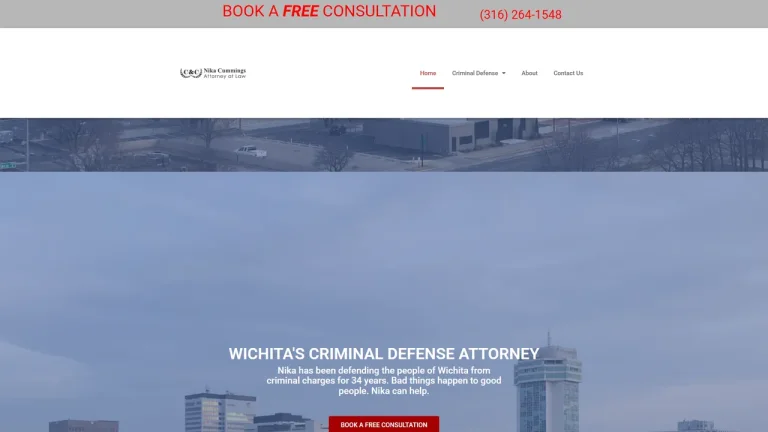
Nika Cummings, Attorney at Law - Wichita, KS
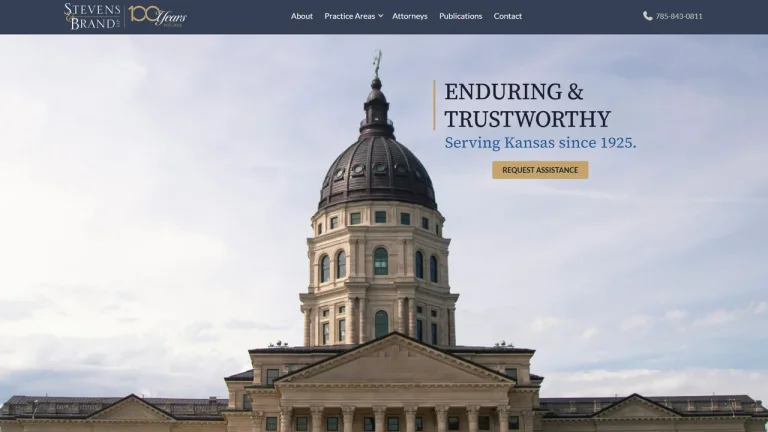
Stevens and Brand LLP Topeka, KS

Beall & Mitchell LLC - Wichita, KS
Kitchin Law Firm - Overland Park, KS
Law Office of Zane Todd - Olathe, KS

Law Office of Sarah F. Hill, LLC - Olathe, KS

Henderson Legal Defense, LLC - Overland Park, KS

Cook Law Office - Topeka, KS
Stolte Law, LLC - Overland Park, KS
Roth Davies LLC - Overland Park, KS
The Law Offices of Tel Parrett - Olathe, KS
Kansas Controlled Substances Defense and Trial Court Jurisdiction
Drug offenses in Kansas are prosecuted under the Kansas Uniform Controlled Substances Act, codified in Chapter 21, Article 57 of the Kansas Statutes Annotated (K.S.A. § 21-5701 through K.S.A. § 21-5717). The statutory framework differentiates between simple possession of controlled substances, possession with intent to distribute, manufacturing, and distribution within protected school zones. Penalties are determined by the Kansas Drug Sentencing Grid under K.S.A. § 21-6805, which categorizes drug felonies from Severity Level 1 down to Severity Level 5.
Drug prosecutions originate in Kansas District Courts across thirty-one judicial districts. Urban jurisdictions-such as the 18th Judicial District in Sedgwick County (Wichita), the 10th Judicial District in Johnson County (Olathe), the 29th Judicial District in Wyandotte County (Kansas City), and the 7th Judicial District in Douglas County (Lawrence)-maintain dedicated criminal divisions and specialized drug dockets. County and District Attorneys, working with local police and the Kansas Bureau of Investigation (KBI), aggressively pursue both misdemeanor and felony drug charges.
Engaging a skilled Kansas drug crime defense attorney early in the proceedings is vital. Legal counsel reviews search warrant affidavits, scrutinizes traffic stops along transit corridors such as Interstate 70 and Interstate 35, and evaluates whether law enforcement violated Fourth Amendment protections against unreasonable searches and seizures. Experienced attorneys also evaluate eligibility for statutory diversion programs or certified substance abuse treatment under Senate Bill 123.
Legal Fee Structures for Kansas Drug Crime Defense
| Case Scenario | Fee Structure | Estimated Cost (USD) | Key Cost Determinants |
|---|---|---|---|
| Misdemeanor Possession Defense (Marijuana / Paraphernalia) | Fixed Flat Fee | $1,500 - $3,500 | Municipal or district court filing, diversion negotiation, absence of prior criminal history |
| Felony Possession & SB 123 Treatment Diversion | Flat Fee / Stage Retainer | $3,500 - $7,500 | Severity Level 5 drug felony, LSI-R assessment, negotiating alternative community treatment |
| Distribution, Cultivation, or Manufacturing (Levels 1-3) | Retainer + Hourly Rate | $8,000 - $25,000+ | Weight threshold challenges, conspiracy charges, confidential informants, mandatory prison exposure |
| Search Warrant Suppression & Evidentiary Motions | Hourly Litigation Retainer | $4,000 - $10,000 | Fourth Amendment litigation, canine sniff validity, challenging search warrants in District Court |
Critical Legal Deadlines & Statutes in Kansas
Criminal drug proceedings in Kansas are governed by strict constitutional and statutory timeframes. When an individual is arrested and charged with a felony drug crime, K.S.A. § 22-2902 mandates that a preliminary examination must be conducted within fourteen days after the initial appearance if the defendant is held in custody, or within twenty-one days if released on bond, unless continuances are granted for cause. The preliminary hearing is a critical evidentiary juncture where the state must establish probable cause that a felony was committed.
Under the Kansas speedy trial statute, K.S.A. § 22-3402, a defendant held in jail on criminal charges must be brought to trial within 150 days of arraignment, or within 180 days if released on an appearance bond. Substantive charges carry varying penalties based on classification: under K.S.A. § 21-5706, possession of controlled substances such as methamphetamine, cocaine, or fentanyl is classified as a Severity Level 5 drug felony. However, nonviolent possession offenders may qualify for mandatory community treatment under Senate Bill 123 codified at K.S.A. § 21-6824, allowing defendants to avoid prison sentences through completion of structured clinical treatment.
Small Claims Limits vs. Professional Legal Representation in Kansas
Kansas Small Claims Courts, established under K.S.A. § 61-2701 et seq., possess a maximum jurisdictional monetary ceiling of $4,000 under K.S.A. § 61-2703. Small claims courts have zero legal authority to hear criminal citations, misdemeanor charges, or felony drug indictments. Attempting to handle criminal charges without legal counsel or misunderstanding court procedure creates severe exposure to statutory imprisonment and lasting criminal records.
Felony drug charges must be defended in the Kansas District Courts, where rules of evidence and formal criminal procedure are rigorously applied. Defense counsel is essential for filing formal motions to suppress evidence seized during warrantless traffic stops under K.S.A. § 22-3216, challenging forensic laboratory testing reports issued by the Kansas Bureau of Investigation, and presenting mitigating factors under the Kansas Sentencing Guidelines Act. Experienced representation ensures constitutional rights are asserted and statutory alternatives to incarceration are pursued.
Red Flags When Hiring a Kansas Drug Crime Defense Lawyer
- Attorneys guaranteeing that your felony charges will be dismissed or guaranteeing probation before reviewing police bodycam footage and KBI chemical lab analysis.
- Lawyers who encourage accepting a guilty plea at the initial appearance without conducting independent discovery or evaluating Fourth Amendment search issues.
- Practitioners unfamiliar with the Kansas Drug Sentencing Grid under K.S.A. § 21-6805 or who fail to evaluate eligibility for alternative sentencing under K.S.A. § 21-6824 (Senate Bill 123).
- Defense counsel quoting an unusually low flat fee that fails to cover preliminary hearings, suppression motions, or trial preparation in District Court.
Frequently Asked Questions
What is the Kansas Drug Sentencing Grid?
The Kansas Drug Sentencing Grid, codified at K.S.A. § 21-6805, is a matrix used by judges to determine felony drug sentences. The grid cross-references the severity level of the offense (Levels 1 to 5) with the defendant criminal history score to determine whether the presumptive sentence is prison or probation.
What is Senate Bill 123 (SB 123) treatment in Kansas?
Codified at K.S.A. § 21-6824, Senate Bill 123 provides mandatory non-prison community-based substance abuse treatment for qualifying nonviolent offenders convicted of Severity Level 5 drug possession offenses, allowing individuals to receive clinical rehabilitation rather than prison time.
How does Kansas penalize the possession of controlled substances like methamphetamine?
Under K.S.A. § 21-5706, unlawful possession of opiates, methamphetamine, cocaine, fentanyl, or their analogs is a Severity Level 5 drug felony, carrying statutory penalties of up to forty-two months of imprisonment depending on criminal history.
Can police search my vehicle without a warrant in Kansas?
Under the Fourth Amendment and the Kansas Constitution, police cannot search a vehicle without a warrant unless an established exception applies, such as voluntary consent, probable cause indicating evidence of a crime is inside, incident to an arrest, or an authorized inventory search.
What is the purpose of a preliminary hearing in a Kansas drug case?
Under K.S.A. § 22-2902, a preliminary examination is held to determine whether probable cause exists to believe a felony was committed and that the defendant committed it. If the state fails to meet this burden, the District Court must dismiss the charge.